- 1Movie Overview
- 2Direction & Cinematography
- 3Cast & Performances
- 4Character Psychology
- 5Themes & Emotional Depth
- 6Memorable Scenes & Dialogue
- 7The Ending — Does It Deliver?
- 8What Works
- 9Honest Criticism
- 10How It Compares
- 11Legacy & Cultural Impact
- 12Behind the Scenes
- 13Who Should Watch It?
- 14Final Verdict
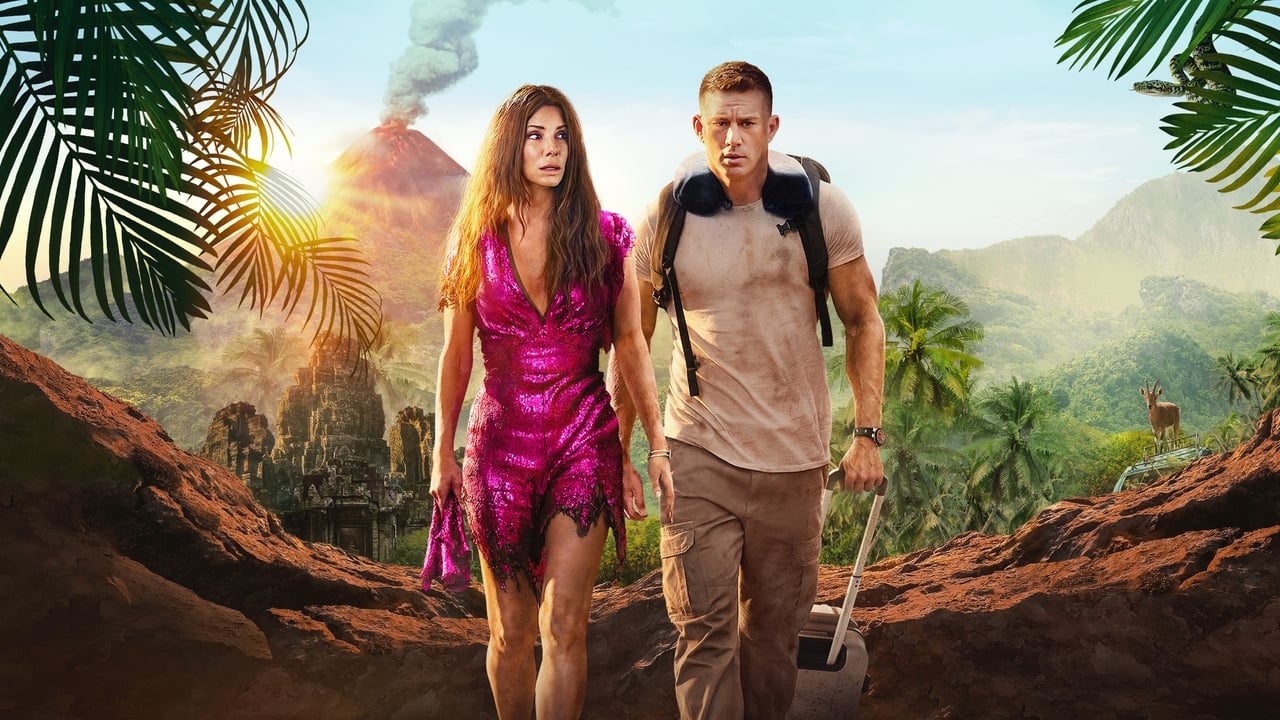
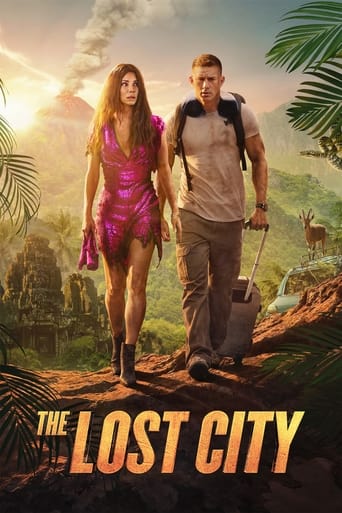
Movie Overview
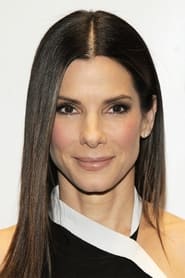
The Lost City kicks off with Loretta Sage (Sandra Bullock), a reclusive author currently on a book tour. She is largely uninterested in the spotlight and feels like a fraud compared to her adventurous literary characters. But when she's kidnapped by an eccentric billionaire, Fairfax (Daniel Radcliffe), who believes she can lead him to treasure from her latest novel, Loretta finds herself in a real-life adventure.
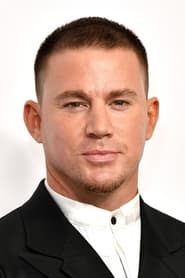
Her cover model, Alan (Channing Tatum), ever the charming but somewhat dim-witted heartthrob, feels the sudden urge to rescue her. He sets off into the jungle, determined to prove he’s more than just a pretty face. The crux of the conflict lies in Alan's attempts to be a hero while Loretta struggles with her own identity as an adventurer.
What surprised me most was the emotional depth woven through the film. As Loretta finds herself confronting her fears and insecurities, Alan grapples with the weight of his own inadequacies. Their banter is sharp and funny, but it touches on deeper themes about self-worth and bravery. This blend of action, comedy, and emotional growth shapes the story significantly.
In the film's final act, Loretta and Alan must unite their strengths to escape Fairfax's clutches. Their journey is filled with wild twists, and just when you think it's telegraphed, the unpredictable nature of their relationship keeps you engaged. The adventure culminates in a thrilling and somewhat satisfying climax without feeling overly predictable.
Direction & Cinematography
Aaron Nee directs The Lost City with a blend of lightheartedness and slick action. One notable shot occurs during a jungle chase where the camera follows Alan as he navigates through dense foliage, capturing both the chaos and the humor of his clumsiness. This moment showcases how the direction balances the film's comedic undertones with an adventurous spirit.
The pacing is notably brisk, with quick cuts and snappy dialogue that keeps the energy high. It's a decision that works well, making the 112-minute runtime feel less daunting. But I kept waiting for a moment of quiet introspection that never quite landed, especially when the action sequences piled on.
What struck me was how Nee blends humor with action without losing character focus. The film maintains a playful tone throughout, which makes the lighter moments feel genuine rather than forced. The direction enhances the chemistry between Bullock and Tatum, making their banter feel effortless.
Cast & Performances
Sandra Bullock's Loretta Sage is both relatable and strong. In a memorable scene early on, she delivers a tongue-in-cheek monologue about the inaccuracies of romance novels, showcasing her comedic timing. Bullock's ability to balance vulnerability with confidence is impressive, drawing you into her character's struggles. Yet, I wasn't expecting her to be so self-deprecating, which sometimes feels uneven against the film's otherwise upbeat tone.
Channing Tatum's Alan is, at times, the embodiment of comic relief. His physical comedy shines, particularly when he attempts to impress Loretta during their escapades. In one standout moment, he awkwardly tries to flirt while dangling from a vine, which is both charming and ridiculous. However, I did notice that while his performance is endearing, there are times when his character feels more like a caricature than a fully fleshed-out individual.
Daniel Radcliffe's Fairfax brings a quirky energy to the role of the villain. In scenes where he interacts with his henchmen, there's a playful flair that makes him entertaining to watch. What stayed with me after the credits was his commitment to a role that could easily have been one-dimensional. Yet, at times, his character feels slightly underdeveloped compared to the leads, which is an odd choice given the film’s focus on character growth.
Character Psychology
On the surface, Loretta seeks to escape her mundane life and embrace adventure, but she truly needs to rediscover her own confidence. Throughout the movie, she wrestles with her self-image as a writer and as a woman, ultimately revealing layers of her character. Her journey forces her to confront her fears, which she does gradually.
Alan, on the other hand, wants to prove his worth as a hero. He is charming but lacks self-awareness initially, relying on Loretta to push him toward growth. By the film's end, Alan experiences moments of self-discovery, though it sometimes feels more like a conclusion rather than a clear transformation.
Themes & Emotional Depth
The Lost City is fundamentally about finding your strength in unfamiliar situations. Loretta’s eventual acceptance of her adventurous side speaks to the idea that we can surprise ourselves when faced with adversity. This theme resonates strongly during her struggle with Fairfax, where her knowledge and creativity become her most powerful tools.
Another theme is the duality of appearances versus reality. Alan’s character embodies this struggle; while he appears to be the classic 'dumb hero', he finds inner strength when he embraces his vulnerabilities. The film cleverly invites viewers to question their preconceived notions of heroism and success. This connection hits home when Loretta finally acknowledges her worth as an author beyond the pages of her own fantasies.
Memorable Scenes & Dialogue
One standout moment occurs during a comedic scene where Alan fumbles while trying to navigate a makeshift campfire. His exaggerated expressions and physical comedy make it both humorous and relatable. This moment captures the spirit of the film well, balancing action with lightheartedness.
Another memorable scene happens when Loretta confronts Fairfax at gunpoint, using her knowledge of both the fictional treasure and her own bravery to outsmart him. The writing is sharp here, making Loretta's transformation feel earned. The interplay between tension and humor works seamlessly, showcasing her growth.
The Ending — Does It Deliver?
The climax feels well-earned, as both Loretta and Alan have gone through substantial growth leading to their final confrontation with Fairfax. The stakes are appropriately high, and the action sequences are thrilling without overshadowing the emotional resolution. What surprised me was the depth of their partnership, which became the true treasure of the film.
The final shot, featuring Loretta and Alan in the aftermath of their adventure, left me with a sense of satisfaction. It effectively wraps up their journeys, reinforcing the idea that adventure and self-discovery go hand in hand. Though it doesn’t revolutionize the genre, the conclusion is solid enough to resonate.
What Works
What works in The Lost City is the chemistry between Bullock and Tatum, especially during moments like their banter while escaping Fairfax's clutches. The film's comedic timing shines through in scenes where Alan tries to impress Loretta, showcasing Tatum's physical comedy. Furthermore, the pacing of the adventure keeps you engaged, making the lighthearted tone enjoyable throughout the runtime.
Honest Criticism
It bothered me slightly that the character of Fairfax feels underdeveloped compared to the leads, despite being a central figure. His motivations come off as one-dimensional, which detracts from the tension in pivotal scenes. Additionally, the film relies on some predictable tropes, particularly in action sequences, that lessen the impact when they appear.
How It Compares
The Lost City shares similarities with films like Romancing the Stone and Jumanji: Welcome to the Jungle, both of which blend adventure and comedy. Where The Lost City shines is in its chemistry between Bullock and Tatum, which often feels more genuine than the ensemble cast in Jumanji. However, it falls short when looking at the bite of the humor in Romancing the Stone, which had a sharper edge and stronger character development.
In terms of action and adventure, The Lost City succeeds in its vibrant landscapes and playful scenarios. Yet, its reliance on cliché tropes sometimes detracts from the freshness seen in similar films.
Legacy & Cultural Impact
The Lost City has not garnered any major awards since its release, yet its box office results suggest a favorable reception, grossing over $190 million worldwide against a $68 million budget. Its mix of comedy and adventure has reignited interest in the genre and created dialogues around the balance of humor in action films.
With a talented cast led by Bullock and Tatum, it positions itself as a modern take on a classic quest narrative, appealing particularly to audiences looking for feel-good entertainment. This film joins a lineage of adventure comedies that remind audiences of the escapism offered by the genre.
Behind the Scenes
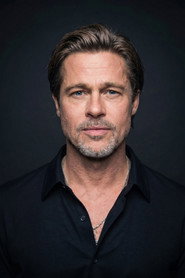
The casting of Channing Tatum was initially a surprise, as he came on board after a previous actor dropped out just weeks before filming began. Brad Pitt’s cameo as a skilled rescue expert was kept under wraps during promotions, adding a delightful shock to audiences upon viewing. Additionally, much of the jungle scenery was filmed on location in the Dominican Republic, which adds to the film's sense of authenticity and adventure.
Who Should Watch It?
Audiences looking for a light-hearted adventure comedy will enjoy The Lost City, especially fans of Sandra Bullock's witty charm and Channing Tatum's comedic flair. However, viewers seeking a deeper, more serious narrative or innovative storytelling might want to skip this one.
Final Verdict
The Lost City is a fun, escapist adventure that doesn't take itself too seriously, which is both a strength and a limitation. The vibrant chemistry between Bullock and Tatum elevates the film, making it more enjoyable than its cliché moments would suggest. If you're in the mood for a laugh and some light action, it's definitely worth a watch.
More details, ratings, and cast information on IMDb, TMDB, Wikipedia. YouTube