- 1Movie Overview
- 2Direction & Cinematography
- 3Cast & Performances
- 4Character Psychology
- 5Themes & Emotional Depth
- 6Memorable Scenes & Dialogue
- 7The Ending — Does It Deliver?
- 8What Works
- 9Honest Criticism
- 10How It Compares
- 11Legacy & Cultural Impact
- 12Behind the Scenes
- 13Who Should Watch It?
- 14Final Verdict
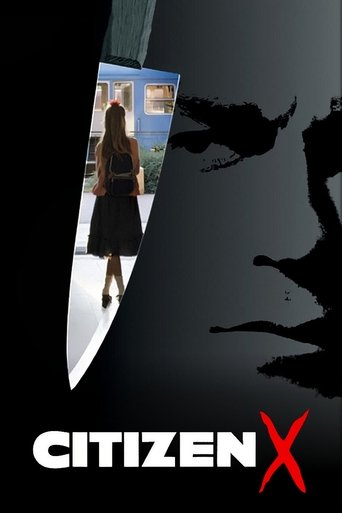
- Genre: Crime, Drama
- Director: Chris Gerolmo
- Year: 1995
- Runtime: 1h 45m
- Language: English (EN)
- TMDB Rating: ⭐ 7.2/10
Movie Overview
Set in 1980s Soviet Russia, Citizen X follows forensic psychiatrist Viktor Burakov (Stephen Rea) as he investigates a string of gruesome murders. The killer, targeting young victims, leaves behind chillingly precise evidence. But Burakov's hands are tied by a system more concerned with appearances than justice. He faces bureaucratic indifference, political cover-ups, and a lack of resources — even as the body count rises. What starts as a straightforward investigation becomes a battle against the entire Soviet machine. The final act hinges on whether Burakov can outmaneuver the system he's fighting.
Direction & Cinematography
Chris Gerolmo’s direction captures the oppressive atmosphere of Soviet Russia with precision. One scene stands out: Burakov sits alone in a dimly lit room, surrounded by case files, while the camera slowly zooms in on his exhausted face. It’s a quiet moment, but it tells you everything about the weight of his task. The pacing is deliberate, almost methodical, reflecting the slow grind of bureaucracy. What struck me was how Gerolmo balances the procedural details with the human cost. The tone is bleak but never gratuitous — it feels like a system designed to suffocate hope.
Cast & Performances
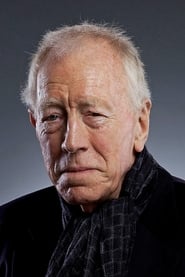
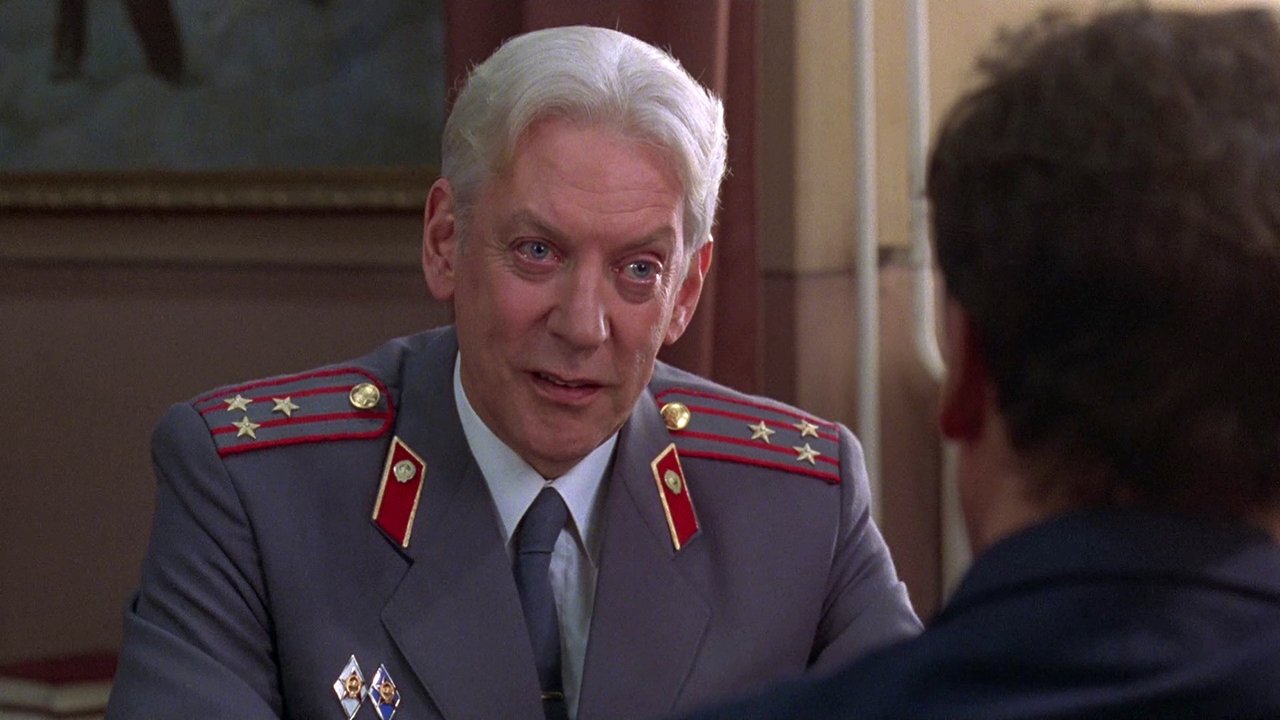
Stephen Rea’s performance as Burakov is understated but effective. Watch for the scene where he silently examines a victim’s body — his face conveys both professionalism and deep sorrow. Donald Sutherland, as a higher-up investigator, plays it cool and calculating, though his character feels slightly underused. Max von Sydow, as Burakov’s weary mentor, delivers a standout moment in a late-night conversation where he warns Burakov about the system’s indifference. It’s a scene that lingers.
Character Psychology
Burakov wants to catch the killer, but what he really needs is to believe justice is still possible. The Soviet system tests that belief at every turn. He’s not naive — he knows the odds — but he persists anyway. By the end, he’s both hardened and strangely hopeful. The system doesn’t change, but he does.
Themes & Emotional Depth
Citizen X isn’t just a serial killer story — it’s about the cost of fighting for justice in a broken system. A key scene involves Burakov arguing with a bureaucrat who insists the murders are ‘just hooliganism.’ The film exposes how ideology can distort reality, even at the cost of lives. It’s a chilling reminder of how systems fail people.
Memorable Scenes & Dialogue
The opening scene sets the tone: a young boy discovers a body in the snow, and the camera lingers on his frozen, horrified face. Another standout moment is Burakov’s confrontation with the killer — the tension is palpable, but the scene avoids melodrama. Finally, the final shot of Burakov walking away, exhausted but resolute, leaves a lasting impression.
The Ending — Does It Deliver?
The ending feels earned — it’s a culmination of Burakov’s persistence and the system’s inefficiency. I’ll admit I didn’t expect the killer’s capture to feel so subdued, but it fits the film’s tone. The final scene leaves you with a mix of relief and unease. Justice is served, but the system remains unchanged.
What Works
Stephen Rea’s restrained performance anchors the film, giving it emotional weight. The direction captures the suffocating atmosphere of Soviet bureaucracy without overselling it. The final confrontation with the killer is tense but avoids sensationalism. And the film’s critique of systemic failure feels just as relevant today.
Honest Criticism
Some of the supporting characters, like Donald Sutherland’s investigator, feel underdeveloped. The pacing, while intentional, might feel too slow for viewers expecting a more action-packed thriller. And the killer’s motivations are left somewhat unexplored — though that might be the point.
How It Compares
Citizen X shares DNA with Zodiac and Memories of Murder, but it’s more grounded in its bureaucratic critique. Where Zodiac leans into obsession, Citizen X focuses on systemic failure. It’s less stylized than Memories of Murder, but it makes up for it with a sharper political edge. If you like true crime with a social commentary twist, this is for you.
Legacy & Cultural Impact
Citizen X won Emmy Awards for Best Writing and Directing in 1996, cementing its reputation as a standout TV movie. It’s also credited with bringing Stephen Rea to wider attention in the U.S. Today, it’s remembered as a gripping true crime story that doubles as a critique of Soviet bureaucracy.
Behind the Scenes
The film is based on Robert Cullen’s book The Killer Department, which chronicled the real-life investigation. Stephen Rea was initially hesitant to take the role but was persuaded by the script’s authenticity. The outdoor scenes were filmed in Hungary, chosen for its Soviet-era architecture.
Who Should Watch It?
True crime fans will appreciate the meticulous attention to detail. History buffs will find the Soviet backdrop fascinating. But those looking for a fast-paced thriller might find it too slow.
Final Verdict
Citizen X is a gripping true crime story that doubles as a sharp critique of bureaucracy. Its pacing might not be for everyone, but its themes and performances make it worth watching. If you’re looking for a film that stays with you long after the credits roll, give this one a shot.
More details, ratings, and cast information on IMDb, TMDB, Wikipedia. YouTube