- 1Movie Overview
- 2Direction & Cinematography
- 3Cast & Performances
- 4Character Psychology
- 5Themes & Emotional Depth
- 6Memorable Scenes & Dialogue
- 7The Ending — Does It Deliver?
- 8What Works
- 9Honest Criticism
- 10How It Compares
- 11Legacy & Cultural Impact
- 12Behind the Scenes
- 13Who Should Watch It?
- 14Final Verdict
Movie Overview
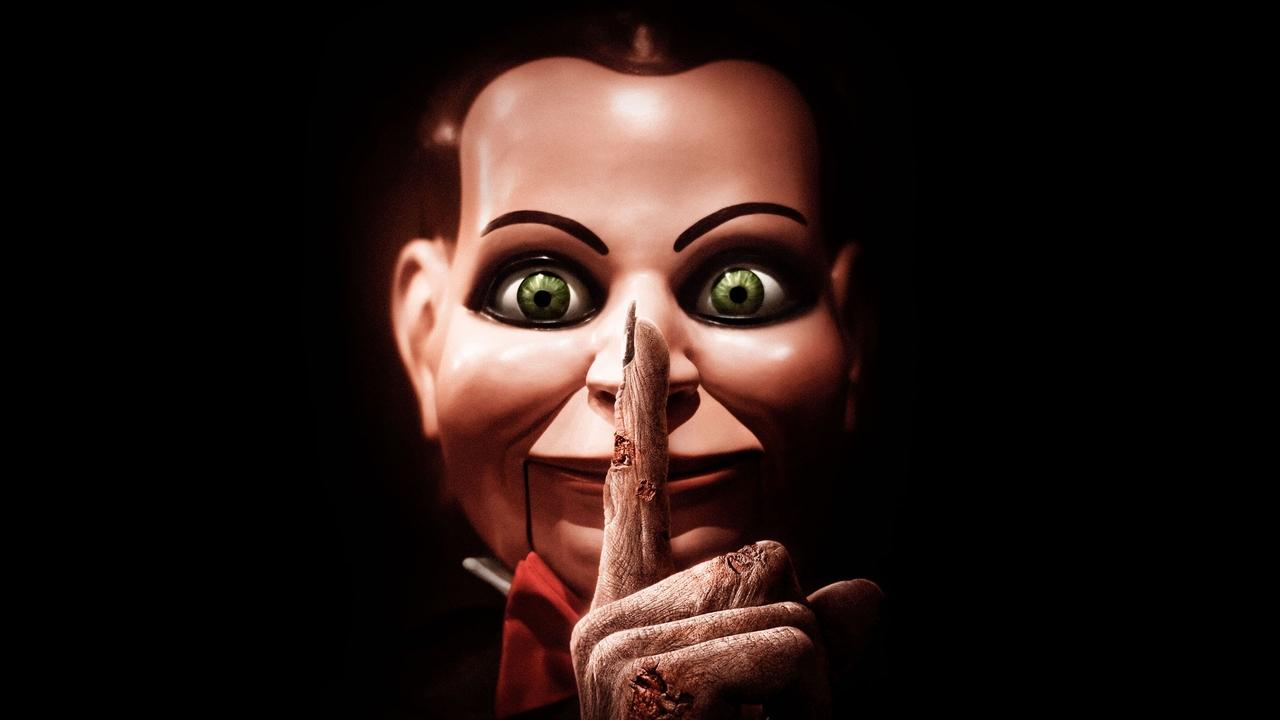
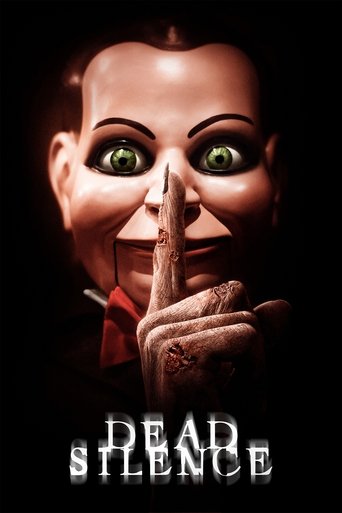
Dead Silence hooks you right from the eerie opening scene, where we see Mary Shaw, a ventriloquist, performing before an audience. As the curtain falls, it’s clear that the townsfolk in Raven's Fair harbor dark secrets about her tragic story. Years later, Jamie Ashen, played by Ryan Kwanten, returns to his hometown after the mysterious death of his wife, who received a ventriloquist dummy named Billy just before her demise. The plot thickens as Jamie learns that the dummy might be tied to the legend of Mary Shaw, setting him on a chilling path to uncover the truth.
As Jamie digs deeper into his wife’s death, we see the emotional toll it takes on him. His quest leads him to confront the town’s dark history and the disturbing legacy of Mary Shaw, whose wrath is said to haunt anyone who dares to speak. The conflict escalates, with Jamie facing both supernatural horrors and the grim realities of his past. I kept waiting for a deeper connection between Jamie and his wife's motivations, but that never fully developed, which left me wanting more.
On the surface, the film is a typical haunted doll story, but it reveals layers of psychological horror as Jamie struggles against unseen forces. As he encounters various townsfolk who offer fragmented clues about Mary Shaw, the tension builds, pulling viewers into a narrative that's as much about grief and guilt as it is about supernatural terror. By the time Jamie confronts his fears, the stakes have transformed into a battle for survival, forcing him to confront not just the ghost of Mary Shaw but also his own demons.
The climax brings the mystery to a head, leading to a chilling revelation about Mary Shaw and the consequences of her pain. What stayed with me after the credits was the unsettling reminder that some legends are born from real tragedy, and sometimes, seeking the truth might come at a steep cost. Yet, I felt the final moments lacked the emotional punch I was hoping for, leaving me with a sense of unresolved tension rather than closure.
Direction & Cinematography
James Wan, known for shaping the horror genre, brings a unique visual style to Dead Silence. The opening scenes, particularly the shot of the stage with Mary Shaw's haunting performance, create a surreal atmosphere that instantly immerses viewers in the film's eerie tone. Wan's use of lighting, especially the dimly lit interiors of Jamie’s childhood home, enhances the feeling of dread, reminding us that the past can be just as frightening as the present.
Pacing is generally steady, but I noticed occasional lulls that disrupt the flow. The middle act drags slightly as we delve into Jamie's investigation, with some dialogue-heavy scenes that felt stretched. But this allows for moments of genuine creepiness to set in, like when Jamie stumbles onto a crypt filled with unsettling artifacts related to Mary Shaw. Those moments made me appreciate Wan's decision to balance tension-building with narrative progression.
What struck me most was the film's tonal shifts — we oscillate between intense horror scenes and quieter, reflective moments. The juxtaposition sometimes feels clunky, such as the abrupt transitions from genuine scares to campy dialogue. Yet, it's this unpredictability that keeps viewers engaged, even if it's not as coherent as I'd like. The atmosphere Wan creates is compelling, though it can occasionally veer too far into cliché territory, especially with the jump scares.
Cast & Performances
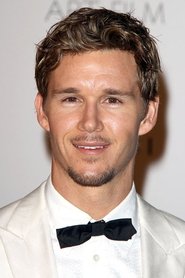
Ryan Kwanten embodies Jamie Ashen with a palpable sense of vulnerability, but I found his character's emotional arc lacking depth. In one scene, after receiving distressing news about his wife, the subtle twitch of his mouth conveys a complex mix of shock and grief, showcasing Kwanten's ability to communicate without words. However, his character choices sometimes felt reactive rather than proactive, which made his journey less compelling.
Amber Valletta plays Jamie's wife, and although her role is brief, she leaves an impression with her chilling final moments. The contrast between her warm demeanor and the fear that grips her before her death works well to elevate the stakes. But I can't overlook how her character is relegated to a mere plot device, which bothered me slightly. It diminished the emotional weight of Jamie’s quest for answers.
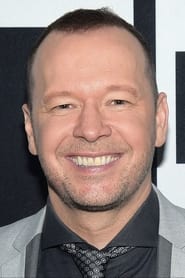
Donnie Wahlberg, as a skeptical detective, injects a bit of intensity into the film with his hard-edged performance. His jaded delivery during tense moments — especially when confronting Jamie about his wife's death — adds urgency to the narrative. His character serves as a foil to Jamie, yet sometimes Wahlberg's over-the-top reactions felt forced, detracting from the film's otherwise haunting atmosphere.
Character Psychology
Jamie Ashen wants to uncover the truth behind his wife's death, driven by grief and a sense of duty. Yet, what he truly needs is to confront his own unresolved feelings about their relationship and the guilt he carries. He seems unaware of how deeply the past affects him, which leads to his downfall as he becomes consumed by his quest.
As the film progresses, Jamie’s journey reveals a man unable to escape the shadows of his past. He learns that to move forward, he has to face not just Mary Shaw, but also the emotional scars left behind by his wife's untimely death. However, he fails to truly change, trapped in his own obsession, which leaves a haunting sense of melancholy.
Themes & Emotional Depth
Dead Silence delves into the concept of loss and the lengths we go to for love, evidenced in Jamie's relentless search for answers. The haunting nature of Mary Shaw serves as a metaphor for unresolved grief, illustrating how past traumas can shape our present and future. Jamie's journey represents a struggle against the ghosts of his past, highlighting that some secrets are better left buried.
Furthermore, the film critiques the dangers of neglecting emotional baggage. As Jamie wrestles with his memories and the malevolent spirit of Mary Shaw, the film questions whether uncovering painful truths can lead to healing or only deeper despair. The moments when he confronts townspeople about their silence on Mary Shaw's story resonate as a reminder of the consequences of ignoring the past.
Memorable Scenes & Dialogue
In one standout scene, Jamie discovers a hidden room in the old theater filled with Mary Shaw's dummies. The moment works due to the eerie lighting and sound design, enhancing the sense of dread as the camera pans slowly across the dolls' faces — each one seemingly watching him. This effective use of staging taps into primal fears of inanimate objects coming to life, creating a chilling atmosphere.
Another powerful moment occurs when Jamie interacts with a local historian who knows more about Mary Shaw than they initially let on. The historian's cryptic dialogue adds layers to the narrative, while the subtleties of their interaction hint at deeper community secrets. This scene effectively builds tension while foreshadowing the darker turns to come, illustrating how the past haunts the present.
Lastly, the film's climax features a shocking revelation about the true nature of Mary Shaw's curse, delivered in a chilling, almost ironic twist. The scene's pacing, coupled with the emotional weight of the reveal, makes it a high point in the film, leaving viewers both shocked and reflective about the consequences of buried secrets.
The Ending — Does It Deliver?
The film's ending, which centers around Jamie's confrontation with Mary Shaw, feels both earned and somewhat predictable. I was surprised at how the narrative circles back to the initial folklore, grounding the supernatural elements in the realities of Jamie's grief. The tension peaks as he faces the consequences of his quest, leading to a moment that carries a bittersweet weight.
That final shot leaves viewers with a lingering chill, emphasizing the cyclical nature of trauma and how it can repeat itself across generations. While it successfully ties back to the film’s themes, it lacks a truly satisfying resolution for Jamie's character arc, which initially felt like it was heading toward a more significant revelation.
What Works
The atmosphere of Dead Silence stands out, particularly in scenes where Jamie confronts the realities of his hometown. The staging within the old theater, with dim lighting and eerie sound design, creates a palpable sense of dread. Additionally, Kwanten's subtle expressions of grief really anchor the film, especially in pivotal moments where he learns more about Mary Shaw’s legacy. The tension building in the climax is skillfully done, leaving viewers on edge right up until the last moment.
Honest Criticism
Unfortunately, the motivations of several side characters lack depth, which detracts from the overall stakes. For example, the town’s reluctance to talk about Mary Shaw feels more like a plot device than an authentic response to loss. I was hoping for more exploration of their fears and experiences, but instead, they often come across as archetypes. This underdevelopment makes parts of the narrative feel predictable and less engaging, especially when compared to the emotional weight the film could have carried.
How It Compares
Dead Silence can be compared to other horror films like The Conjuring and Annabelle, both directed by James Wan. While Dead Silence plays with the concept of haunted objects, it doesn't delve as deeply into character psychology as those later films do. The eerie creatures in Dead Silence may shock, but Wan's later works balance terror with emotional depth and character development, giving them a stronger narrative foundation.
However, where Dead Silence succeeds is in its atmospheric tension and visual style, which can sometimes outweigh its less coherent storytelling. It offers a distinct vibe that sets it apart from the more formulaic approaches of many horror flicks in the years that followed, allowing it to carve out its niche in the genre's landscape.
Legacy & Cultural Impact
Although Dead Silence received mixed reviews upon release, it has garnered a cult following over the years, particularly for its unique premise and Wan's atmospheric direction. The film grossed approximately $22 million against a budget of $20 million, indicating a modest return. Critics have noted its influence on the horror genre, particularly in regard to its blend of folklore and terror, which paved the way for future stories centered around haunted objects and the supernatural.
In a broader context, the film contributed to the discussion on grief and trauma in horror, establishing a theme that resonated with audiences well beyond its release. Its blend of mystery and horror remains relevant, especially as filmmakers continue to explore similar narratives.
Behind the Scenes
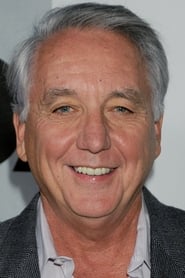
One interesting fact is that the character of Mary Shaw was originally inspired by a childhood fear experienced by James Wan, who grew up with a ventriloquist doll. Additionally, the film's script underwent several rewrites before filming began, which altered the backstory of Mary Shaw significantly. The film also features a cameo by actor Bob Gunton, who originally auditioned for a different role but was ultimately cast as the town's creepy historian.
Who Should Watch It?
Fans of classic horror films that focus on supernatural folklore will likely appreciate Dead Silence for its blend of suspense and mystery. However, viewers looking for deep character development or a tightly woven plot may want to skip it. The film's strengths lie more in atmosphere than in its storytelling, which might leave some audience members feeling disconnected.
Final Verdict
Dead Silence is a visually striking horror film that offers a unique take on the haunted object trope. While it suffers from some character inconsistencies and predictable plot points, the atmosphere and Wan's direction make it worth a watch for horror enthusiasts. If you're intrigued by the psychological aspects of terror and haunted folklore, this film will deliver chills, though it may not leave you entirely satisfied by its narrative.
More details, ratings, and cast information on IMDb, TMDB, Wikipedia. YouTube