- 1Movie Overview
- 2Direction & Cinematography
- 3Cast & Performances
- 4Character Psychology
- 5Themes & Emotional Depth
- 6Memorable Scenes & Dialogue
- 7The Ending — Does It Deliver?
- 8What Works
- 9Honest Criticism
- 10How It Compares
- 11Legacy & Cultural Impact
- 12Behind the Scenes
- 13Who Should Watch It?
- 14Final Verdict
- Genre: Horror, Fantasy, Comedy
- Director: Alex Scharfman
- Year: 2025
- Runtime: 1h 47m
- Language: English (EN)
- TMDB Rating: ⭐ 6.4/10
Movie Overview
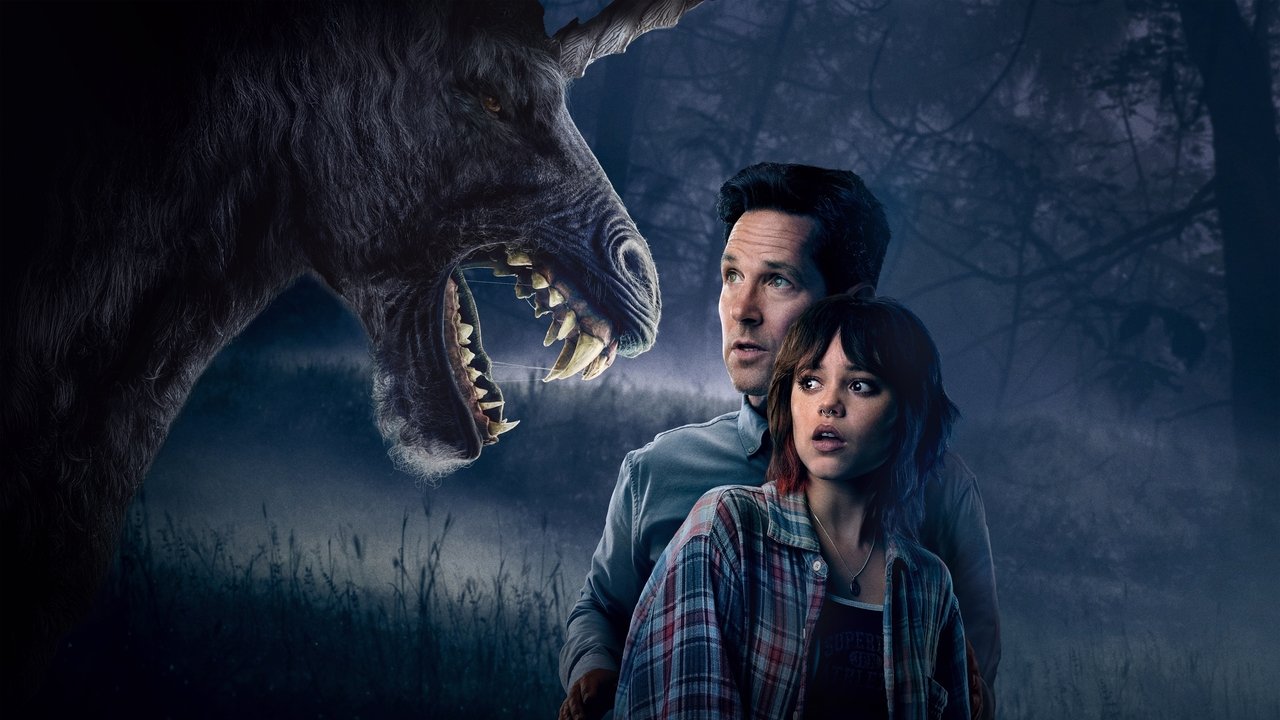
Death of a Unicorn opens on a seemingly normal road trip between a father, played by Paul Rudd, and his teenage daughter, portrayed by Jenna Ortega. Their mundane getaway takes a wild turn when they accidentally crash their car into a unicorn, leading to a series of comedic yet horrific events that spiral out of control. Not only do they face the emotional repercussions of killing a magical creature, but they also find themselves caught in a dangerous plot orchestrated by Rudd's character's billionaire boss, played by Will Poulter, who wants to exploit the unicorn's mythical healing powers.
As the story unfolds, we see the dynamic between father and daughter shift dramatically. At first, they're detached, struggling to connect amid their grief. The journey quickly becomes a mix of horror and absurdity as they must navigate their feelings about loss while simultaneously running from those who wish to harness the unicorn's magic. The film strikes an unusual balance between comedy and horror, often leaning into the absurdity of the situation, which I kept waiting for it to fully explore but it never did.
What surprised me most was how the film tackled more profound themes hidden beneath the fantastical premise. There are moments where Rudd's character is forced to confront his priorities, the consequences of his actions, and the importance of family. The emotional weight builds through clever dialogue and visual cues, particularly in a poignant scene where Rudd and Ortega share a rare moment of sincerity in the aftermath of chaos. It’s a journey of discovery against a backdrop of whimsical horror.
The climax is as bizarre as the premise itself, culminating in a chaotic standoff that leaves the audience questioning the nature of reality and consequences. The film wraps up with an unexpected twist, which I won't spoil, but it left me with a mix of amusement and unease — a reflection of the film's unique take on family and responsibility.
Direction & Cinematography
Alex Scharfman's directorial choices create a distinctive blend of horror, comedy, and fantasy that keeps viewers guessing. The opening scene, a long shot of the empty road, builds a sense of impending doom before the absurdity strikes. Scharfman uses this technique to pull the audience into a surreal mindset, preparing us for the bizarre events that follow. I noticed how he intentionally paced the comedic beats and horror moments to maintain a lighthearted yet tense atmosphere throughout.
But what struck me most was the tonal shifts. The way Scharfman juxtaposes the whimsical nature of a unicorn with the horrors of unforeseen consequences is fascinating. For instance, the transition from the accident scene to the frantic escape builds urgency while still allowing for moments of levity, enhancing the emotional stakes. It's a tricky balance, and while it mostly succeeds, there are moments where the film feels disjointed as it straddles these genres.
As the film progresses, Scharfman incorporates visual humor alongside darker themes, like when the father and daughter create a makeshift plan to save themselves from the billionaire's henchmen. The pacing slows down slightly in the middle, which might frustrate some viewers, but I think it gives the characters room to develop, showing their growth in the face of bizarre circumstances.
Cast & Performances
Paul Rudd delivers a character that's both endearing and flawed. His physicality is particularly noteworthy; during a scene where he's trying to calm his daughter after the accident, you can see the internal conflict as he juggles the absurdity of the situation with his responsibility as a father. I’ll admit I didn’t expect Rudd to tackle this range of emotions in a comedy-horror setting, but he manages to shine.
Jenna Ortega stands out as the daughter grappling with her feelings about the accident and her father’s shortcomings. Her reaction shots are often the heart of the film, especially when she challenges her father about his priorities. At one point, she delivers a poignant line that cuts through the absurdity, reminding him of their shared grief. However, there are moments when her character feels underwritten, especially as the plot thickens.
Will Poulter plays the billionaire boss with a blend of charm and menace that adds a layer of complexity to the film. His exaggerated line delivery during the climax elicited laughs but also showcased a darker, more serious side that hinted at his character's motivations. It bothered me slightly that his character, while entertaining, sometimes felt like a caricature instead of a fully developed antagonist.
Character Psychology
Rudd's character wants to be a caring father while still succeeding professionally, but he's deeply flawed. Throughout the film, it's clear he struggles with balancing these two aspects of his life. He’s not fully aware of how his actions impact others — particularly his daughter. By the end, he needs to confront these flaws head-on, but his journey is more reflective than transformative.
Ortega's character, on the other hand, is more self-aware. She knows her father's shortcomings and feels caught in the crossfire of his mistakes. Her desire for connection and understanding drives her decisions, creating a compelling push and pull dynamic with Rudd. Their relationship evolves, but it remains complex and, at times, unresolved.
Themes & Emotional Depth
At its core, Death of a Unicorn explores the theme of responsibility through the lens of magical realism. The characters face the consequences of their actions, and the film cleverly uses the unicorn as a symbol of the consequences of neglecting familial bonds. One particularly striking moment is when Rudd realizes the depth of his daughter's pain after they hit the unicorn, underscoring the idea that every action has reactions that ripple through their lives.
The film also delves into the absurdity of the human condition. The characters find themselves caught in outrageous situations that mirror the chaos of real life, questioning the lengths one will go to for family. This theme manifests clearly in a scene where the father must choose between saving his daughter or the unicorn, adding layers to the narrative that extend beyond the comedy and horror elements.
Memorable Scenes & Dialogue
One of the standout scenes is when Rudd and Ortega first discover the dying unicorn in the forest. The way the camera captures their expressions, shifting from horror to disbelief, sets the tone for the entire film. The staging here works well, as it pairs the beauty of the unicorn with the tragedy of their situation, making the audience feel the weight of their actions.
Another memorable moment occurs during the climax when Poulter’s character reveals his true intentions. The tension builds through clever dialogue and physical comedy, particularly when Rudd tries to defuse the situation with humor but ultimately spirals into chaos. The timing here is perfect, showcasing how the film straddles between comedy and horror without losing its grip on emotional stakes.
The Ending — Does It Deliver?
The ending manages to tie together the various narrative threads in a satisfying, if somewhat chaotic, conclusion. It doesn’t shy away from the repercussions of the characters' actions, surprising me with its willingness to embrace the darker elements of its story. The final shot, showing Rudd and Ortega amidst the fallout of their choices, evokes a sense of bittersweet resolution that lingers after the credits roll.
While I wasn't expecting such a heavy conclusion, it felt earned and reflective of the complex themes the film explores. The mixture of emotional weight and absurdity left me with questions about family ties and consequences, a fitting end to a journey that oscillates between the heartfelt and the ridiculous.
What Works
The film excels in its ability to balance the absurd with genuine emotion. Rudd’s physicality shines during key scenes, particularly when he’s navigating crises with humor. The unicorn design is visually striking, effectively blending practical effects with CGI, making it feel tangible within the chaotic narrative. Moreover, the father-daughter relationship evolves in a way that feels real amidst the backdrop of fantasy, particularly during their heart-to-heart moments that ground the bizarre premise.
Honest Criticism
However, the film struggles with character depth, particularly with Poulter’s antagonist. His motivations feel underdeveloped, making him less threatening and more of a plot device than a compelling figure. There are also moments when the pacing slows significantly, particularly in the middle, where some scenes drag on without adding much to the overall storyline. This uneven rhythm can take viewers out of the experience, leaving them yearning for a tighter script.
How It Compares
Death of a Unicorn shares similarities with films like The Cabin in the Woods and What We Do in the Shadows, both of which blend horror and comedy effectively. However, while those films tend to lean heavily into genre tropes, Scharfman's film takes a more emotional approach, focusing on the father-daughter dynamic amidst the chaos. It falls short in the depth of its antagonist, as Poulter's character feels more like a caricature than a compelling threat, a point where the aforementioned films didn’t falter.
Legacy & Cultural Impact
As a new entry in the horror-comedy genre, Death of a Unicorn has sparked conversations about the boundaries of blending absurdity with emotional depth. Its mixed reception, with a TMDB rating of 6.4/10, reflects a polarized audience, some praising its unique narrative while others find it uneven. Its ability to tackle themes like responsibility and family amidst fantastical elements may influence future creators looking to mesh these genres in new ways.
Behind the Scenes
The unicorn was designed using a mix of practical effects and CGI, giving it a unique look that sets it apart from typical fantasy creatures. Originally, the role of the father was intended for a different actor who had to drop out last minute, leaving Paul Rudd to step in and bring his comedic style to the character. Additionally, a significant portion of the comedic dialogue was improvised during filming, leading to some spontaneous and unexpected moments on screen.
Who Should Watch It?
This film will likely resonate with viewers who appreciate quirky horror comedies and those who enjoy a blend of heart and absurdity. Fans of Paul Rudd and Jenna Ortega's work will find elements to enjoy, even as it navigates darker themes. However, those looking for a straightforward horror film or a tightly plotted narrative may want to skip this one, as its pacing and character development can be uneven.
Final Verdict
Death of a Unicorn is a curious blend of horror and comedy that attempts to explore deeper emotional themes, but it doesn’t quite hit the mark in execution. While the father-daughter relationship brings a refreshing depth to the narrative, the pacing issues and underdeveloped antagonist hold it back. It's worth a watch for those curious about its unique premise, but it may not satisfy everyone looking for a polished narrative.
More details, ratings, and cast information on IMDb, TMDB, Wikipedia. YouTube