- 1Movie Overview
- 2Direction & Cinematography
- 3Cast & Performances
- 4Character Psychology
- 5Themes & Emotional Depth
- 6Memorable Scenes & Dialogue
- 7The Ending — Does It Deliver?
- 8What Works
- 9Honest Criticism
- 10How It Compares
- 11Legacy & Cultural Impact
- 12Behind the Scenes
- 13Who Should Watch It?
- 14Final Verdict
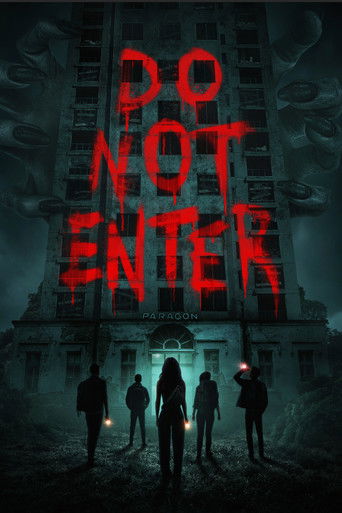
- Genre: Horror
- Director: Marc Klasfeld
- Year: 2026
- Runtime: 1h 31m
- Language: English (EN)
- TMDB Rating: ⭐ 5.6/10
Movie Overview
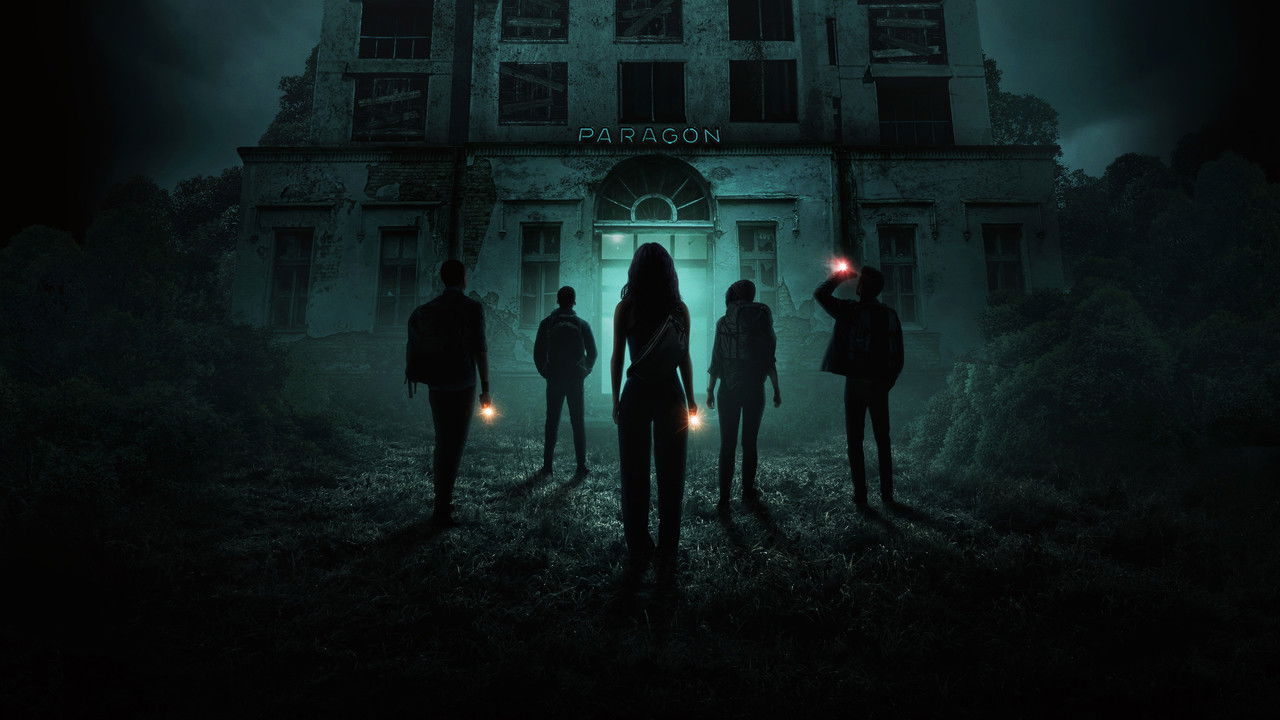
Francesca Reale’s Mia is the de facto leader of a group of amateur urban explorers, armed with cameras and a vague sense of adventure. Her brother, played by Nicholas Hamilton, is along for the ride, while Adeline Rudolph and Jake Manley round out the crew as the obligatory skeptical friend and the muscle, respectively. Their goal is straightforward: document the decaying interior of the long-shuttered, supposedly cursed Crestview Hotel. Personally, I think the setup works well enough for the first fifteen minutes, establishing the group’s dynamic through bickering over maps and flashlight batteries. The trouble starts almost immediately. Their investigation is interrupted by a rival crew, led by Shane Paul McGhie’s more aggressive treasure hunter, who believes the hotel holds a legendary fortune. What surprised me most was how quickly the supernatural threat—a pale, elongated figure that moves through the walls—gets sidelined by this human conflict. The two groups spend the middle act posturing and fighting over clues, which drains a lot of the atmospheric dread the location initially promised. I kept waiting for the film to pick a lane, and it never did. The creature re-emerges in the final third, but by then the narrative feels like it’s running to catch up with itself, forcing characters into dark corners they should have known to avoid an hour earlier.
Direction & Cinematography
Director Marc Klasfeld, known primarily for music videos, brings a slick visual sense to the hotel’s decay. The opening drone shot that glides over the roof and down into a broken skylight is genuinely effective, establishing the scale and isolation of the place. What struck me was his reliance on tight close-ups in the dark, using the edges of the frame for quick, jerky movements that suggest the creature’s presence without fully revealing it. But the pacing becomes a real problem. After a tense initial exploration, the introduction of the rival team brings the film to a narrative standstill. The tone wobbles between serious horror and a kind of juvenile competition, and the direction can’t seem to reconcile the two. I noticed that the scares become repetitive—another figure in a doorway, another sudden noise from an air duct—because the plot isn’t building enough genuine suspense to support them. It’s competent, but it lacks a distinct point of view.
Cast & Performances
Francesca Reale does what she can with Mia, grounding her with a weary practicality that makes her the most believable person on screen. Her best moment is a silent reaction shot after a first, brief glimpse of the entity; her face doesn’t contort in terror, but goes blank with a kind of stunned disbelief. Nicholas Hamilton, as her brother, feels underused. He’s given a generic protective streak and not much else, and his line readings often sound like he’s just reading the script aloud. I’ll admit I didn’t expect much from the rival group, but Shane Paul McGhie brings a needed, smug energy that briefly livens things up. His character is a cliché, but McGhie commits to it, especially in a scene where he mocks Mia’s team for their lack of preparation. Adeline Rudolph and Jake Manley are essentially set dressing, their characters defined by a single trait (skepticism and bravado) that doesn’t evolve.
Character Psychology
On the surface, Mia wants to prove herself, to get a viral documentary out of this dangerous location and maybe mend her strained relationship with her brother. She’s the planner, the one who thinks she’s in control. What she actually needs, though, is to admit that some places—and some histories—are better left alone. The film pays lip service to this idea with a backstory about the hotel’s tragic past, but Mia never really grapples with it. She’s reacting, not learning. Her drive isn’t greed like the rivals; it’s a need for validation that the script mentions but never truly explores. She doesn’t change so much as she just survives, which makes her journey feel incomplete. The creature becomes an obstacle to overcome, not a manifestation of the history she’s disturbing.
Themes & Emotional Depth
At its core, *Do Not Enter* is about the emptiness of exploitation. Both groups are in the hotel to take something from it—footage, treasure, glory—without any respect for the tragedy that occurred there. The creature, then, becomes a kind of wrathful archive, punishing those who see the location as a resource rather than a grave. This is most clear in a scene where the rival hunters actively vandalize a memorial plaque to find a clue, treating sacred grief as a mere puzzle. But the film undermines this theme by having its own heroes also primarily focused on escape and personal gain. It wants to critique greed but can’t fully let its protagonists be complicit in it. The other, weaker thread is about sibling loyalty under pressure, but that gets lost in the monster chase.
Memorable Scenes & Dialogue
The first full reveal of the creature works. It doesn’t jump out; instead, it’s seen standing perfectly still at the end of a third-floor hallway, backlit by a single shaft of dusty light. The choice to hold the shot for several seconds, letting the audience and the characters just *look* at its unnatural proportions, creates a real chill. It’s a patient scare. Another effective moment is a simple dialogue exchange between the two groups when they first meet. Instead of immediate violence, there’s a tense, quiet negotiation over territory. McGhie’s character calmly explains his map while Reale’s Mia watches his eyes, looking for a lie. The craft here is in the stillness and the subtext—two types of ambition sizing each other up in a dead place.
The Ending — Does It Deliver?
The ending wasn’t a surprise, and that’s the issue. After a series of predictable attrition, the final confrontation in the hotel’s flooded basement feels obligatory rather than earned. The creature’s rules and motives remain frustratingly vague, so its actions in the climax seem dictated by plot necessity rather than any internal logic. I wasn’t expecting a twist, but I was hoping for a conclusion that resonated with the themes it half-set up. What stayed with me after the credits was a feeling of shrug-worthy resolution. The final shot, which I won’t spoil, aims for ambiguity but lands on confusion, leaving you wondering what, if anything, the preceding 90 minutes were trying to say about its characters or their ordeal.
What Works
The location is a character in itself, and the production design makes great use of the hospital’s peeling walls and ominous, empty spaces. The creature design is also a high point—it’s a practical effect with a disturbing, silent physicality that’s far scarier than any CGI ghost. The initial setup builds a decent amount of atmospheric tension, and the first act effectively establishes the rules of the exploration. Francesca Reale’s performance provides a necessary anchor of relatability.
Honest Criticism
The competing treasure hunter subplot is a fatal drag on the momentum. It turns a simple, scary premise into a messy conflict that the script isn’t sophisticated enough to handle. The characters outside of Mia are cardboard cutouts, making it hard to care who survives. The film’s internal logic is frustratingly loose, especially regarding the creature’s abilities and limitations, which makes the threats feel arbitrary instead of terrifying. It bothered me slightly that the interesting theme of exploitation is raised and then immediately abandoned for generic chase scenes.
How It Compares
It’s impossible not to think of *The Descent* (team dynamics in a claustrophobic hell) or *Grave Encounters* (creepy abandoned asylum). *Do Not Enter* has a better monster design than many of its low-budget contemporaries—the creature has a tangible, physical presence that’s effectively creepy. Where it falls short is in the group chemistry. The cast of *The Descent* felt like real friends with layered histories; here, the relationships are sketched in shorthand. It also lacks the relentless, paranoid pacing of *Grave Encounters*. This film pauses too often for arguments that don’t deepen the characters or the dread.
Legacy & Cultural Impact
As a 2026 release, *Do Not Enter* arrived with little fanfare and will likely be remembered, if at all, as a middling entry in the crowded ‘abandoned place horror’ subgenre. It didn’t make waves at the box office and holds a middling 5.6/10 on TMDB, which feels about right. Its legacy will be negligible—it didn’t start any conversations or push the genre in a new direction. At best, it might be a film that horror completionists stumble upon on a streaming service late at night. Its most lasting contribution is probably its practical creature suit, which is well-executed for the budget.
Behind the Scenes
The Crestview Hotel is a real location—the former Linda Vista Hospital in Los Angeles, a frequent filming site for horror projects. The creature design was a last-minute change; initial concepts were more ghostly, but the director pushed for a tangible, physical being the actors could react to. Several of the arguments between the two treasure-hunting teams were heavily improvised, which explains why some of that dialogue feels more natural than the scripted horror beats.
Who Should Watch It?
Viewers who simply enjoy B-movie creature features and aren’t bothered by predictable plots or thin characters might find enough here to pass an evening. Hardcore horror fans looking for innovative scares, tight pacing, or meaningful character work will be disappointed and should skip it.
Final Verdict
*Do Not Enter* is a passable but forgettable horror entry. It gets a few things right—the setting and the monster—but stumbles over a cluttered plot and underdeveloped characters. My rating reflects its technical competence weighed against its narrative failures. You won’t be angry you watched it, but you’ll likely forget it by morning. Ultimately, it’s a film that shows promise in moments but lacks the discipline or originality to become anything more than a background watch.
More details, ratings, and cast information on IMDb, TMDB, Wikipedia. YouTube