- 1Movie Overview
- 2Direction & Cinematography
- 3Cast & Performances
- 4Character Psychology
- 5Themes & Emotional Depth
- 6Memorable Scenes & Dialogue
- 7The Ending — Does It Deliver?
- 8What Works
- 9Honest Criticism
- 10How It Compares
- 11Legacy & Cultural Impact
- 12Behind the Scenes
- 13Who Should Watch It?
- 14Final Verdict
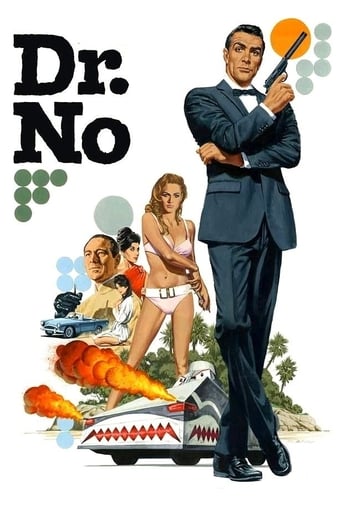
- Genre: Adventure, Action, Thriller
- Director: Terence Young
- Year: 1962
- Runtime: 1h 50m
- Language: English (EN)
- TMDB Rating: ⭐ 7.0/10
Movie Overview
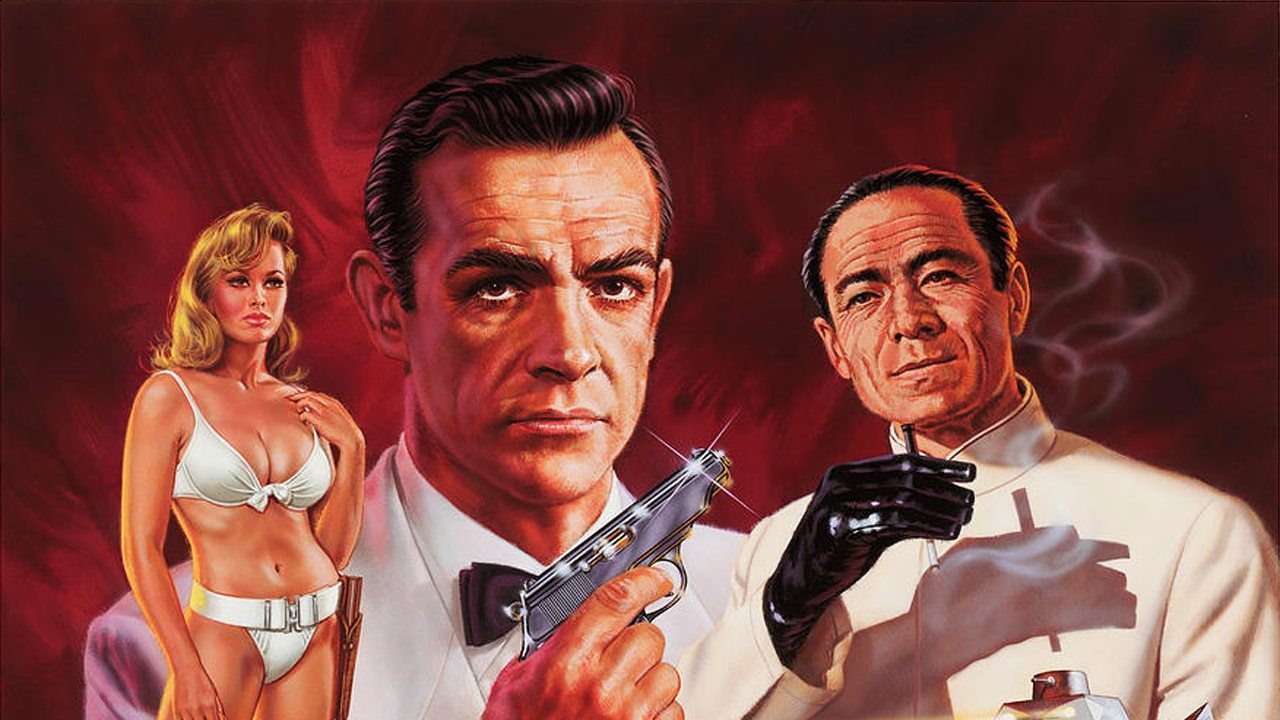
British intelligence sends James Bond to Jamaica after a fellow agent vanishes. What starts as a routine investigation quickly spirals into a confrontation with the mysterious Dr. No, who operates from a fortified island base. Bond's path crosses with shell diver Honey Ryder, whose personal vendetta against Dr. No adds unexpected emotional stakes.
The film moves with remarkable efficiency for a first installment. Within 20 minutes, Bond survives an assassination attempt, seduces a contact's wife, and uncovers radioactive samples. Terence Young keeps the exposition light, trusting audiences to follow along.
What surprised me most was how small-scale the threat feels compared to later Bond films. No world-ending schemes here—just a brilliant madman disrupting American rockets. The intimacy works in the film's favor, making Bond's survival feel genuinely uncertain.
That final boat escape still thrills.
Direction & Cinematography
Terence Young establishes the Bond template with surprising confidence for a first outing. The now-iconic gun barrel opening gets immediately subverted when Bond turns and shoots—breaking the fourth wall before it was cool.
Young frames Connery like a predator throughout. Watch how he looms over the camera during the casino scene, his shadow stretching across the wall behind an unsuspecting mark. The direction tells us everything about Bond's power dynamics before he speaks a word.
But some sequences show their age. The rear-projection driving shots look laughable now, and the pacing sags whenever Bond isn't actively investigating or fighting. Still, Young nails the crucial balance between danger and wit that would define the series.
Cast & Performances
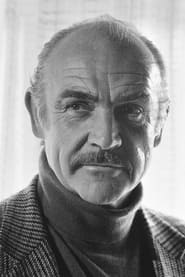
Sean Connery invents the modern action hero in real time. His Bond smirks through danger like a man who's already written the ending to his own story. Watch how he adjusts his cufflinks after a fight—it's the first of many physical choices that define the character's vanity.
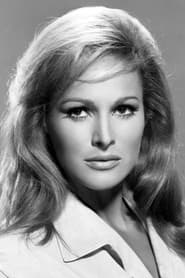
Ursula Andress makes an unforgettable entrance emerging from the sea, but her Honey Ryder gets frustratingly sidelined after that iconic moment. She delivers lines about her traumatic past with unsettling detachment—whether that's a choice or a limitation is hard to say.
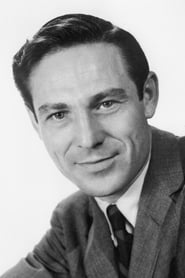
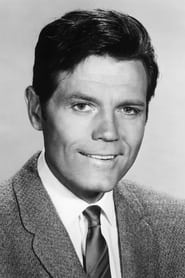
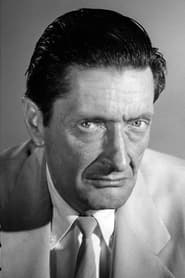
Joseph Wiseman's Dr. No remains one of the series' most chilling villains precisely because he does so little. His calm, almost bored delivery while explaining his plans makes him feel genuinely unhinged. That steel hand reveal still gives me chills.
Character Psychology
Bond wants to complete his mission, but what he needs is to prove he's untouchable. Every smirk, every casual seduction, every unnecessary risk screams 'watch me cheat death.'
He doesn't change. The world changes around him.
Themes & Emotional Depth
Dr. No explores colonialism's lingering shadow through its Jamaican setting. Bond represents the fading British empire strutting through a post-colonial landscape, while Dr. No—a Chinese-German scientist—embodies the new world order's cold rationality.
The famous 'Bond, James Bond' introduction at the casino perfectly captures this. He asserts his identity in a space built on European decadence, while the real threat brews on an island the old powers no longer control.
Memorable Scenes & Dialogue
Honey Ryder's beach entrance remains iconic for good reason. Andress emerges from the sea like a mirage, the camera lingering just long enough to make us question if she's real. The staging turns a simple reveal into mythmaking.
Dr. No's dinner with Bond crackles with tension because of what isn't said. The villain casually mentions having studied Bond's file while serving him exact replicas of his favorite meals—a power move that tells us everything about his obsession with control.
The tarantula scene works because Connery sells real fear. His controlled panic as the spider crawls up his arm makes the danger feel visceral, even through 1962 special effects.
The Ending — Does It Deliver?
The reactor room confrontation feels earned because Dr. No's arrogance finally outstrips his intelligence. His decision to monologue rather than simply kill Bond pays off earlier character work—we've seen how much he enjoys proving his superiority.
What stayed with me was Bond's casual quip after the final confrontation. There's no grand speech, just a weary professionalism that makes the fantasy feel grounded.
What Works
Connery's star-making performance defines the film. His physicality—the way he wears a suit like armor, the predatory grace of his movements—creates Bond instantly. The Jamaica locations add texture missing from later studio-bound sequels. Dr. No's lair remains one of the series' best villain bases, with its atomic age decor and palpable isolation. The final fight in the reactor room uses claustrophobic space brilliantly.
Honest Criticism
The middle section drags whenever Bond isn't actively pursuing leads. Quarrel's comic relief feels tonally jarring next to the main thriller plot. Some racial stereotypes haven't aged well, particularly the Jamaican characters' exaggerated dialects. The science fiction elements clash awkwardly with the otherwise grounded spy story.
How It Compares
Compared to later Bonds like Goldfinger, Dr. No feels almost minimalist. The action sequences are rougher but more visceral—when Bond gets hit, you feel it. It shares more DNA with noir thrillers like The Maltese Falcon than with its own sequels.
Where it falls short is in the female characters. Honey Ryder has more agency than most Bond girls, but she still gets reduced to damsel in distress by the third act—a problem the series would struggle with for decades.
Legacy & Cultural Impact
Dr. No launched one of cinema's most enduring franchises despite modest initial expectations. Made for just $1 million, it grossed nearly $60 million worldwide and spawned 25 official sequels. While not nominated for major awards, it established the spy genre template that would dominate the 1960s.
Modern viewers might find its pacing slow, but every subsequent action hero owes something to Connery's performance here. The film created a cultural icon in 110 minutes flat.
Behind the Scenes
Connery wasn't the first choice—producers considered Cary Grant before deciding they wanted a relative unknown. The famous 'Bond, James Bond' line was ad-libbed by Connery during filming. Andress' voice was dubbed in post-production due to her thick Swiss-German accent.
Who Should Watch It?
Classic film fans will appreciate seeing the Bond formula in its raw, pre-gadget form. Anyone interested in cinema history should watch for its cultural impact. Viewers expecting fast-paced modern action might find it too slow.
Final Verdict
Dr. No earns its place as a classic despite some dated elements. The 8.2 rating reflects its historical importance more than pure entertainment value by today's standards. Connery's performance alone makes it essential viewing. That said, casual viewers might prefer later, slicker entries. Watch it to see where one of cinema's greatest franchises began—flaws and all.
More details, ratings, and cast information on IMDb, TMDB, Wikipedia. YouTube