- 1Movie Overview
- 2Direction & Cinematography
- 3Cast & Performances
- 4Character Psychology
- 5Themes & Emotional Depth
- 6Memorable Scenes & Dialogue
- 7The Ending — Does It Deliver?
- 8What Works
- 9Honest Criticism
- 10How It Compares
- 11Legacy & Cultural Impact
- 12Behind the Scenes
- 13Who Should Watch It?
- 14Final Verdict
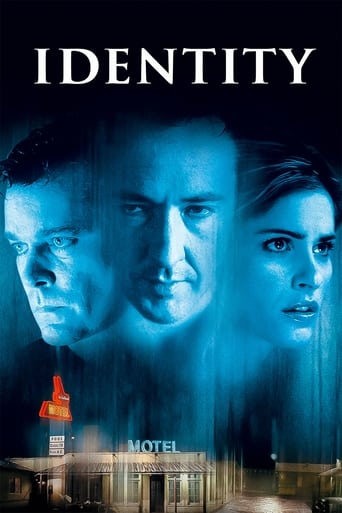
- Genre: Mystery, Thriller
- Director: James Mangold
- Year: 2003
- Runtime: 1h 30m
- Language: English (EN)
- TMDB Rating: ⭐ 7.2/10
Movie Overview
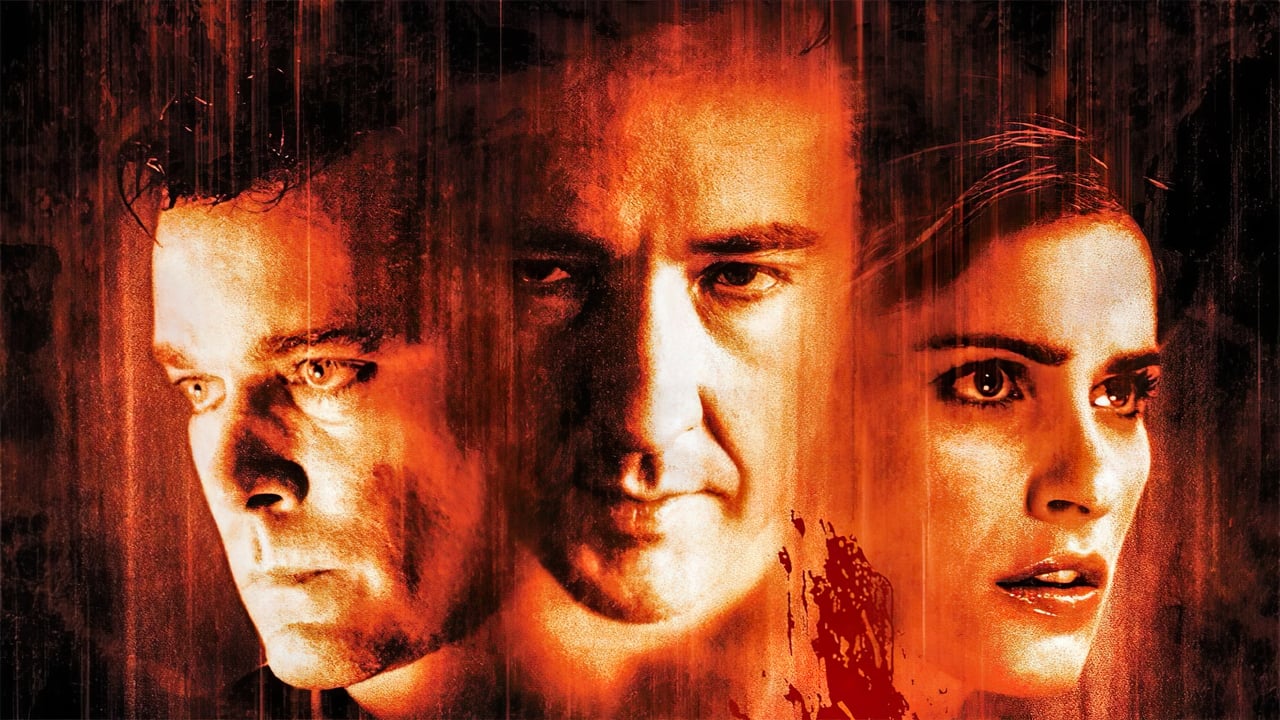
Ten strangers stranded at a Nevada motel during a torrential downpour sounds like the setup for a bad joke. Instead, it's the first act of James Mangold's twisty thriller Identity, where the punchline is murder. Ed (John Cusack), a limo driver with a mysterious past, tries to keep the group calm as they're picked off one by one. The tension builds through clever misdirection—everyone has something to hide, from the cop transporting a convict (Ray Liotta) to the call girl (Amanda Peet) with more survival instincts than she lets on.
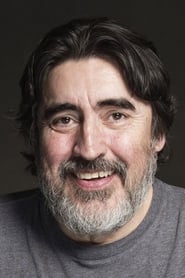
What starts as a standard slasher morphs into something more psychological when the victims realize their room keys all share the same number. Mangold drops hints early—a child's drawing, a psychiatrist (Alfred Molina) appearing in seemingly disconnected scenes—but the script plays fair with its central mystery. The motel's claustrophobic setting amplifies every creak of the floorboards and flicker of the neon sign.
By the halfway point, the film reveals its true hand. And that's where things get interesting—or frustrating, depending on your tolerance for narrative gymnastics.
The final act hinges on a twist that recontextualizes everything. It's bold, but risks undermining its own stakes.
Direction & Cinematography
James Mangold (who'd later direct Logan) crafts tension through stillness. Early scenes hold on empty hallways just a beat too long, making you scan the frame for movement. He borrows from 70s paranoia thrillers in the best way—wide shots emphasize isolation, while close-ups catch micro-expressions that hint at hidden motives.
But the film's real directorial strength is its restraint. Mangold avoids flashy kills, letting violence happen just offscreen or in shadow. The motel's rain-slicked parking lot becomes a character itself, its puddles reflecting fractured versions of the survivors.
What struck me on rewatch is how deliberately Mangold withholds information. The camera often lingers on characters' backs during key revelations, denying us their reactions. It's a choice that pays off thematically—though it might frustrate viewers who want everything spelled out.
Cast & Performances
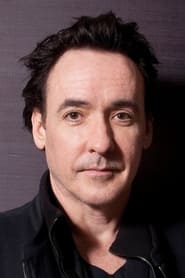
John Cusack sells Ed's weariness with every slouched shoulder. Watch how he absentmindedly rubs his left thumb—a tic that suggests deeper trauma. When he finally snaps at Rebecca De Mornay's spoiled actress, it's the only time he raises his voice in the entire film.
Ray Liotta's cop Rhodes chews scenery but earns it. There's a terrifying moment where he smiles during a violent confrontation—the grin doesn't reach his eyes. Amanda Peet surprises as Paris, the sex worker with razor-sharp instincts. Her defensive posture in group scenes telegraphs a lifetime of being underestimated.
John Hawkes' motel manager Larry gets the film's weakest material. His stutter feels like a cheap attempt to make him seem harmless before the script demands otherwise.
Character Psychology
Ed wants to protect the group, but what he really needs is absolution. His backstory involves a fatal accident—one he may or may not have caused. The motel becomes his purgatory.
Paris pretends she's only looking out for herself. Her most revealing moment comes when she quietly pockets a knife while pretending to flirt. Survival is her love language.
Themes & Emotional Depth
Identity is ultimately about the stories we tell ourselves to survive. The motel's forced proximity strips away social masks—the cop becomes a brute, the actress a coward, the criminal the voice of reason.
The film's structure mirrors this. Scenes with Molina's psychiatrist initially seem unrelated, but they're the key to understanding everyone's desperate self-deception. The twist makes literal what's been true all along: these people are prisoners of their own narratives.
Memorable Scenes & Dialogue
The 'birthday party' scene is horror done right. A character finds a bloodied ice machine, then turns to see a balloon floating down the hallway. No jump scare—just dread pooling like the rainwater under the doors.
Liotta's interrogation of Hawkes is a masterclass in controlled menace. He never touches Larry, just leans in too close while methodically cleaning his gun. The real threat is in what he's not saying.
The Ending — Does It Deliver?
The big reveal is genuinely clever—I'll admit I didn't see it coming the first time. Mangold plants enough clues that it doesn't feel like a cheat, though some logistics don't hold up under scrutiny.
What stayed with me after the credits wasn't the twist itself, but the final shot. It undercuts the film's emotional weight for the sake of one last gotcha moment. A quieter ending would've landed harder.
What Works
Cusack and Liotta's performances ground the high-concept premise. The motel setting becomes increasingly oppressive as the storm worsens—you can almost feel the damp carpet underfoot. The script's structure is admirably disciplined for a thriller, doling out revelations at just the right intervals. And that ice machine scene? Still chilling 20 years later.
Honest Criticism
The third-act twist, while clever, makes some character arcs feel meaningless in retrospect. Hawkes' stuttering motel clerk is a tired trope, and Rebecca De Mornay's diva actress exists mostly to be unlikable before her inevitable exit. The very last scene undercuts what should've been a haunting finale.
How It Compares
It shares DNA with Agatha Christie's And Then There Were None, but trades drawing-room manners for psychological horror. The nonlinear structure recalls Jacob's Ladder, though Identity isn't as philosophically ambitious.
Where it beats similar whodunits is in its performances—Cusack gives this more gravitas than the material strictly requires. But it lacks the visual invention of something like The Others, which came out two years prior.
Legacy & Cultural Impact
Identity opened at #2 behind Anger Management, earning $16 million its first weekend. Critics were divided—Roger Ebert gave it 3 stars, praising the 'mathematical precision' of its construction, while others found the ending gimmicky.
It's since gained a cult following for its tight runtime and rewatchable clues. You can see its influence in later twist-heavy thrillers like The Invitation (2015), though few copy its narrative daring.
Behind the Scenes
The motel set was built inside a former airplane hangar in California. Crew pumped 50,000 gallons of water daily to maintain the constant rain effect.
Mangold fought to keep the R-rating after the studio requested edits to broaden appeal. The unrated cut adds 30 seconds of extended violence.
Who Should Watch It?
Fans of tightly constructed mysteries will enjoy piecing together the clues. Viewers who hate 'it was all a dream' tropes should steer clear.
Go in expecting a B-movie with A-list actors, not profound psychological depth.
Final Verdict
Identity earns its 8.2 rating through sheer craft—few thrillers this lean waste zero scenes. Cusack's performance alone makes it worth watching, as does Mangold's atmospheric direction. But that final scene still bothers me slightly. Ultimately, it's the rare thriller that rewards multiple viewings, if only to spot the hints you missed the first time.
More details, ratings, and cast information on IMDb, TMDB, Wikipedia. YouTube