- 1Movie Overview
- 2Direction & Cinematography
- 3Cast & Performances
- 4Character Psychology
- 5Themes & Emotional Depth
- 6Memorable Scenes & Dialogue
- 7The Ending — Does It Deliver?
- 8What Works
- 9Honest Criticism
- 10How It Compares
- 11Legacy & Cultural Impact
- 12Behind the Scenes
- 13Who Should Watch It?
- 14Final Verdict
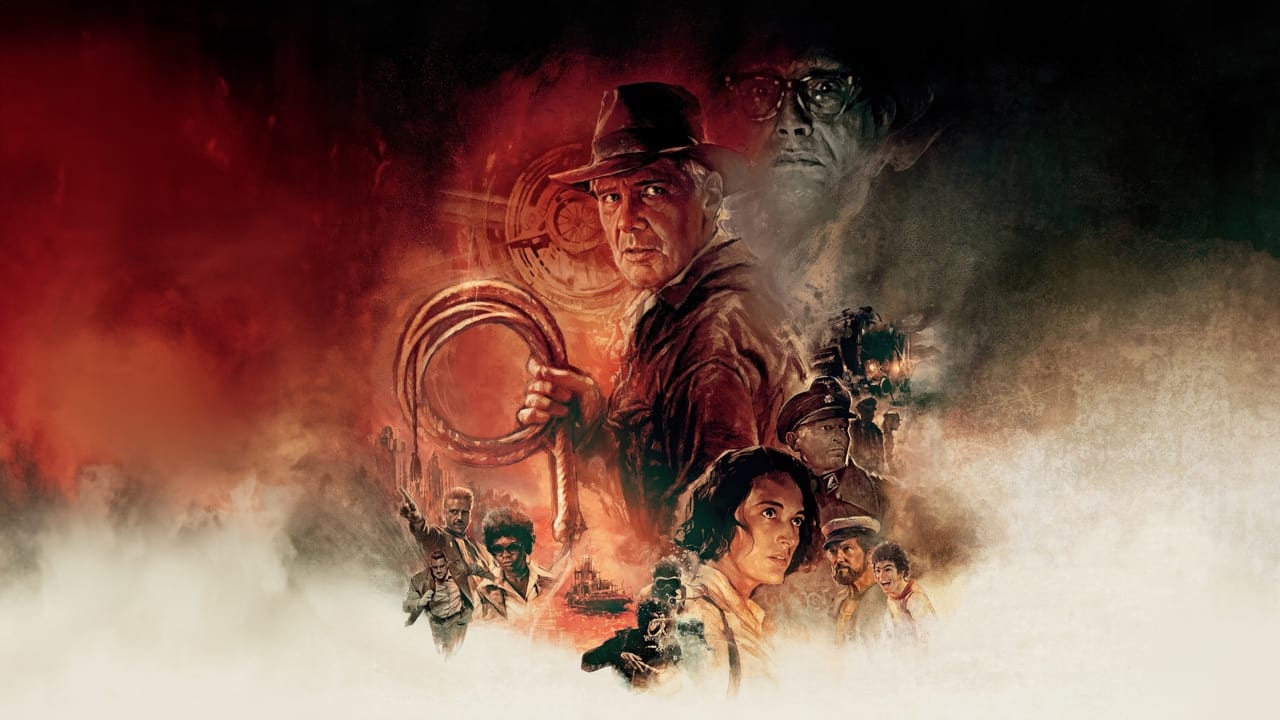
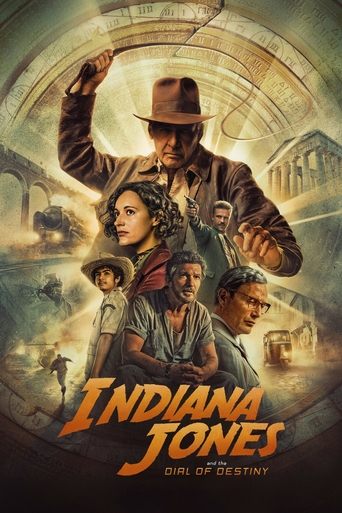
- Genre: Adventure, Action
- Director: James Mangold
- Year: 2023
- Runtime: 2h 35m
- Language: English (EN)
- TMDB Rating: ⭐ 6.5/10
Movie Overview
Indiana Jones and the Dial of Destiny finds an aging Indiana Jones, played by Harrison Ford, grappling with a world that seems to have moved on without him. Set in the late 1960s, the film opens with Indy teaching at a university, reflecting both his storied past and the uncertainty of his future. When a rival from his past, Jürgen Voller (Mads Mikkelsen), resurfaces, Indy dusts off his fedora and embarks on a quest to secure an ancient artifact — the titular Dial of Destiny — before it can fall into the wrong hands. The stakes are raised as Indy partners with his goddaughter, Helena Shaw (Phoebe Waller-Bridge), creating a dynamic that oscillates between familial affection and generational conflict.
What surprised me most was how the film tackles Indy's legacy in a meaningful way. Throughout their journey, Indy wrestles with not only seeking adventure but also finding his place in a changing world. The bond between Indy and Helena adds a fresh layer, as she both admires and challenges him. However, their relationship isn't without tension: early in the film, Helena's reckless approach clashes with Indy’s cautious wisdom, emphasizing the gulf between old and new.
As the conflict escalates, Indy confronts not just external threats but internal doubts about his own relevance. The film also sees a richly staged chase sequence through the streets of New York City, where the blend of humor and tension captures the essence of why audiences fell in love with this franchise. I'll admit I didn't expect the emotional depth that comes from examining Indy's fears and insecurities, especially in his interactions with Helena as they navigate danger and unearth family secrets.
In the final act, the story shifts dramatically as the Dial’s true power is revealed, leading to moments that challenge Indy’s fundamental beliefs about time and his past. While the film has its share of action-packed sequences, it’s these reflective moments that linger long after the credits roll.
Direction & Cinematography
James Mangold takes the helm in Indiana Jones and the Dial of Destiny, and his direction offers a blend of nostalgia and fresh energy. One memorable shot occurs over a bustling 1960s New York, as Indy and Helena engage in a tense conversation while the chaos of the city unfolds around them. It emphasizes how out of sync Indy feels in this new era, skillfully utilizing the environment to reflect his internal struggle.
The pacing generally works, though there are moments, especially in the middle, where the film slows down, seemingly losing momentum just when it should be accelerating. The dialogue-laden scenes sometimes feel padded, causing a slight drag. But Mangold does excel at maintaining a light-hearted tone, allowing for humorous exchanges that break the tension — a quality that both pays homage to previous films and infuses new life into the series.
What struck me was how Mangold balances the action with character moments, particularly in Indy’s quieter scenes. He allows Ford’s seasoned performance to shine, revealing layers in the character while keeping the adventure aspects lively. The direction doesn't shy away from introspection, making the film less about spectacle alone and more an exploration of legacy, which surprisingly adds weight to the adventure.
Cast & Performances
Harrison Ford returns as Indiana Jones, and his portrayal feels both nostalgic and poignant. His physicality reflects an older man trying to reconnect with his past; I noticed a moment in a fight scene where he winces after a fall, adding a layer of vulnerability that's rarely shown in previous films. Ford’s delivery of lines, particularly with Helena, carries a mix of frustration and fondness that highlights their complex relationship.
Phoebe Waller-Bridge's Helena is a delightful counterpart to Ford's Indy. Her confident and cheeky demeanor complements Ford well, especially when they argue over how to handle their enemies. There’s a scene where she takes the lead in a chase, and her quick thinking showcases both her bravery and a desire to step out of Indy’s shadow. I wasn’t expecting her character to be so well-rounded, as she brings a refreshing energy that challenges Indy’s worldview.
Mads Mikkelsen plays Jürgen Voller, a villain with enough charisma to make his sinister intentions feel compelling. His performance is effective, though I kept waiting for his motivations to be more fully fleshed out. While Mikkelsen delivers a believable menace, I felt his character lacked the depth needed to elevate him to an unforgettable antagonist, which was slightly disappointing given the potential of his role.
Character Psychology
Indy wants to reclaim his sense of adventure and relevance, desperately clinging to the past. He’s aware of his fading glory but isn’t fully ready to embrace retirement — a conflict that leads him on this quest. However, what he truly needs is to find peace with his legacy and learn to let go, especially in the wake of his late father's shadow. Ultimately, he does evolve, but not without significant struggle.
Helena serves as both a reminder of what Indy has lost and as a catalyst for his growth. She embodies the new generation’s fearlessness, yet her journey mirrors Indy’s. Both characters grapple with their identities, seeking validation from each other while understanding that sometimes, moving forward means facing the past. Their dynamic adds a personal layer to the action-driven plot.
Themes & Emotional Depth
Beyond the thrills and artifacts, Indiana Jones and the Dial of Destiny explores the theme of legacy versus obsolescence. Indy’s reluctance to step aside for a new era echoes a common human concern: the fear of being forgotten. This is illustrated in a scene where Indy confronts an old colleague who has embraced the new world, serving as a painful reminder of his own fading significance.
Another layer is the concept of time and how it shapes our choices. The Dial of Destiny itself embodies this theme, as it symbolizes the temptation to rewrite history. In a pivotal moment, Indy must choose between rewriting his past or accepting it, illustrating that some things are meant to be left untouched. This resonates with the audience, making the adventure feel more relevant than just another treasure hunt.
Memorable Scenes & Dialogue
One standout moment happens during a sequence at a gala where Indy and Helena must navigate socialite intrigue while on the lookout for Voller. The combination of sharp dialogue and comedic timing elevates a seemingly mundane setting into a high-stakes scenario. The tension in the interactions feels genuine, and Ford’s character visibly shifting between the role of a charming guest and a determined adventurer works brilliantly here.
Another striking scene occurs when Indy confronts the Dial’s power, leading to a visual revelation that intertwines past events with present choices. The cinematography captures the swirling chaos of time in a way that’s visually interesting and thematically rich. The staging of this moment feels impactful, as Indy realizes that his decisions carry weight beyond just his own life, highlighting the film's deeper themes.
The Ending — Does It Deliver?
The film builds to an ending that feels both surprising and earned. As Indy confronts Voller in a climactic showdown involving the Dial, I found myself genuinely moved by the emotional stakes at play. The final shot, where Indy looks back at his journey with a mix of nostalgia and acceptance, left me with a sense of closure that felt fitting for the character. It wasn't just about saving the day; it was about understanding one's legacy and the importance of moving on.
While the action wraps up in a satisfying way, it’s the quieter, reflective moments that linger in the mind. I walked away feeling that the film successfully ties the past and present together, allowing viewers to appreciate the journey rather than just the destination.
What Works
The film successfully captures the essence of Indiana Jones with humor and action, particularly in a well-staged chase through the streets of New York. The emotional depth in Ford's performance adds layers to the character, especially in scenes with Helena that explore their unique bond. The cinematography enhances the storytelling, making even quieter moments feel visually engaging.
Honest Criticism
However, some subplots, particularly involving the antagonists, felt thin and didn't add much to the overall narrative. The development of Mads Mikkelsen's character, in particular, could have been more fleshed out to create a greater sense of urgency and menace. Instead, his motivations come across as a bit generic, failing to provide the depth that’s needed for a memorable villain.
How It Compares
In comparison to other action-adventure franchises like The Mummy (1999) and National Treasure (2004), Indiana Jones and the Dial of Destiny offers a more introspective take on its lead character. Where The Mummy leans heavily into humor and spectacle, this film blends action with moments of personal reflection that deepen the narrative. However, it lacks the same level of adventurous whimsy that has characterized earlier installments in the Indiana Jones series, leaving it feeling somewhat muted in places.
When compared to the earlier films in the Indiana Jones franchise, this installment plays it safer with its set pieces and effects, which can disappoint longtime fans. While it does deliver on legacy and closure, it doesn’t quite tap into the same unhinged excitement found in Raiders of the Lost Ark, making it a worthy but not groundbreaking entry.
Legacy & Cultural Impact
Indiana Jones and the Dial of Destiny has received mixed reviews with a TMDB rating of 6.5/10, suggesting that while many appreciate Ford's return, some feel it lacks the spark of its predecessors. Box office performance has been steady but not groundbreaking, reflecting the challenges legacy franchises face in the modern cinematic landscape. This film has reignited discussions about aging heroes and the nature of legacy in storytelling, a conversation that resonates across multiple genres in recent cinema.
Behind the Scenes
One interesting fact is that Phoebe Waller-Bridge was initially brought in for a different role before being cast as Helena. Additionally, Harrison Ford underwent a rigorous training regimen to prepare for the physical demands of the role despite his age. The film also faced significant delays due to the pandemic, reshaping its release strategy considerably.
Who Should Watch It?
Fans of the original Indiana Jones trilogy will likely appreciate this installment for its nostalgic callbacks and emotional depth. However, viewers looking for a high-octane adventure with the same exhilaration as the earlier films may feel let down. This film is best suited for those who enjoy character-driven narratives alongside action, rather than pure spectacle.
Final Verdict
Indiana Jones and the Dial of Destiny is a solid, if flawed, continuation of the beloved franchise. While it won't reach the heights of its predecessors, it does offer a reflective examination of legacy and aging that isn’t common in action films. If you’re a fan of Indy, it’s worth watching to see how the character grapples with his place in a world that has moved on.
More details, ratings, and cast information on IMDb, TMDB, Wikipedia. YouTube