- 1Movie Overview
- 2Direction & Cinematography
- 3Cast & Performances
- 4Character Psychology
- 5Themes & Emotional Depth
- 6Memorable Scenes & Dialogue
- 7The Ending — Does It Deliver?
- 8What Works
- 9Honest Criticism
- 10How It Compares
- 11Legacy & Cultural Impact
- 12Behind the Scenes
- 13Who Should Watch It?
- 14Final Verdict
- Genre: Animation, Science Fiction, Action
- Director: Jeff Wamester
- Year: 2024
- Runtime: 1h 33m
- Language: English (EN)
- TMDB Rating: ⭐ 7.3/10
Movie Overview
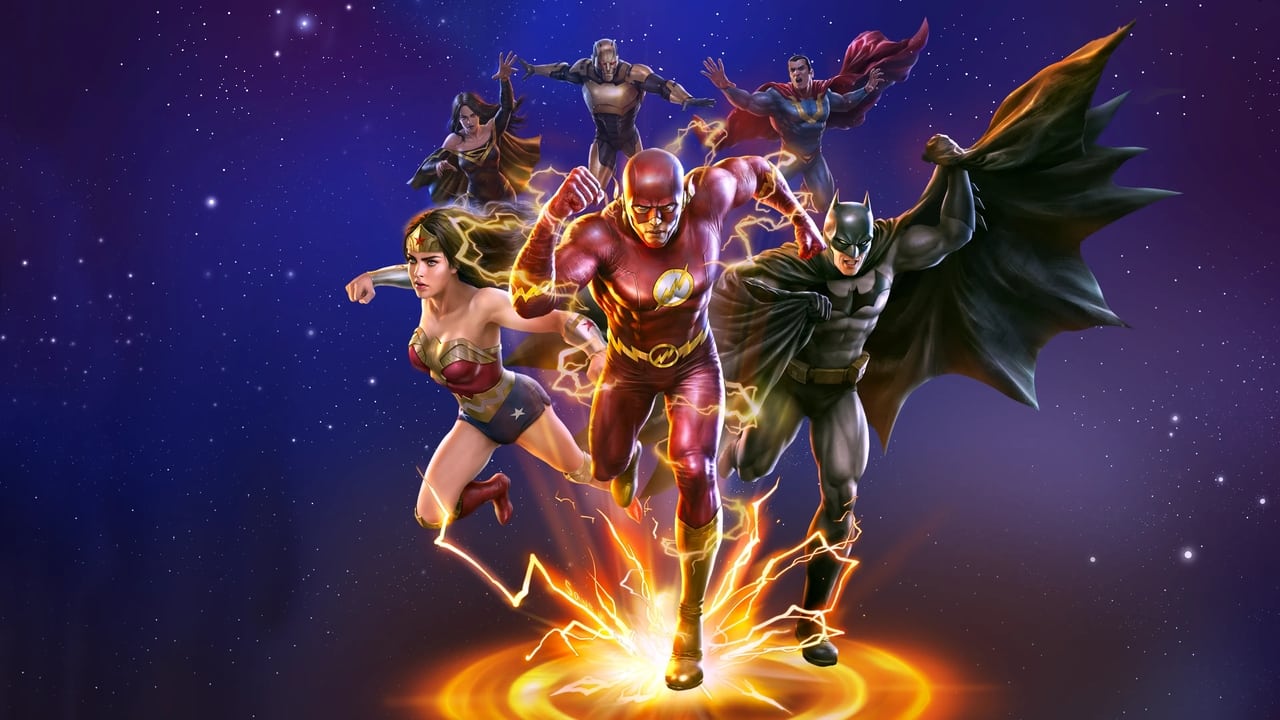
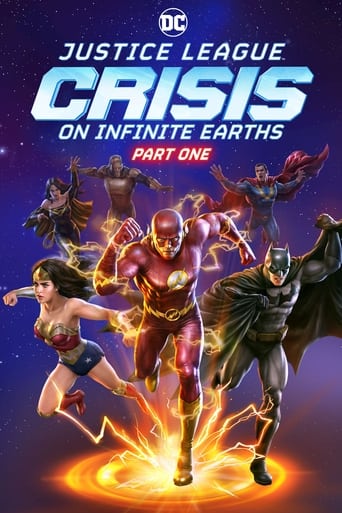
Justice League: Crisis on Infinite Earths Part One kicks off with a dire warning from the Monitor, who reveals that oblivion threatens every universe. Superman, Batman, Wonder Woman, and other beloved heroes gather, but their initial plans clash with the overwhelming force of antimatter. As the stakes rise, we see Clark Kent struggle with his dual identity, wrestling with his responsibilities while trying to unite a fractured League. Tensions flare, particularly with Batman’s gruff demeanor clashing against Wonder Woman’s unwavering hope.
Midway through, the heroes' mission takes a personal turn. They must confront their own fears and doubts, each character revealing hidden vulnerabilities. During a pivotal moment, The Flash races against time to save a city from annihilation, illustrating his dedication and internal conflict. There's a palpable frustration when they realize their combined might may not be enough to avert disaster. I’ll admit, I didn’t expect the emotional depth woven into this chaotic landscape.
Just when it seems all hope is lost, the heroes encounter various alternate versions of themselves, leading to unexpected reflections on their choices. These encounters underline the theme that identity is multifaceted, drawing viewers deeper into the motivations behind each hero’s actions. However, the pacing drags a bit as the film juggles so many characters; some moments feel repetitive.
By the end, the heroes are left facing insurmountable odds, setting up a compelling cliffhanger that leaves you craving the next installment. What stayed with me after the credits rolled was the realization that this battle for existence is as much about camaraderie as it is about combat, though I could see how casual viewers might find it confusing with its multitude of characters.
Direction & Cinematography
Jeff Wamester directs with a keen understanding of the DC animated universe, maintaining a tone that balances dark stakes with moments of levity. The action sequences, particularly during the opening half, are framed in a way that brings chaos to life, with dynamic camera angles following The Flash's lightning-speed movements. But what struck me most was a quieter moment between Superman and Batman, where the juxtaposition of their physical presence highlights their differing approaches to heroism.
The pacing of the film is a mixed bag. Early on, it races through essential exposition, introducing the myriad characters and their alternate Earths. At times, this rapid-fire storytelling feels exhilarating, but it can also overwhelm. I noticed that as the film shifts into deeper character moments, it slows considerably, which ultimately reveals the heart of the story, though it might frustrate viewers expecting constant action.
Wamester's use of color is also worth mentioning. The vibrant palette represents the various Earths, contrasting sharply with the looming darkness of the antimatter threat. This visual storytelling enhances the viewer's connection to the narrative, though the frequent shifts in tone could alienate those unfamiliar with the source material.
Cast & Performances
Matt Bomer voices Superman with a charming mixture of determination and vulnerability. His line readings convey a depth that resonates, especially in scenes where he grapples with leadership. I was pleasantly surprised by how his portrayal tackled the emotional burden of being Earth's mightiest hero.
Jensen Ackles as Batman embodies a brooding, almost cynical outlook. His delivery during confrontations feels weighty, but I felt he leaned a bit too hard into the darkness at times, which slightly overshadowed opportunities for character growth. Still, his chemistry with Wonder Woman, voiced by Meg Donnelly, brings a dynamic energy to their interactions. Donnelly's Wonder Woman is fiercely protective, and her physicality during combat scenes radiates confidence.
Darren Criss as The Flash brings a youthful exuberance that contrasts nicely with the more serious tones set by other characters. His comic timing works, particularly in scenes where he attempts to lighten the mood, though at times, I kept waiting for a deeper exploration of his character that never fully materialized.
Character Psychology
Superman desperately wants to unite the heroes and save their worlds from annihilation. However, he also needs to confront the reality that he cannot do this alone. His journey reflects a deeper need for connection and trust, which becomes evident when he struggles to rally the scattered heroes. Ultimately, he doesn't fully change, but he learns to lean on his allies more.
Batman, on the other hand, operates from a place of fear—fear of failure and fear of loss. His need for control often clashes with the other heroes' more optimistic outlooks. He remains rigid throughout, which highlights his immovable nature and leads to a crucial moment of acceptance later on, though it feels rushed and less impactful than intended.
Themes & Emotional Depth
The film dives into the complexities of identity, particularly how each character perceives themselves against the backdrop of an impending doom. The encounter with alternate versions of themselves acts as a mirror, forcing the heroes to confront their choices and regrets. This is particularly poignant in a scene where a different Earth’s Batman questions his own choices, making audiences ponder the nature of heroism beyond powers and abilities.
Moreover, themes of unity emerge strongly. The notion that individual strengths contribute to a larger collective power is woven throughout, especially during team-building moments. These scenes, though occasionally feeling disjointed, ultimately convey a powerful message about collaboration in the face of adversity.
Memorable Scenes & Dialogue
One standout moment occurs when Superman faces an alternate version of himself, creating a striking visual contrast that emphasizes the weight of his choices. This scene works because it powerfully encapsulates the internal struggle of identity—Superman’s dialogue with his counterpart becomes a poignant reflection on legacy.
Another memorable sequence features Flash racing through an exploding cityscape. The frantic energy of this scene, combined with Darren Criss's energetic performance, makes it pulse with urgency. It’s not just flashy; it encapsulates the stakes of their mission while showcasing Flash’s character development.
Finally, a quiet moment between Batman and Wonder Woman, where they share a moment of vulnerability, captures the emotional core of the film. Wamester’s choice to let the camera linger on their expressions adds depth, making it a highlight in an otherwise chaotic narrative.
The Ending — Does It Deliver?
The climax builds to a point where the heroes face an impossible situation, leaving their fates hanging in the balance. What surprised me the most was how the emotional weight shifted from just a physical battle to a philosophical one—each hero must reckon with who they are versus who they can be. The final shot, which hints at the larger multiverse, leaves you with a blend of excitement and dread, perfectly encapsulating the film's essence.
It’s hard to deny the setup for the next part feels both earned and inevitable, though it could have benefited from a more decisive resolution for its characters. You’re left with a sense of longing, not just for the heroes to succeed, but to truly connect with one another in the process.
What Works
The exploration of identity through alternate versions of characters is a strong point, particularly in Superman's confrontation with himself. This adds emotional depth that elevates the typical superhero fare. The action is well-animated, with The Flash’s racing sequences providing both excitement and insight into his character. The voice performances, especially from Bomer and Ackles, breathe life into their roles, capturing the essence of the iconic heroes and creating an engaging dynamic.
Honest Criticism
The pacing issues stand out, particularly in the midsection, where the film's attempts to juggle too many characters can feel overstuffed. At times, important emotional moments get lost amid the action, making it harder to connect with the characters. Additionally, some subplots, like the rivalry between heroes from alternate Earths, feel underdeveloped and leave loose threads that detract from the overall impact.
How It Compares
Justice League: Crisis on Infinite Earths Part One has much in common with animated gems like Avengers: Infinity War and Spider-Man: Into the Spider-Verse. However, it distinguishes itself by its focus on the legacy of its characters and their multifaceted identities. While Infinity War leans heavily into action-driven storytelling, this film takes a narrative risk by exploring emotional arcs, though it occasionally stumbles with pacing.
On the other hand, where Spider-Man: Into the Spider-Verse excelled with its innovative animation and humor, this film feels more weighed down by its expansive cast. The sheer number of heroes sometimes sacrifices character depth for the sake of a sprawling story, which can leave viewers feeling a bit lost in the chaos—something Spider-Verse handled with far more coherence.
Legacy & Cultural Impact
As of now, Justice League: Crisis on Infinite Earths Part One is receiving mixed to positive reviews from critics, holding a 7.3/10 rating on IMDb. It’s positioned as a significant entry within the DC Universe's animated timeline. The film has sparked discussions about the future of superhero narratives, particularly how they balance character development with ensemble storytelling.
In a genre filled with superhero fatigue, this film's approach to character identity and legacy feels timely and necessary, though it may not yet be cemented in the pantheon of animated classics just yet.
Behind the Scenes
Interestingly, Matt Bomer was the last-minute choice for Superman after the original voice actor had scheduling conflicts. Additionally, the film underwent extensive rewrites to include more character interactions, leading to the unique narrative structure. Lastly, Wamester initially envisioned a two-part series but opted to condense it into one film, creating a tighter, albeit more rushed narrative arc.
Who Should Watch It?
Fans of the DC animated universe and comic book enthusiasts will likely enjoy the intricate world-building and character dynamics. However, casual viewers might struggle with the numerous heroes and interconnected plotlines, making it less accessible for those less familiar with the lore.
Final Verdict
Justice League: Crisis on Infinite Earths Part One is a solid addition to the DC animated lineup, offering thoughtful character explorations alongside thrilling action. While it has pacing issues and struggles with its expansive cast, the emotional stakes elevate it above typical genre fare. If you’re a fan of these characters, it’s worth a watch for the deeper themes and exciting visuals it presents.
More details, ratings, and cast information on IMDb, TMDB, Wikipedia. YouTube