- 1Movie Overview
- 2Direction & Cinematography
- 3Cast & Performances
- 4Character Psychology
- 5Themes & Emotional Depth
- 6Memorable Scenes & Dialogue
- 7The Ending — Does It Deliver?
- 8What Works
- 9Honest Criticism
- 10How It Compares
- 11Legacy & Cultural Impact
- 12Behind the Scenes
- 13Who Should Watch It?
- 14Final Verdict
- Genre: Thriller, Horror, Action, Mystery, Science Fiction
- Director: Jo-Anne Brechin
- Year: 2026
- Runtime: 1h 29m
- Language: English (EN)
- TMDB Rating: ⭐ 5.7/10
Movie Overview
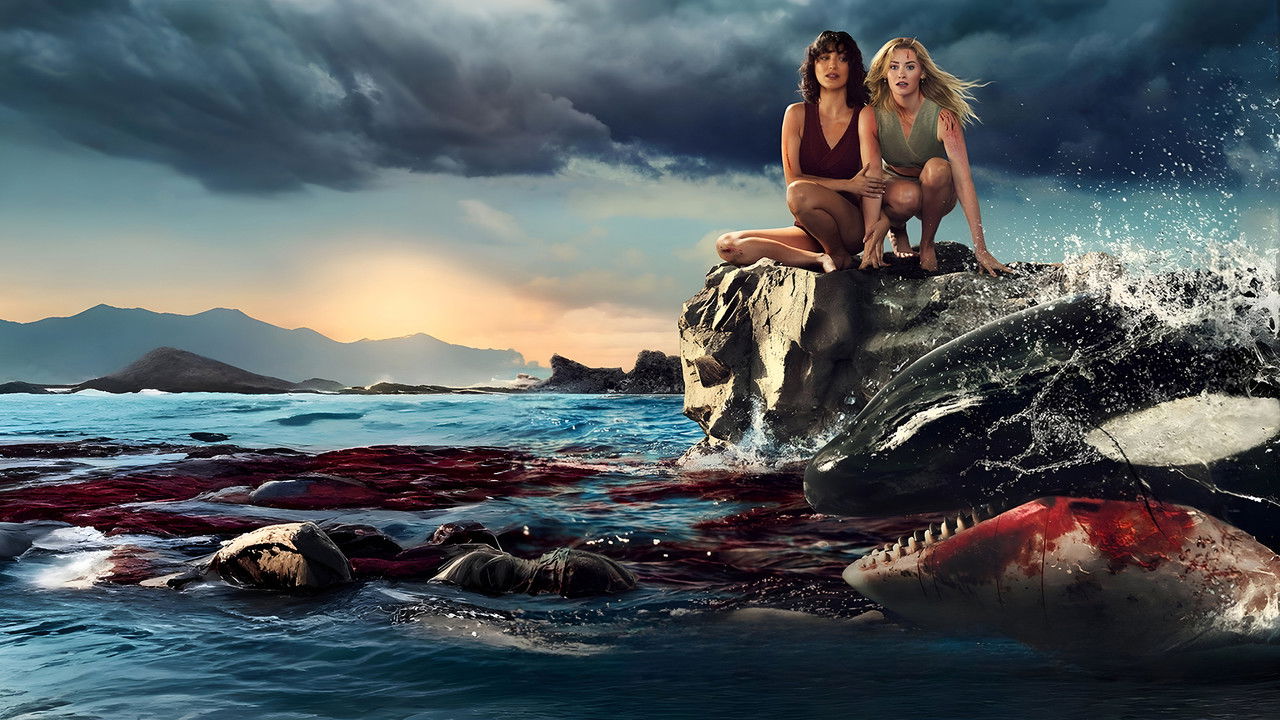
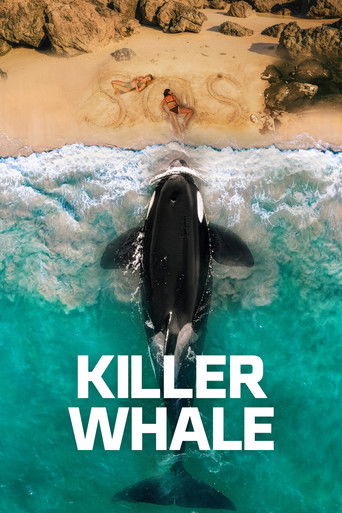
Maddie and Trish are best friends on a sailing trip meant to mend fences after a personal rift. Their vacation turns into a nightmare when they're forced to take refuge in a secluded, murky lagoon after their boat is damaged. They quickly realize they're not alone; the lagoon is the hunting ground of Ceto, a massive and unnaturally aggressive killer whale. The setup is pure B-movie, but the film wastes no time getting its characters into the water, forcing them to use their wits and limited resources against a creature that seems to understand their every move. The initial panic gives way to a grim battle for survival. Maddie, the more pragmatic one, tries to formulate a plan, while Trish, still nursing emotional wounds, begins to unravel under the pressure. Their dynamic is tested not just by the whale, but by their own unresolved history. The film smartly keeps the whale's attacks sporadic but brutal, creating a suffocating atmosphere where the dread comes from waiting for the next strike as much as the strike itself. And the lagoon itself becomes a character—beautiful, claustrophobic, and inescapable.
Direction & Cinematography
Director Jo-Anne Brechin makes a strong case for herself in the thriller genre with a focused, no-frills approach. She builds tension through a clever use of underwater sound design and tight, disorienting shots that mimic the whale's point of view. Personally, I think her best choice was keeping Ceto partially obscured for most of the film; you see flashes of a massive tail, the shadow of a body gliding beneath the kayak, a glimpse of a scarred dorsal fin. It's more unnerving than any full-CGI reveal could be. The pacing is brisk at 89 minutes, though it does hit a lull in the middle when the script tries to shoehorn in some clunky exposition about the whale's origins. But Brechin quickly regains control for the final act, staging the aquatic sequences with a clear, visceral geography that's often missing from similar creature features. What stayed with me after the credits was the oppressive stillness of the lagoon's surface, which she frames like a deadly mirror.
Cast & Performances
Virginia Gardner as Maddie carries the film's emotional weight. Her performance is all about contained fear; you see her processing each new horror with a quick, calculating glance before she forces herself to act. It's a quiet, physical performance that works. Mel Jarnson's Trish is a trickier role, requiring a slow-burn breakdown, and Jarnson is mostly convincing, especially in a scene where she silently hyperventilates while clinging to a rock. I'll admit I didn't expect the raw panic in her voice when she finally screams at Maddie—it felt genuinely unhinged. Mitchell Hope and Isaac Crawley, playing a pair of ill-fated friends who enter the lagoon later, have less to do, but Hope manages to make his character's arrogance feel like a believable flaw rather than a plot device. Scott James George has a small role as a grizzled local who delivers the obligatory warning, and he does it with just enough weary gravitas to avoid being a total cliché.
Character Psychology
On the surface, Maddie wants to get herself and Trish out of the lagoon alive. What she actually needs is to repair the trust she broke, to prove she's not the person who let her friend down. The whale becomes a physical manifestation of that guilt, relentlessly pursuing her. She's self-aware enough to know she caused the rift, but the crisis forces her to stop apologizing and start acting. Trish needs to stop being a victim. Her anger at Maddie has made her passive, and the whale's attack shocks her system into a fight-or-flight response she didn't know she had. She doesn't so much change as she is violently stripped back to a primal state. Whether that's growth or trauma is left intriguingly ambiguous.
Themes & Emotional Depth
Killer Whale is, underneath the splashes and screams, about the toxicity of unresolved conflict. The lagoon traps Maddie and Trish with their problem, literally refusing to let them leave until they confront it. The whale doesn't just attack randomly; it seems to exploit moments of division between them, like a manifestation of their corrosive silence. In one key scene, as they argue in whispers on a tiny island, the water around them begins to churn. The film suggests that the emotional baggage we refuse to deal with can become a predator in its own right, waiting to surface.
Memorable Scenes & Dialogue
The 'anchor line' scene is a standout piece of suspense. Trish is in the water, tangled in a thin anchor line, while Maddie sees the distinct shape of Ceto circling just below. The scene works because of the stark contrast: the bright yellow line against the dark blue water, the absolute silence broken only by Trish's ragged breathing. The camera stays tight on the line, making us feel its terrifying fragility. Another is the first full breach attack. Brechin holds the shot on the whale suspended in mid-air for a beat too long, emphasizing its impossible size and weight before the crash-down. It's a shock that lands because of that deliberate, almost beautiful, pause.
The Ending — Does It Deliver?
The ending mostly earns its stripes by sticking to the film's core logic: nature, once provoked, is relentless and unfair. I wasn't expecting much, but the final confrontation subverts the typical heroic sacrifice in a way that felt bleakly honest. It surprised me by prioritizing a kind of grim logic over catharsis. The final shot left me with a hollow, unsettling feeling—not of triumph, but of a debt being paid. It's a downbeat note, but it fits the movie's mean spirit.
What Works
The central dynamic between Gardner and Jarnson works because it feels lived-in. Their arguments have the shorthand of real friends. The creature design for Ceto is effective in its simplicity—the scarred fin and pale markings make it instantly identifiable and sinister. Brechin's direction of the aquatic sequences is clear and terrifying; you always know where everyone is in relation to the threat, which makes the attacks feel real and chaotic instead of confusing. The sound design is fantastic, using the whale's vocalizations as a creeping, omnipresent layer of dread.
Honest Criticism
The subplot involving the two guys who enter the lagoon feels like padding from a different, worse film. Their dialogue is expository and their characters are thin, serving only as whale fodder to extend the runtime. It bothered me slightly that the film's brief foray into explaining *why* the whale is so aggressive is laughably bad—a single line about 'military sonar' that raises more questions than it answers. They should have just left it an angry animal. The third-act logistics of Maddie's final plan stretch credibility even for a genre piece, relying on a coincidence that feels unearned.
How It Compares
It sits somewhere between the aquatic tension of The Shallows and the creature-feature fun of Crawl, but with a sharper, less sentimental edge than both. Where it beats similar films is in its commitment to its two-hander dynamic and its restrained creature effects. Where it falls short is in its underwritten side characters, who feel imported from a much cheesier movie. It lacks the thematic depth of something like Jaws, but it's also not trying to be that. It's a focused survival exercise.
Legacy & Cultural Impact
As a 2026 release, Killer Whale arrived with little fanfare and a modest streaming-focused rollout. Its TMDB rating of 5.7 reflects its 'mid-tier thriller' reception—enjoyable for genre fans, forgettable for others. It didn't start any major cultural conversations, but it did prove a viable model for a low-budget, location-focused horror thriller. Its legacy, if it has one, will be as a solid example for aspiring filmmakers of how to wring maximum tension from minimal elements. For director Jo-Anne Brechin, it's a promising calling card that shows she can handle suspense on the water, which is no small feat.
Behind the Scenes
The majority of the film was shot in a controlled saltwater lagoon in Queensland, Australia, not in the open ocean. The production used a combination of a real, trained orca for wide shots and a mechanized animatronic head for the close-up attack scenes. Virginia Gardner and Mel Jarnson performed many of their own swimming stunts in the lagoon, which was reportedly filled with harmless jellyfish that caused minor discomfort during takes.
Who Should Watch It?
Viewers who enjoy lean, mean creature features with a strong survivalist angle will find a lot to like here. It's perfect for a tense Friday night watch. Anyone looking for deep character development, scientific accuracy, or a happy ending should look elsewhere—this is a brutal, straightforward thriller.
Final Verdict
Killer Whale is a pleasant surprise. It understands its B-movie roots but executes its core premise with enough skill and seriousness to be genuinely gripping. The 5.7/10 rating feels a bit harsh; it's a more competent and tense film than that score suggests. I'd rate it higher for its effective scares and strong dual lead performance. While it stumbles when it tries to expand its world beyond the lagoon, the central survival story works. Give it a watch if you want a no-nonsense thriller that delivers exactly what its title promises.
More details, ratings, and cast information on IMDb, TMDB, Wikipedia. YouTube