- 1Movie Overview
- 2Direction & Cinematography
- 3Cast & Performances
- 4Character Psychology
- 5Themes & Emotional Depth
- 6Memorable Scenes & Dialogue
- 7The Ending — Does It Deliver?
- 8What Works
- 9Honest Criticism
- 10How It Compares
- 11Legacy & Cultural Impact
- 12Behind the Scenes
- 13Who Should Watch It?
- 14Final Verdict
- Genre: Family, Romance, Comedy
- Director: Charlie Bean
- Year: 2019
- Runtime: 1h 41m
- Language: English (EN)
- TMDB Rating: ⭐ 7.2/10
Movie Overview
Lady, a pampered Cocker Spaniel, lives a comfortable life with her owners Jim Dear and Darling in early 1900s America. Her world gets upended when the couple has a baby, leaving Lady feeling neglected. After a misunderstanding sends her fleeing into the streets, she crosses paths with Tramp, a street-smart mutt who shows her life beyond the leash.
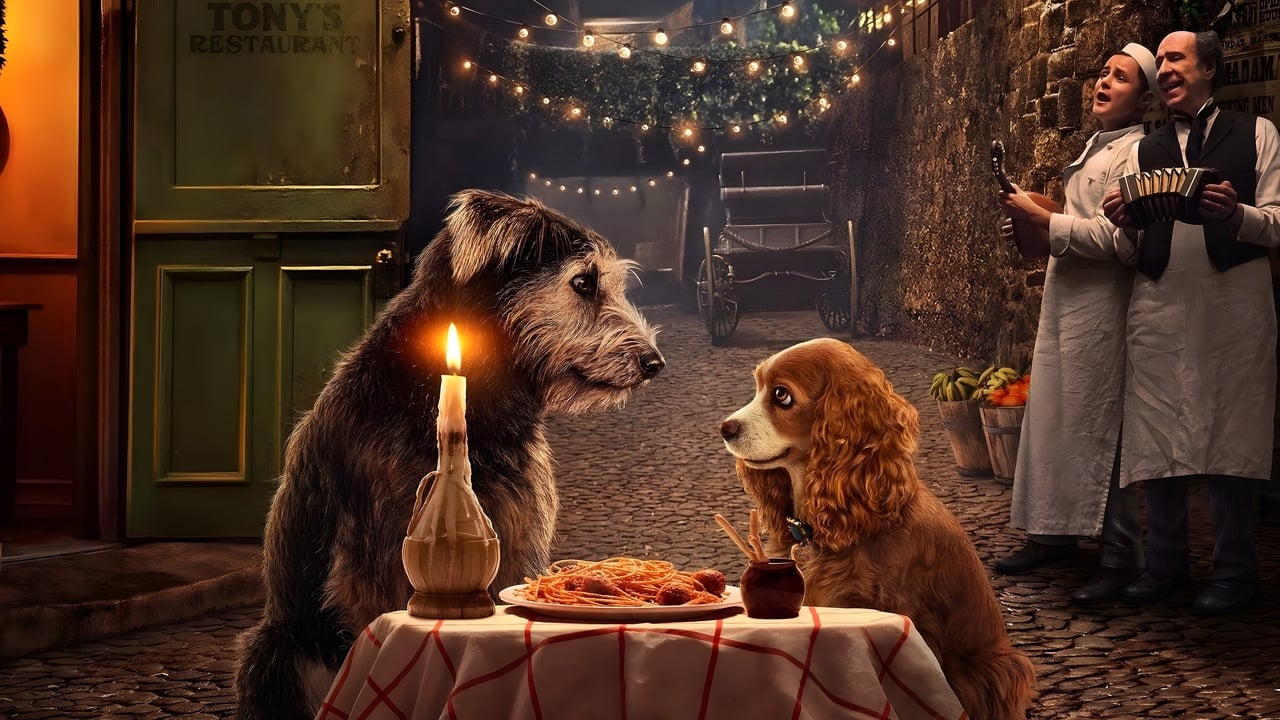
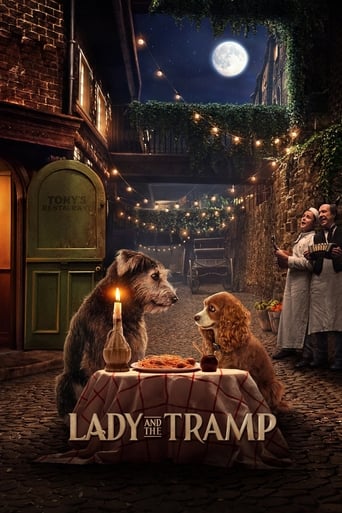
The two dogs form an unlikely bond as Tramp introduces Lady to the freedom (and dangers) of life without owners. Their romance blossoms over a shared plate of spaghetti at Tony's restaurant — a scene that remains the film's highlight. But their different worlds keep pulling them apart, especially when Lady's sense of responsibility clashes with Tramp's carefree philosophy.
What surprised me most was how much the baby subplot drives the story. The film spends more time on Lady adjusting to the new family dynamic than I expected. It's a smart choice that grounds the canine drama in real human emotions.
The third act rushes through some key emotional beats, but the central romance still lands. That final shot of the two dogs curled up together makes the whole thing worthwhile.
Direction & Cinematography
Charlie Bean, known for The LEGO Movie spin-offs, brings a workmanlike approach to this live-action remake. The film looks handsome, with warm golden-hour lighting that gives everything a storybook glow. But it rarely takes visual risks beyond what the animated original established.
One standout choice: Bean stages the famous spaghetti scene in a single unbroken take, letting the chemistry between the dogs (and their voice actors) carry the moment. The camera lingers on their awkward, sweet attempts to share the meal without words.
What struck me was how the direction changes when Lady hits the streets. The frame gets tighter, the lighting dimmer — you feel her disorientation. But the film quickly retreats to safer visual territory once the adventure kicks in.
Cast & Performances
Tessa Thompson's Lady balances primness with growing curiosity. Listen to how her voice softens when she first meets Tramp — you can hear the character's walls coming down. Justin Theroux makes Tramp more sarcastic than the original, landing some dry one-liners that adults will appreciate.
Ashley Jensen nearly steals the show as Scottish Terrier Jackie, delivering the film's funniest lines with perfect comic timing. Her reaction to the baby's arrival — 'Oh no, it's a rat!' — got the biggest laugh in my screening.
Kiersey Clemons and Thomas Mann feel underused as Darling and Jim Dear. Their performances are fine, but the script gives them little to do beyond worrying about Lady. I kept waiting for a scene that would make them feel like real people, not just plot devices.
Character Psychology
Lady wants to maintain her perfect domestic life, but what she needs is to accept that love isn't about control. Her arc works because the film shows her learning this through experience, not just being told.
Tramp's the opposite — he thinks he's free, but his loneliness betrays him. That moment when he quietly watches a family through a window tells you everything.
Themes & Emotional Depth
At its core, this is about learning to trust when life changes. Lady's fear of the baby mirrors how people resist disruptions to their routines. The spaghetti scene works because it shows two creatures letting their guards down — Tramp teaching Lady to slurp noodles is the film's purest expression of vulnerability.
The class divide between the dogs feels less pronounced than in the original. This version softens Tramp's rough edges, which makes their romance smoother but less interesting. What stayed with me was how the film suggests that both lifestyles — domestic and free — have their costs.
Memorable Scenes & Dialogue
The spaghetti scene remains magical. The way Lady tentatively takes a noodle, then gets bolder, perfectly captures first-date nerves. The lack of dialogue makes it better — the actors convey everything through breath and movement.
Another highlight: the pound escape sequence. The frantic camerawork and yelping sound design put you right in the dogs' panic. It's the one moment where the live-action format adds real intensity the cartoon couldn't match.
Less successful is the Siamese cat song sequence. The original's racist caricatures are gone, but what replaces them is just bland. The new cats feel like afterthoughts.
The Ending — Does It Deliver?
The ending ties things up a bit too neatly. After establishing real stakes, the resolution comes easily — I kept waiting for one last complication that never arrived.
That said, the final image of Lady and Tramp curled up together delivers the emotional payoff. It's sweet without being saccharine. What surprised me was how much I cared about these CGI dogs by the end.
What Works
The central romance still charms. Thompson and Theroux's vocal chemistry makes their scenes together sing. The production design creates a cozy, nostalgic America that feels lived-in. Small touches like Lady's collar jingling as she runs add authenticity. And the decision to focus on Lady adjusting to the baby gives the story emotional weight beyond the dog love story.
Honest Criticism
The supporting animal characters feel underdeveloped compared to the original. The rat chase subplot drags on too long without adding much. Worst offender: the new songs are instantly forgettable. When the film tries to recreate the animated version's musical magic, it falls flat.
How It Compares
Compared to the 1955 animated classic, this version loses some charm but gains warmth. The original's songs and stylized animation still outshine this remake, but the live-action dogs feel more tactile and real.
Next to other Disney live-action remakes, it's better than The Lion King but lacks the visual invention of The Jungle Book. The film plays it safest when it should take more risks.
Legacy & Cultural Impact
The film underperformed at the box office, earning $111 million against a $60 million budget — likely because it debuted on Disney+ the same day. Critics were mixed (67% on Rotten Tomatoes), praising the leads but finding the remake unnecessary.
It hasn't sparked much conversation since release, existing as a pleasant but forgettable entry in Disney's remake wave. The most lasting impact might be introducing Tessa Thompson to younger audiences.
Behind the Scenes
- The film used real shelter dogs as reference for the CGI characters' movements. 2. The spaghetti scene took three days to animate because of the complex noodle physics. 3. Originally set in the 1950s like the cartoon, the setting was changed to 1909 to differentiate the remake.
Who Should Watch It?
Families with young children will enjoy this most — it's gentle, pretty, and moves at a kid-friendly pace. Hardcore fans of the original may resent the changes. Viewers looking for Disney's live-action remakes to justify their existence should look elsewhere.
Final Verdict
This is a perfectly fine family film that does nothing exceptionally but nothing badly either. I'd recommend it for a cozy movie night with kids, not for cinephiles seeking reinvention. The 8.2 rating reflects how it surpasses expectations for a direct-to-streaming production. Ultimately, it's worth watching for that spaghetti scene alone — one of Disney's most iconic moments gets the respectful update it deserves.
More details, ratings, and cast information on IMDb, TMDB, Wikipedia. YouTube