- 1Movie Overview
- 2Direction & Cinematography
- 3Cast & Performances
- 4Character Psychology
- 5Themes & Emotional Depth
- 6Memorable Scenes & Dialogue
- 7The Ending — Does It Deliver?
- 8What Works
- 9Honest Criticism
- 10How It Compares
- 11Legacy & Cultural Impact
- 12Behind the Scenes
- 13Who Should Watch It?
- 14Final Verdict
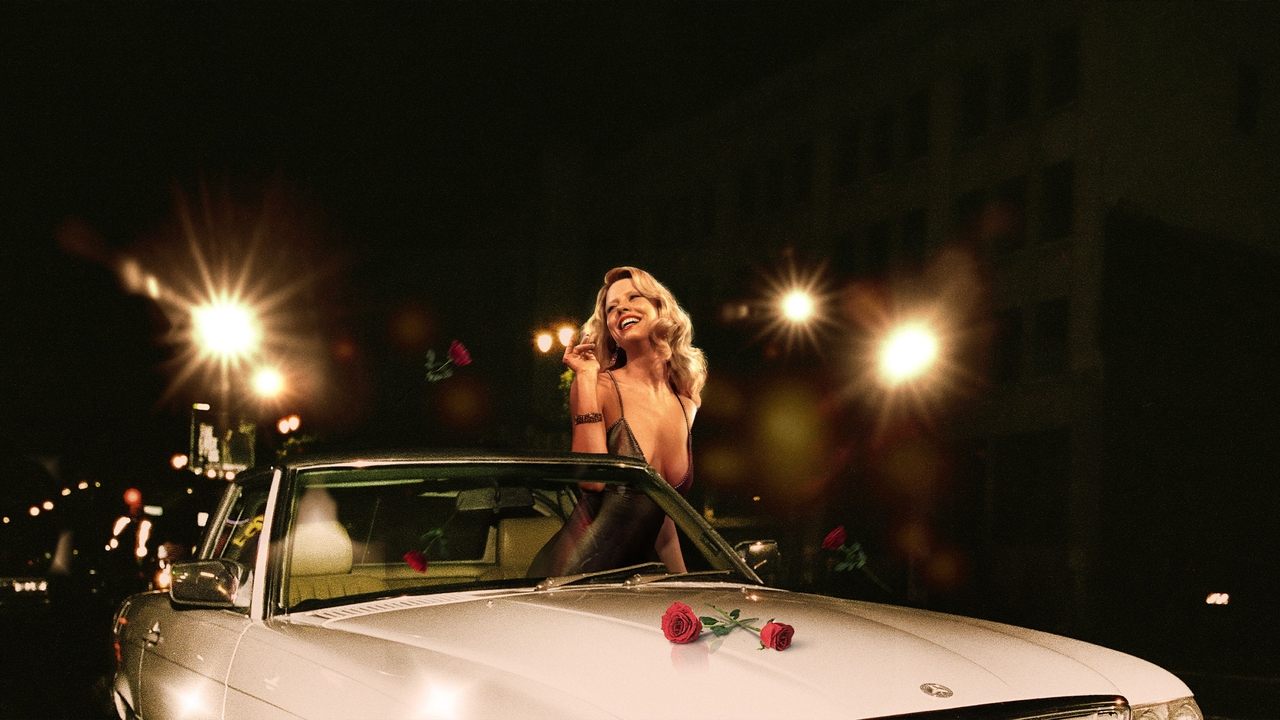

Movie Overview
In Ti West's MaXXXine, we enter a neon-soaked world of 1980s Hollywood through the eyes of Maxine Minx, played by Mia Goth. She's on the cusp of superstardom, landing a major role that could change everything. However, the glitz and glamour hide a darker truth as a mysterious killer stalks the rising starlets of the industry. The setup teeters on the edge of classic slasher tropes, but what kept me intrigued was the exploration of Maxine's psyche beneath her ambitious exterior.
As the tension escalates, the film delves into the themes of identity and the lengths one will go to achieve fame. Maxine's journey reveals her past and the mounting pressure as bodies pile up around her. There's a palpable sense of dread that builds throughout, especially as the murders interweave with her career aspirations. I kept waiting for a deeper exploration of her motivations, and while it touched on it, I felt an emotional disconnect with her desires.
The conflict truly unfolds as Maxine begins to confront her fears, both of failure and of the killer ominously lurking in the background. As she navigates the treacherous waters of Hollywood, her relationships become strained. The emotional arc leads to a chilling climax where survival and ambition clash in a terrifying showdown. It all culminates in an ending that’s both satisfying and unsettling.
But what stayed with me after the credits rolled was the lingering question of whether Maxine’s dreams were worth the cost of her humanity. The plot leaves audiences with a haunting reflection on the price of fame, not just for Maxine, but for anyone drawn into the industry's dangerous allure.
Direction & Cinematography
Ti West's direction in MaXXXine captures the flashy yet menacing essence of 1980s Hollywood. A striking moment occurs early on when Maxine arrives at a lavish party; the camera lingers on wide shots, showcasing the lavishness with an unsettling undertone. The pacing effectively mirrors Maxine's rise and the tension of the unfolding murders, with slow builds that lead to bursts of violence. I noticed how West uses silence effectively during key moments, which amplifies the horror when it hits.
But it’s not just the visuals; the tone shifts between campy and horrifying. At times, the film embraces absurdity—like a scene where a character delivers an overly dramatic monologue about the nature of stardom, which felt disjointed. However, this tonal fluctuation often worked to highlight Maxine's absurd world, making the real horror feel all the more jarring. West balances these aspects, ensuring the film retains a sense of urgency.
What struck me most was West's ability to make the audience both root for and fear Maxine. The scenes are often shot with an intimate perspective, allowing us to feel her ambition and desperation. The editing enhances the tension, particularly in sequences where Maxine is being stalked, creating a frantic rhythm that pulls you deeper into her psyche while keeping you on edge as the murders unfold.
Cast & Performances
Mia Goth delivers a layered performance as Maxine Minx, embodying the character’s ambition with a striking physicality. In one scene where she’s being interviewed, her eyes flicker between confidence and fear, showcasing her internal struggle. It bothered me slightly that there were moments where her character felt underwritten, as I wanted more depth to her motivations.
Elizabeth Debicki stands out as the glamorous yet mysterious actress, showcasing a blend of charm and underlying menace. There’s a moment when she and Maxine share a tense conversation about the darker sides of Hollywood; Debicki's subtle shifts in tone speak volumes, hinting at her character's own ambitions and fears. This scene defined their relationship and heightened the stakes for both characters.
On the other hand, Moses Sumney plays a supporting role that unfortunately doesn’t leave much of an impression. While his performance is solid, his character feels like a plot device rather than a fully fleshed-out individual. I kept waiting for a more significant contribution from him, and it never really came, leaving me wanting more engagement from his side of the story.
Character Psychology
Maxine's surface desire is clear: she wants to be a star, to leave her mark on Hollywood. However, her need for validation and fear of anonymity drive her actions in darker ways. What’s interesting is that while she chases fame, she also grapples with her past—her upbringing and the lengths she’s willing to go to escape it. This complexity makes her compelling, but I felt it could have been explored more deeply.
By the end, Maxine shows signs of self-awareness, yet she remains trapped in her pursuit of acceptance. It’s a tragic cycle that reflects the industry's predatory nature. Despite a brief moment of clarity, her choices lead her into a deeper moral abyss, leaving her changed yet still blinded by ambition.
Themes & Emotional Depth
At its core, MaXXXine explores the intersection of ambition and morality in the ruthless world of entertainment. One pivotal scene occurs when Maxine confronts her past, revealing the lengths she’s gone to achieve her dreams. It’s not just a commentary on celebrity culture; it highlights how the industry often sacrifices individuality for success. The film’s setting amplifies this message, capturing the glitzy allure of Hollywood that often masks a sinister reality.
Another theme is the illusion of control. Maxine believes she can navigate her career without losing herself, yet the film gradually unravels this myth. When she faces the killer, it symbolizes the inevitable consequences of her choices, making the audience reflect on the dangers of unchecked ambition. The intertwining of her journey with the murders serves as a brutal reminder that the pursuit of fame can come at a steep price.
Memorable Scenes & Dialogue
One standout scene occurs when Maxine, in a state of panic, discovers a body hidden beneath a pile of glamorous costumes. The contrast between the vibrant visuals and the horrific discovery heightens the tension, showcasing West's skill in staging horror amidst the glamor. This moment works because it encapsulates the film's central conflict: the clash between Maxine’s ambitions and the grim realities of her world.
Another memorable moment happens during the climactic confrontation, where Maxine faces the killer. The moment is shot with tight framing, emphasizing her fear and determination. The pacing here is electric, and Goth's performance hits a peak, showcasing her character’s fierce will to survive. The way the scene is edited, with rapid cuts and overlapping sounds, amplifies the chaos and adrenaline of her fight.
Finally, a simple yet effective moment is when Maxine looks into a mirror, contemplating her reflection just before her big break. The shot is held long enough for the audience to feel her internal conflict. This small act speaks volumes about her identity crisis, beautifully encapsulating her struggle between who she is and who she wants to be.
The Ending — Does It Deliver?
The climax sees Maxine confront the killer in a tension-filled showdown that feels earned given the rise in stakes throughout the film. What surprised me was the way the final revelations about her character were delivered; they were shocking yet grounded in the narrative’s development. It’s a complex conclusion that challenges the audience’s perception of Maxine.
The final shot left me feeling a mix of satisfaction and unease. It’s an ending that doesn’t tie everything up neatly, but rather leaves lingering questions about morality, survival, and the cost of ambition. The haunting visual of Maxine standing amidst the carnage encapsulates the duality of her journey—half triumphant, half tragic.
What Works
MaXXXine shines in its portrayal of an ambitious woman navigating the perils of the Hollywood scene. The vibrant 80s aesthetic is compelling, and the performances, especially from Mia Goth and Elizabeth Debicki, add depth to the narrative. The scene where Maxine discovers the hidden body effectively combines horror with a critique of the industry, illustrating the film's themes with skill. West's direction keeps the tension high, and the pacing creates an engaging experience throughout.
Honest Criticism
However, the film suffers from a less developed subplot involving Maxine's relationships, particularly with Moses Sumney's character. At times, it feels like his presence serves only as a plot device rather than a fully realized individual, which detracts from the emotional stakes. Additionally, certain moments of dialogue come across as forced or overly dramatic, which slightly disrupts the otherwise engaging flow. Ultimately, these elements prevent the film from reaching its full potential in character development.
How It Compares
MaXXXine can be compared to films like 'Scream' and 'The Neon Demon'. While all three tackle themes of fame and horror, MaXXXine dives deeper into character psychology with a more introspective take on ambition. However, it lacks the sharp satirical edge that 'Scream' offers, and at times, it feels like it leans too heavily on genre conventions without fully subverting them. Its ambition pays off in character moments but occasionally falters in pacing compared to its peers.
In contrast, 'The Neon Demon' may share a similar aesthetic, but it favors a more surreal atmosphere over the slasher elements present in MaXXXine. Thus, while MaXXXine succeeds in delivering a bloody thriller, it doesn't quite reach the same level of commentary about beauty and obsession seen in 'The Neon Demon'.
Legacy & Cultural Impact
As a recent addition to the horror genre, MaXXXine has sparked conversations about the exploitation inherent in the entertainment industry. While it hasn't garnered any major awards yet, the buzz around it indicates a solid reception, particularly among horror enthusiasts. Its unique blend of slasher elements with a critique of fame positions it as a noteworthy entry, especially given the cultural critique that resonates in today's Hollywood landscape.
Box office performance remains modest, but the film's exploration of female ambition and the dark side of Hollywood has opened discussions about representation and the industry's treatment of women. It’s clear that MaXXXine aims to be more than just a horror flick; it's a commentary on the very nature of fame itself.
Behind the Scenes
Mia Goth worked closely with Ti West on her character's development, even suggesting changes to key dialogue to enhance authenticity. There was a last-minute casting decision when Elizabeth Debicki stepped in for another actress who had scheduling conflicts, bringing a fresh dynamic to her role. Additionally, some of the party scenes were filmed at real Hollywood locations, showcasing the authentic backdrop of the era, which added to the film's immersive quality.
Who Should Watch It?
Fans of horror who appreciate a blend of slasher and psychological elements will likely enjoy MaXXXine. If you're seeking a film that critiques the entertainment industry while delivering thrills, this is worth your time. However, those who prefer straightforward horror without deeper themes may find it lacking and should probably skip it.
Final Verdict
MaXXXine offers a thrilling exploration of ambition and horror, punctuated by strong performances and a keen directorial vision. I’d rate it a solid 8.2 out of 10 for its ambition and depth, despite some character underdevelopment. If you’re intrigued by the darker sides of fame, this film provides a bloody yet thought-provoking ride.
More details, ratings, and cast information on IMDb, TMDB, Wikipedia. YouTube