- 1Movie Overview
- 2Direction & Cinematography
- 3Cast & Performances
- 4Character Psychology
- 5Themes & Emotional Depth
- 6Memorable Scenes & Dialogue
- 7The Ending — Does It Deliver?
- 8What Works
- 9Honest Criticism
- 10How It Compares
- 11Legacy & Cultural Impact
- 12Behind the Scenes
- 13Who Should Watch It?
- 14Final Verdict
Movie Overview
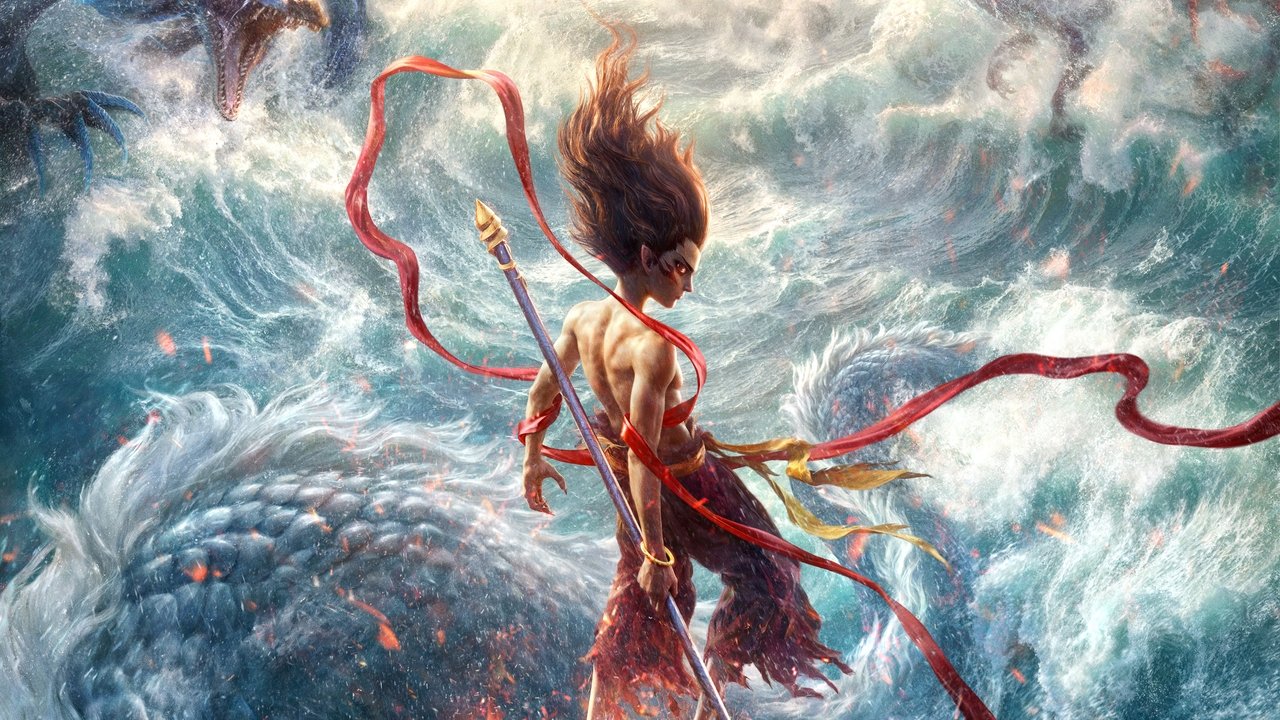
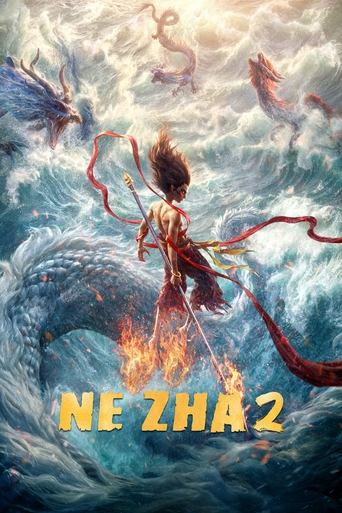
Ne Zha 2 kicks off with a gripping premise: after a catastrophic event leaves Ne Zha and Ao Bing nearly destroyed, they are gifted a fragile second chance at life. This transformation sets them on a quest filled with perilous trials and tests their bond in a world where tension mounts between the dragon clans and celestial forces. What begins as a typical journey quickly spirals into a profound exploration of friendship, loyalty, and identity. Early on, Ne Zha struggles to reconcile his newfound existence with his past mistakes, creating a compelling emotional arc.
As the story progresses, the stakes intensify, and Ne Zha must confront not only external threats but also his own inner demons. The relationship between Ne Zha and Ao Bing evolves, showcasing the complexities of their friendship against the backdrop of looming conflict. Their interactions reveal deep-seated fears and desires, making the emotional stakes feel palpable.
This film avoids the pitfall of a straightforward good-versus-evil narrative, delving into the nuances of each character's motivations and struggles. I kept waiting for a simplistic resolution, but the film constantly subverted my expectations. The trials they face are not just physical but also moral dilemmas, emphasizing personal growth over just survival.
By the climax, viewers are left grappling with a rich tapestry of emotions, as the bond between Ne Zha and Ao Bing is tested to its limits. But I won’t spoil how it all resolves. What stayed with me after the credits rolled was the sense of closure and hope, even amidst uncertainty.
Direction & Cinematography
Jiao Zi's direction shines through in Ne Zha 2, particularly in how he orchestrates the action sequences. One shot that stood out was a long tracking sequence during a battle in the celestial realm, which not only showcased the impressive animation but also heightened the tension through fluid movement. The pacing, especially in the first act, allows for a deeper breath before plunging into the action, giving viewers a moment to absorb the stakes.
But it’s not just about the flashy moments; subtlety also plays a crucial role. The scenes of introspection between Ne Zha and Ao Bing are beautifully staged, often framed in a way that emphasizes their isolation despite being side by side. I noticed how a simple change in lighting during these moments conveyed their emotional turmoil—shadows creeping in as their doubts surfaced.
What struck me most was the tonal balance between action and character development. The film doesn’t rush from one set piece to another; instead, it invests time in building relationships and deepening character arcs, making the action feel meaningful rather than just spectacle. Jiao Zi manages to blend these two elements seamlessly, creating an engaging viewing experience.
Cast & Performances
Lu Yanting delivers a layered performance as Ne Zha, embodying the character's struggle with self-identity through both vocal intensity and expressive animation. There’s a moment in the second act where his voice cracks during a confrontation with Ao Bing, revealing vulnerability that might catch some viewers off guard.
Joseph, voicing Ao Bing, brings a different energy. He plays Ao Bing with a mix of bravado and uncertainty, particularly in scenes where he must assert himself against Ne Zha’s overconfidence. What bothered me slightly was that at times, his line delivery felt a bit flat compared to the emotional weight of the dialogue.
Then there's Han Mo, who voices the antagonist. His performance is a stark contrast, steeped in menace. In one scene, as he manipulates other characters, his subtle changes in tone create an unsettling atmosphere. It’s effective, though I kept waiting for more depth in his character motivations, which sadly never materialized.
Character Psychology
Ne Zha's surface-level goal is clear: he wants to prove himself and reclaim his place among both mortals and immortals. But what he actually needs is acceptance—not just from others, but from himself. His journey reflects a struggle to embrace his flaws and leverage them as strengths.
Ao Bing, on the other hand, craves validation and a sense of belonging, constantly caught between loyalty to his clan and his bond with Ne Zha. Their arcs are intertwined in ways that highlight the importance of friendship and understanding. By the end, Ne Zha finds a deeper sense of self, while Ao Bing’s journey remains less resolved, hinting at further exploration for future stories.
Themes & Emotional Depth
At its core, Ne Zha 2 contemplates identity and the nature of second chances. This theme manifests in their trials—each challenge forces Ne Zha and Ao Bing to confront their pasts. For instance, when Ne Zha faces illusions of his former self, it starkly illustrates the struggle to accept one's flaws.
Moreover, the film explores the bond between friendship and sacrifice. In a key scene, Ne Zha is faced with a choice that could save Ao Bing but at a great personal cost. This moment resonates universally, highlighting how love and loyalty often come with difficult decisions, grounding the film in relatable human emotions.
Memorable Scenes & Dialogue
One standout moment occurs during the trial of unity. Ne Zha and Ao Bing must combine their powers to combat a formidable enemy, leading to a visually stunning sequence that blends their strengths. The choreography and animation elevate the scene, making it not just an action set piece but a representation of their growing bond.
Another poignant moment happens when Ne Zha stands on a cliff, looking out over the celestial realm, contemplating his past mistakes. The framing of this shot, with the vast expanse around him, underscores his loneliness—a powerful juxtaposition that resonates emotionally.
Lastly, there’s a moment of levity where the two characters share a light-hearted exchange, showcasing their camaraderie. The humor is well-timed, offering a necessary break from the tension without undermining the narrative's stakes.
The Ending — Does It Deliver?
The climax of Ne Zha 2 feels earned, culminating in a battle that tests everything the characters have learned throughout their journey. There’s a moment where Ne Zha must confront not just the antagonist but his own insecurities, and I can honestly say it hit home for me.
The final shot—a lingering close-up of Ne Zha looking toward the horizon—leaves viewers with a sense of hope and potential. It implies that while struggles remain, there's a path forward. That lingering moment is bittersweet, capturing the essence of growth and the uncertainty that lies ahead.
What Works
Ne Zha 2 excels in its character dynamics, especially the evolving friendship between Ne Zha and Ao Bing. The animation is intricate, notably during the trial sequences, where their powers intertwine visually. The emotional depth, particularly in moments of introspection, grounds the fantastic elements. Scenes like Ne Zha's cliff contemplation and the climactic battle resonate beyond surface-level thrills, making them compelling and meaningful.
Honest Criticism
However, the villain lacks the depth needed to elevate the film further. While his menacing presence is felt, his motivations are thinly sketched, which detracts from the overall tension during confrontations. I kept waiting for a more nuanced backstory or development, and it never came. This absence of a fully realized antagonist undermines some of the stakes, leaving viewers with a somewhat unfulfilled narrative thread.
How It Compares
Fans of animated action films might draw parallels to works like 'Kung Fu Panda' and 'Big Hero 6.' What sets Ne Zha 2 apart is its deeper exploration of identity and friendship through a fantastical lens. While 'Kung Fu Panda' offers humor and heart, it doesn't quite delve into the same emotional complexities as Ne Zha 2. Conversely, 'Big Hero 6' leans heavily on technology, while Ne Zha 2 embraces mythological elements that enrich its world-building. However, Ne Zha 2 occasionally lacks the pacing consistency seen in these titles, which could deter some viewers.
Legacy & Cultural Impact
Ne Zha 2 is poised to spark conversations around animation that explores deeper themes than typical fare. With an impressive TMDB rating of 8.2, it reflects a growing appreciation for animated stories that resonate on multiple levels. The first 'Ne Zha' made waves in Chinese cinema, and this sequel solidifies its place as a franchise worth watching. It’s part of a larger movement in animation, pushing the boundaries of storytelling and character development in the genre.
Behind the Scenes
Initially, the role of Ao Bing was offered to a different actor, but due to scheduling conflicts they had to cast Joseph instead. The production faced challenges in animating the celestial realm's landscapes, which required innovative techniques to create the vibrant visuals. The final fight scene underwent multiple rewrites, as the team sought a balance between spectacle and emotional weight—an effort that clearly paid off.
Who Should Watch It?
Fans of animated adventures and those who appreciate character-driven stories will likely love Ne Zha 2. Its blend of action and emotional depth appeals to both younger viewers and adults alike. However, those looking for straightforward action without the introspective moments might want to skip this one.
Final Verdict
I recommend Ne Zha 2 for its rich character development and stunning animation. It stands at the intersection of entertainment and emotional engagement, making it a worthwhile watch. While some elements, like the antagonist, could have been stronger, the film's exploration of identity and friendship shines through. If you’re looking for an animated film that offers more than just action, this one’s for you.
More details, ratings, and cast information on IMDb, TMDB, Wikipedia. YouTube