- 1Movie Overview
- 2Direction & Cinematography
- 3Cast & Performances
- 4Character Psychology
- 5Themes & Emotional Depth
- 6Memorable Scenes & Dialogue
- 7The Ending — Does It Deliver?
- 8What Works
- 9Honest Criticism
- 10How It Compares
- 11Legacy & Cultural Impact
- 12Behind the Scenes
- 13Who Should Watch It?
- 14Final Verdict
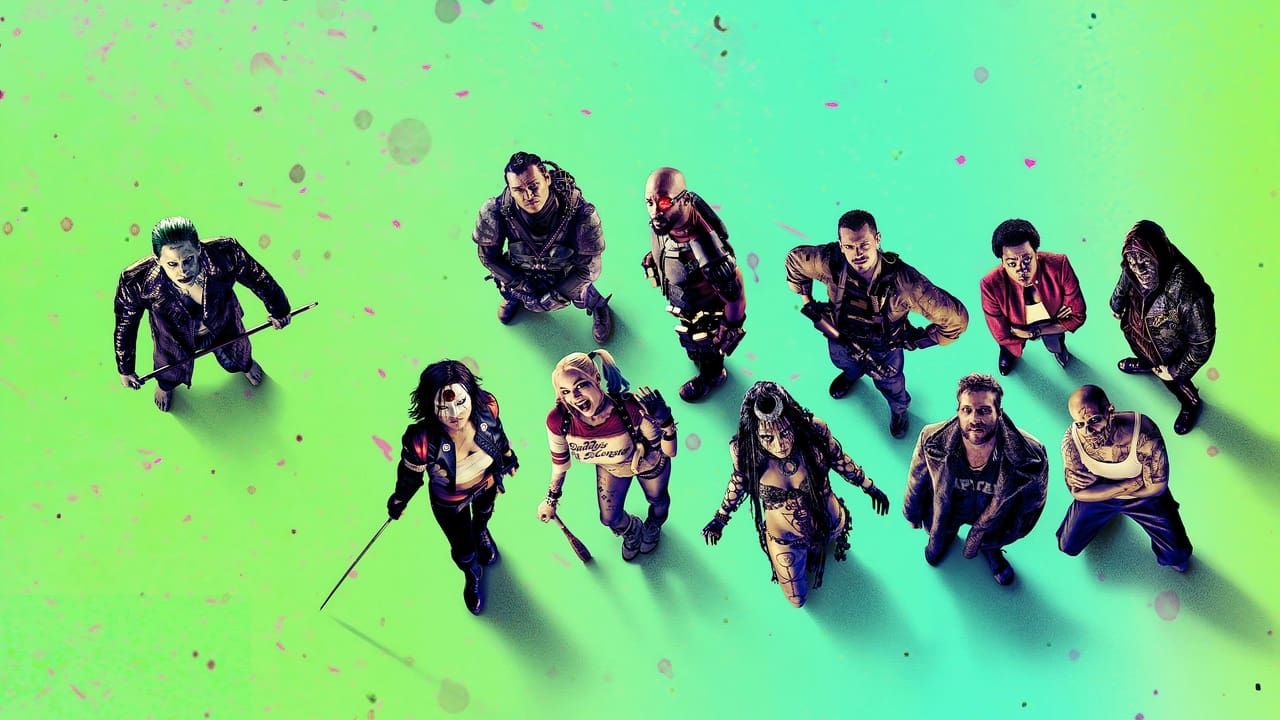
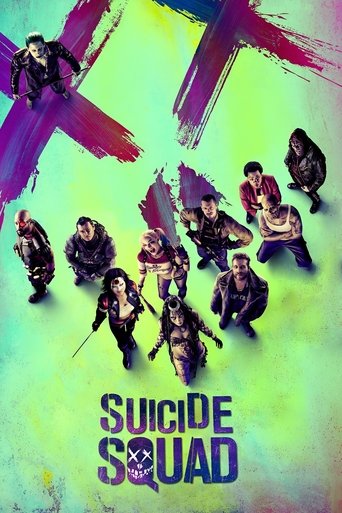
- Genre: Action, Adventure, Fantasy
- Director: David Ayer
- Year: 2016
- Runtime: 2h 2m
- Language: English (EN)
- TMDB Rating: ⭐ 5.9/10
Movie Overview
In DC's Suicide Squad, Amanda Waller (Viola Davis) assembles a team of villains from Belle Reve Penitentiary for a classified mission. Dealing with threats that the government can't officially acknowledge, she recruits Deadshot (Will Smith), Harley Quinn (Margot Robbie), and others, promising them reduced sentences in exchange for their cooperation. This setup offers a tantalizing premise: a ragtag group of antiheroes forced to work together despite their conflicting personalities. But as they face a supernatural enemy led by the Enchantress (Cara Delevingne), the cracks in their collaboration begin to show.
What stayed with me after the credits rolled was how this film tries to balance humor, action, and character development, though it often falters. The group dynamic is interesting, especially with the clear tensions between the seasoned assassin Deadshot and the unpredictable Harley Quinn, who brings both charm and chaos. But as their mission shifts into high gear, the film struggles to maintain its tone, oscillating between dark humor and more serious themes. I kept waiting for a deeper exploration of their motivations, and it never quite arrived.
The narrative takes several jarring turns, particularly with the Enchantress subplot, which feels tacked on rather than integral to the team’s journey. The stakes seem to rise and fall at random, leading to muddled emotional arcs that often undermine the urgency of their mission. There are moments of potential — like the camaraderie formed in battle — but they are overshadowed by pacing issues, especially in the second act.
Ultimately, while the film intends to show how these broken individuals find some form of connection, its execution leaves much to be desired. Those expecting a cohesive character study will likely be disappointed, as the action overshadows character moments, creating an uneven viewing experience.
Direction & Cinematography
David Ayer directs Suicide Squad, and his signature style is evident in the film’s gritty visuals. The opening sequence, which introduces each character with a flashy montage, sets a fast-paced tone that feels reminiscent of his earlier work in Fury. The cinematography captures the chaotic energy of the characters, particularly during the action scenes, where the camera often spins and swirls in tandem with the frenetic combat. But it bothered me slightly that these stylistic choices can sometimes distract from the narrative itself.
Pacing is a significant issue; the film’s first act zips along, but the middle bogs down with awkward tonal shifts, particularly when it attempts to delve into character backstories. I noticed how some segments felt rushed, like the scenes establishing Harley Quinn's backstory, which should have been more profound, given her pivotal role. The tonal inconsistencies make it hard to gauge whether Ayer wanted a serious character piece or a lighthearted romp.
What surprised me most was Ayer’s commitment to the chaotic nature of the Squad, reflected in how he concocts an aesthetic that mirrors their fractured psyches. The film thrives in the moments of banter between characters, capturing their distinct personalities. Despite its flaws, it’s clear that Ayer wanted to craft something unique within the superhero genre — even if it ultimately stumbles over its ambition.
Cast & Performances
Will Smith as Deadshot brings undeniable charm and intensity to the role. His delivery of lines often straddles the line between anger and humor, especially when he says, "I’m not ready to die. I’m just getting started." That line reading showcases his ability to ground the character in both levity and seriousness. However, I wasn’t expecting much from his character's emotional arc, which felt somewhat underdeveloped compared to others.
Margot Robbie as Harley Quinn undoubtedly steals the show with her unpredictable energy. In several scenes, she oscillates between playfully flirting and fiercely attacking, particularly when she battles Enchantress's minions. Her physicality in the role is captivating, especially during the standout scene where she wields a baseball bat with glee. Yet, I kept waiting for more depth to her relationship with the Joker — portrayed by Jared Leto — but it never fully materializes, leaving her character feeling a bit one-dimensional at times.
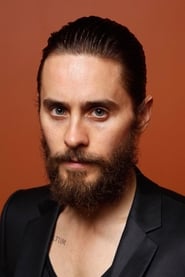
Jared Leto’s Joker is a divisive portrayal that leans heavily into the character’s madness. His laugh and erratic choices are memorable, especially in scenes where he confronts Harley. But that performance didn’t land for me; I found it overly theatrical, lacking the nuanced menace present in previous iterations. The film spends too little time developing his connection to Harley, making it hard to buy into their toxic relationship, which could have been a compelling thread.
Character Psychology
Deadshot seeks recognition and redemption, wanting to be a father to his daughter while navigating his violent past. However, he often masks his vulnerability with bravado, which prevents him from truly connecting with others. He’s not entirely self-aware, showing glimpses of depth but ultimately failing to evolve significantly by the film’s end.
Harley Quinn’s desire for freedom and love drives her actions, yet what she needs is self-identity apart from the Joker. Her infatuation clouds her judgment, causing her to remain ensnared in toxic relationships. While there are hints of her independence, she doesn’t quite break free from her past, which is both frustrating and fitting for her character.
Themes & Emotional Depth
Beneath the chaos, Suicide Squad explores themes of redemption and the struggle for belonging among misfits. The characters, viewed as criminals, are afforded a chance to prove themselves, highlighting the complexity of their identities. For instance, Deadshot’s yearning to reclaim his role as a father underscores the idea that even those labeled as villains can harbor good intentions.
Another theme is the nature of loyalty, especially illustrated through Harley's relationship with the Joker. Her willingness to sacrifice her autonomy for what she perceives as love raises questions about toxic relationships and manipulation. The film hints at the cost of misplaced loyalty, particularly when Harley’s choices lead to dire consequences, though it often sidesteps deeper exploration in favor of action.
Memorable Scenes & Dialogue
One standout moment occurs during the bar scene where the Squad members first bond over their shared experiences. The staging is tight, with characters physically close, emphasizing their togetherness despite their differences. This moment works because it effectively showcases how humor can act as a coping mechanism for them, providing a brief respite from their darker pasts.
Another memorable scene is when Harley confronts the Enchantress’s minions, displaying her acrobatic skills while using a bat as a weapon. This scene works particularly well due to Margot Robbie’s commitment to the physicality of the role and the vibrant colors and music that infuse it with energy, setting the tone for the chaos to come.
Lastly, the pivotal moment where Deadshot decides to save the team instead of his own interests captures his internal conflict perfectly. This choice highlights his growth and the potential for redemption, offering a glimpse of emotional depth amid the film's chaos.
The Ending — Does It Deliver?
The climax features an over-the-top showdown against the Enchantress, though it struggles to feel earned given the rushed buildup. While the tension escalates, the final battle lacked the emotional stakes it needed, leaving me more entertained than moved. The resolution of character arcs feels somewhat superficial, particularly Harley's
The final shot, showing the characters finally acknowledging their power, left me slightly bewildered. There’s a sense of triumph, yet a nagging feeling of unresolved arcs lingered. I appreciated the film's intention to craft a redemptive ending, but it didn’t quite deliver the emotional payoff I was hoping for.
What Works
What works in Suicide Squad are the moments of character interplay, especially during bar scenes and action sequences. Margot Robbie's portrayal of Harley Quinn shines through her blend of charm and danger, giving the film a much-needed heartbeat. The vibrant visuals and eclectic soundtrack also add an energetic layer, especially during high-action scenes, like when she faces off against Enchantress's minions. There are flashes of emotional depth, particularly in Deadshot's relationship with his daughter, which elevate certain moments.
Honest Criticism
The major subplot involving the Enchantress feels entirely superfluous, detracting from the central character dynamics. Her character's motivations seem almost nonsensical, and the climax becomes overly reliant on CGI, despite the otherwise intriguing premise. The film could have gained more from focusing on the antiheroes’ interactions rather than introducing a convoluted villain, leading to a less engaging experience overall.
How It Compares
Suicide Squad reminds me of films like Guardians of the Galaxy and The Dirty Dozen, but where it falters is in coherence and character development. Guardians capitalizes on humor and character bonding, maintaining a balanced tonal approach that this film lacks. While both rely on a team of misfits, Suicide Squad fails to cultivate a strong emotional connection among its characters.
In comparison to The Dirty Dozen, which is a structured mission film, Suicide Squad feels more chaotic and unfocused. It loses some of the grounded stakes that made the former work, leading to a less satisfying narrative arc overall.
Legacy & Cultural Impact
Upon its release, Suicide Squad received mixed reviews, holding a 26% score on Rotten Tomatoes, which indicates a challenging reception. However, it was commercially successful, grossing over $746 million worldwide against a budget of $175 million. Its legacy lies in the ongoing conversation about how comic book films handle antiheroes and the balance between humor and darkness, influencing later films like Birds of Prey and The Suicide Squad (2021).
Behind the Scenes
Rumors suggest Jared Leto sent used condoms and a dead rat to his co-stars to get into character as the Joker, which contributed to his controversial portrayal. Additionally, much of the film was re-edited after negative reactions to early screenings, leading to inconsistencies in tone and coherence. The character of Enchantress was originally intended to be voiced by a different actress, but Delevingne was cast in a last-minute decision that altered the film's direction.
Who Should Watch It?
Fans of comic book adaptations and action-packed films with a sense of humor will likely enjoy this chaotic ride. However, viewers who prefer depth in character development should probably skip it, as the film leans heavily on spectacle over coherence.
Final Verdict
Suicide Squad is a mixed bag that features memorable characters and moments but ultimately stumbles over its ambition. While it offers entertaining chaos and a unique take on antiheroes, it struggles with coherence and character development. If you're looking for a fun, if flawed, superhero flick, this might be worth your time — just don't expect a tightly woven narrative.
More details, ratings, and cast information on IMDb, TMDB, Wikipedia. YouTube