- 1Movie Overview
- 2Direction & Cinematography
- 3Cast & Performances
- 4Character Psychology
- 5Themes & Emotional Depth
- 6Memorable Scenes & Dialogue
- 7The Ending — Does It Deliver?
- 8What Works
- 9Honest Criticism
- 10How It Compares
- 11Legacy & Cultural Impact
- 12Behind the Scenes
- 13Who Should Watch It?
- 14Final Verdict
- Genre: Action, Crime, Thriller
- Director: Ric Roman Waugh
- Year: 2026
- Runtime: 1h 47m
- Language: English (EN)
- TMDB Rating: ⭐ 7.6/10
Movie Overview
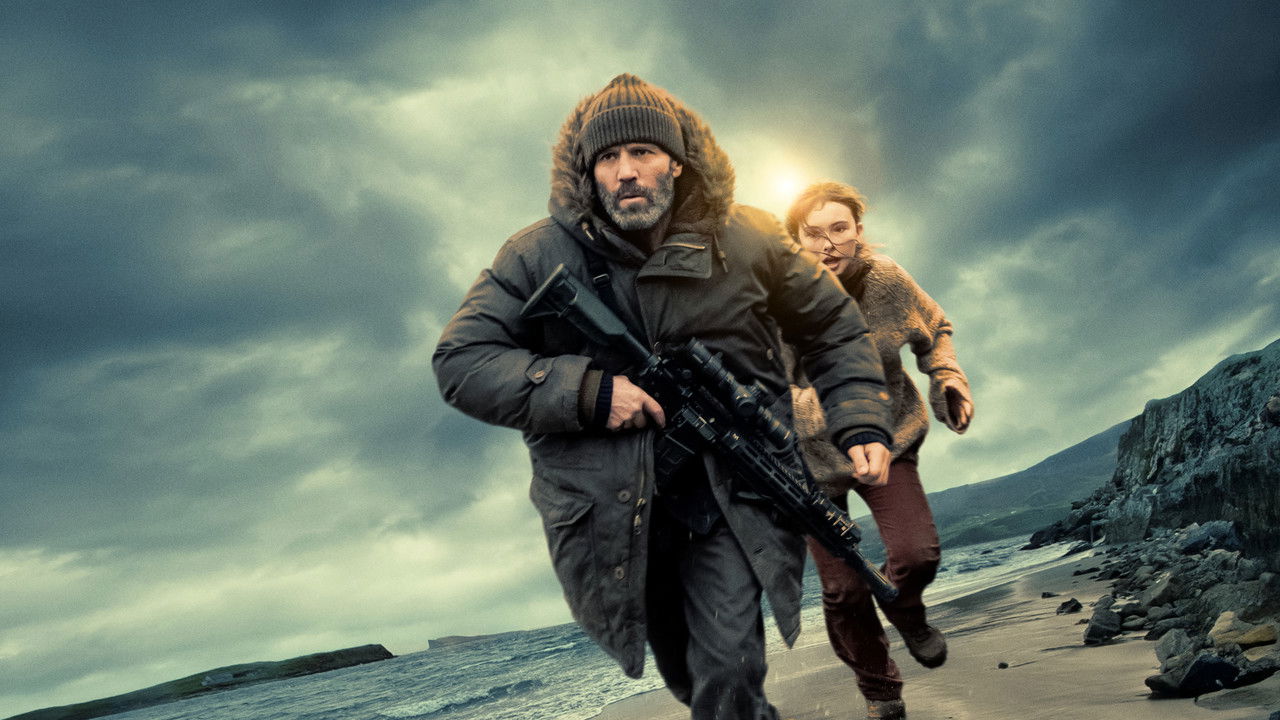
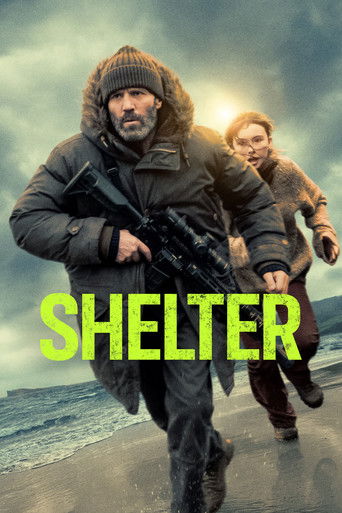
‘Shelter’ opens with a haunting image: a man, Gabriel (Jason Statham), alone on a remote island, lives in isolation, haunted by the choices that led him there. As a violent storm approaches, he rescues a young girl named Mia (Bodhi Rae Breathnach) from a shipwreck, sparking an unlikely bond between them. Their connection serves as a lifeline for Gabriel, but it's soon clear that her presence unearths dangers tied to his shadowy past. Events spiral as enemies, linked to past transgressions, close in, forcing Gabriel to confront the person he used to be.
The conflict escalates when Gabriel learns that the storm isn't the only force threatening Mia. Flashbacks reveal snippets of his past life in crime, hinting at a dangerous adversary who won't let them go easily. As the tension mounts, the film combines emotional stakes with action-packed sequences, from heart-pounding escapes to moments that reveal Gabriel's fragile humanity. What surprised me most was how effectively the film balances these emotional arcs against its thriller elements.
The emotional arc culminates when Gabriel must choose between further isolation or embracing a protective role for Mia. This choice leads to a gripping finale where the stakes skyrocket, leaving the audience breathless as loyalties are tested. But beyond just a rescue mission, the film becomes a powerful commentary on redemption and the lengths one will go to protect those they love. I found myself invested not just in the action, but in Gabriel's journey towards self-acceptance.
In its final act, the narrative takes a darker turn as Gabriel's past violently collides with his present. The urgency to protect Mia becomes a fight against both external threats and his inner demons. With a runtime of 107 minutes, the pacing stays taut, but there are moments where it feels like the film could have explored the emotional side of the characters a bit deeper, especially Mia's struggles.
Direction & Cinematography
Ric Roman Waugh's direction in ‘Shelter’ is a blend of stark realism and high-octane action. One shot that stood out to me is the way he captures Gabriel's isolation with wide shots of the island contrasted against the claustrophobic interiors of his home. This visual choice emphasizes both his physical and emotional distance from the world. The framing often mirrors Gabriel's state of mind; when he saves Mia, the camera closes in, focusing on their faces to establish a growing connection.
Pacing is critical in a film like this, and Waugh understands how to maintain tension. The first half unfolds slowly, immersing us in Gabriel's contemplative life, while the second half accelerates into relentless action — a stark shift that heightens emotions and stakes. But I noticed that this shift in tone can feel jarring at times, as the quieter moments sometimes leave little room for the excitement that follows.
And while Waugh delivers on thriller conventions, there are scenes that could have benefitted from deeper exploration of the characters' emotions. The tone occasionally swings too heavily toward action, with some moments lacking the weight they deserve. I kept waiting for certain emotional beats to land more powerfully, and they just didn't quite reach their potential.
Cast & Performances
Jason Statham's performance as Gabriel combines physicality with a surprising depth of emotion. In a key scene, he stands on the edge of a cliff, his body language oozing both tension and sorrow as he contemplates his past choices. It’s a moment where the usually tough persona softens, allowing glimpses of vulnerability that breathe life into his character.
Bodhi Rae Breathnach, as Mia, carries much of the film's emotional weight. Her portrayal of a frightened girl slowly building trust in Gabriel is compelling. One striking moment occurs when she asks him about his past; her wide, innocent eyes search for answers, and her delivery makes it clear she’s both curious and terrified. However, it bothered me slightly that her character feels somewhat underdeveloped in the second half, lacking a clear arc that would deepen her impact on Gabriel.
Naomi Ackie's character, who plays a determined investigator trying to track down Gabriel, is a welcome presence. Her unwavering resolve is evident in her interactions, particularly when she confronts the antagonists. The back-and-forth between her and Gabriel adds an interesting dynamic, though her character sometimes feels like a narrative device rather than a fully fleshed-out individual, missing some opportunities to flesh out her motivations.
Character Psychology
On the surface, Gabriel wants to escape from his violent past, seeking solace in isolation. But what he ultimately needs is connection and redemption, which he discovers through his relationship with Mia. Initially, he seems oblivious to how much he craves that bond, but as the story unfolds, his self-awareness starts to flicker — a sign of change that feels hard-won.
Trapped by his past actions and the threats they bring, Gabriel’s journey is one of gradual realization. He struggles to accept that protecting Mia might mean confronting both his demons and the world he tried to leave behind. It’s a classic redemption arc, but it feels authentic nonetheless, as he grapples with whether he deserves to be saved himself.
Themes & Emotional Depth
At its core, ‘Shelter’ is about the fight for redemption against the backdrop of violence and fear. Gabriel embodies the struggle between wanting to be a better person and the haunting shadows of his past mistakes. His protective instincts toward Mia reveal the lengths someone will go to for love, even when they feel unworthy of it themselves.
The theme is encapsulated during a pivotal scene where Gabriel confronts his enemies at an abandoned lighthouse. The setting becomes a metaphor for his internal struggle—standing on the precipice of his past while trying to forge a new future. This clash embodies the battle between chaos and the hope for a brighter life, making it relatable to anyone who’s faced their own demons.
Memorable Scenes & Dialogue
One scene that stands out is when Gabriel first rescues Mia from the storm — the chaos of rain and waves crashing starkly contrasts the calmness he has sought for so long. The visual chaos paired with the calm that follows their connection instantly conveys the shift in his life.
Another moment that hit me was the conversation between Gabriel and Mia about family. When she innocently asks him if he wants a family, his hesitation speaks volumes. This exchange is a powerful reminder of the bonds we seek, even when they feel out of reach. Statham's delivery is sincere, enhancing the emotional stakes without feeling overly sentimental.
The Ending — Does It Deliver?
The climax ties together the film’s threads as Gabriel finally confronts his past, forcing him to decide what kind of person he wants to be for Mia. The tension reaches a boiling point, and the visceral urgency is palpable as he fights not just for her safety, but for his own sense of worth. Although the ending wasn’t entirely unexpected, it felt earned, providing a cathartic release for both the characters and the audience.
What stayed with me after the credits rolled was the final image of Gabriel looking out at the sea, a blend of hope and uncertainty coursing through him. It leaves an open-ended question about whether he can truly escape his past or if he’ll always be tethered to it, a complex ending that lingers.
What Works
The cinematography effectively enhances the emotional landscape of the film, especially in the scenes where Gabriel interacts with Mia — the contrast between the serene island and the chaos of their pasts adds depth. Statham's layered performance grounds the action in real stakes, particularly in the emotional moments that don't rely solely on physicality. The pacing shifts between quieter character moments and adrenaline-fueled action sequences, creating a dynamic viewing experience that keeps you engaged throughout.
Honest Criticism
The subplot involving the investigator feels a bit shoehorned in, as her motivations remain unclear, and her character lacks the depth needed to rival Gabriel's emotional journey. While her presence could have added urgency, it often detracted from the core relationship between Gabriel and Mia — a missed opportunity that could have enriched the narrative had her backstory been more developed. Instead, she serves more as a plot device than a fleshed-out character, which is disappointing given the strength of the other leads.
How It Compares
‘Shelter’ shares thematic elements with films like ‘The Road’ and ‘A Perfect World’, where trauma and survival intersect with the bond of found family. Unlike ‘The Road,’ which maintains a bleak atmosphere throughout, ‘Shelter’ gives us glimpses of hope through Gabriel's relationship with Mia, creating a more nuanced emotional journey.
However, it lacks some of the emotional depth that ‘A Perfect World’ achieves with its relationship dynamics. While ‘Shelter’ engages the audience through action and tension, it occasionally falls short in fully exploring character complexity, leaving some narrative threads less impactful than they could be.
Legacy & Cultural Impact
‘Shelter’ has garnered attention for its relevant themes in today’s world, with a respectable rating of 7.6/10 on TMDB suggesting a solid reception. While it might not be an awards darling, its exploration of redemption in the face of adversity has sparked conversations about personal responsibility and healing.
With Ric Roman Waugh's growing reputation as a director of tense action narratives, this film may influence future works in the action crime genre to explore character-driven stories rather than just flashy sequences. As audiences demand more depth from action films, ‘Shelter’ fits right into that emerging conversation.
Behind the Scenes
During filming, Jason Statham did many of his own stunts, which prompted some last-minute adjustments to the choreography. The film was shot on location in a remote island setting, which posed logistical challenges due to weather conditions. Notably, Statham and Breathnach shared a genuine bond off-screen, which translated into their on-screen chemistry, enhancing their dramatic scenes together.
Who Should Watch It?
Fans of intense action thrillers with emotional undercurrents will find a lot to appreciate in ‘Shelter’. Those drawn to character-driven narratives anchored by relationships may love the film’s exploration of redemption. However, viewers expecting a straightforward action film without deeper themes might want to skip this one, as the focus shifts heavily toward character development rather than nonstop action.
Final Verdict
I’d recommend ‘Shelter’ for its emotional depth and compelling performances, particularly from Statham and Breathnach. The film manages to balance action with a heartfelt story of redemption, making it more than just another action flick. If you're looking for a film that combines thrilling elements with character exploration, this one delivers.
More details, ratings, and cast information on IMDb, TMDB, Wikipedia. YouTube