- 1Movie Overview
- 2Direction & Cinematography
- 3Cast & Performances
- 4Character Psychology
- 5Themes & Emotional Depth
- 6Memorable Scenes & Dialogue
- 7The Ending — Does It Deliver?
- 8What Works
- 9Honest Criticism
- 10How It Compares
- 11Legacy & Cultural Impact
- 12Behind the Scenes
- 13Who Should Watch It?
- 14Final Verdict

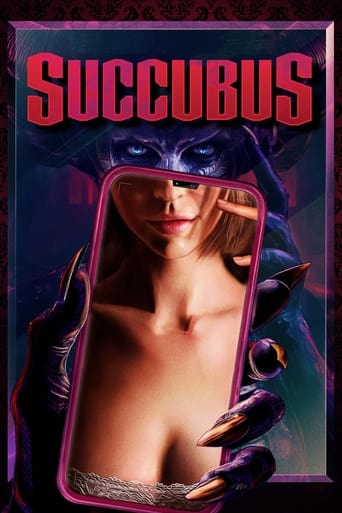
- Genre: Horror, Thriller
- Director: R.J. Daniel Hanna
- Year: 2024
- Runtime: 1h 43m
- Language: English (EN)
- TMDB Rating: ⭐ 8.6/10
Movie Overview
Brendan Bradley plays Ben, a graphic designer and new father navigating a painful separation from his wife. The film opens with him swiping through a dating app, a scene that feels achingly mundane and familiar. What stays with me after the credits is how ordinary his loneliness looks—just a guy in a quiet apartment, scrolling. That ordinariness makes what follows hit harder.
Ben matches with Grace, played by Rachel Cook. Their first date is awkward and charming, but something’s off. Grace asks intense, probing questions about his family and his fears, and she seems to know things she shouldn’t. The film slowly tightens the screws, shifting from a story about a messy divorce to a creeping sense that Ben is being methodically studied, and maybe hunted.
I kept waiting for a jump scare or a monster reveal, and it never came—at least, not in the way I expected. The horror here is psychological. Ben’s reality starts to fray. He sees Grace in places she can’t be, and small details in his home are subtly altered. His attempts to convince his estranged wife or his friend Derek that something is wrong just make him look unstable, which isolates him further.
The mystery deepens around Grace’s true nature and her connection to a series of local disappearances. The third act becomes a tense cat-and-mouse game, but the mouse isn’t sure if the cat is even real. The film smartly keeps its mythology ambiguous, grounding the terror in Ben’s deteriorating mental state rather than elaborate lore.
Direction & Cinematography
R.J. Daniel Hanna builds a quiet, unsettling atmosphere from the first frame. The opening shot holds on Ben’s phone screen as he mindlessly swipes, the glow of the app illuminating his tired face in the dark room. It’s a simple image that says everything about his isolation.
Hanna uses a lot of static, composed shots and lets scenes breathe, which makes the few moments of movement feel jarring and dangerous. The pacing in the first hour is deliberately slow, almost too slow. I’ll admit I didn’t expect a film called ‘Succubus’ to be this patient. It bothered me slightly that the middle section sags a bit as it establishes the rules of Grace’s influence.
But the direction excels in the final third. There’s a sequence where Ben is searching his son’s empty bedroom, and the camera slowly pans across toys and drawings, finally resting on a newly added sketch that shouldn’t be there. There’s no score, just the sound of his breathing. That moment of quiet discovery was more frightening than any loud noise could have been.
Cast & Performances
Brendan Bradley carries the film with a performance that’s all reactive anxiety. His Ben is fundamentally decent but worn down, and Bradley shows that through physical exhaustion—he’s always rubbing his eyes or slumping his shoulders. You believe his fear because you believe his fatigue first.
Rachel Cook is the film’s greatest asset and its biggest surprise. Her Grace is magnetic and deeply unnerving. She delivers seemingly innocent lines with a faint, unplaceable smirk. In their second date scene, she listens to Ben talk about his son with an intensity that feels less like empathy and more like data collection. It’s a brilliantly controlled performance that suggests menace without ever tipping into caricature.
I wasn’t expecting much from the supporting cast, but Derek Smith, as Ben’s skeptical friend, provides a crucial dose of relatable cynicism. His brief role works because he’s not just a plot device; he sounds like a real friend who’s heard one too many paranoid theories. Olivia Grace Applegate has less to do as the estranged wife, but she nails the mixture of concern and exasperation.
Character Psychology
On the surface, Ben wants connection and an escape from his lonely, fractured life. The dating app promises a quick fix for that ache. What he actually needs is to face the grief of his failing marriage and the responsibility of fatherhood, not find a distraction.
He isn’t self-aware at all, and that’s his trap. He sees Grace as a solution, a chance to feel desired and in control again. The film is sharp about how his male vulnerability—his need to be seen as a protector—is exactly what makes him easy prey. He doesn’t really change by the end; he’s just stripped bare, forced to see how fragile his world had become long before Grace entered it.
Themes & Emotional Depth
Succubus is less about a mythical demon and more about the horror of modern transactional relationships. It uses the folklore as a metaphor for how dating apps can feel like submitting to a predatory system that consumes your loneliness and gives back a curated fantasy. The horror isn’t the supernatural; it’s how willingly Ben offers up his pain to be digested.
The film also digs into paternal anxiety. Ben’s deepest fear isn’t for himself, but for his son. Grace’s manipulation often circles back to the child, making the threat feel visceral and urgent. It reframes the classic succubus myth not as a tale of sexual temptation, but as one of familial invasion. The most frightening moments are when Ben’s role as a father is weaponized against him.
Memorable Scenes & Dialogue
The ‘first date’ scene at a dimly lit wine bar is a masterclass in uneasy tension. The conversation is normal, but director Hanna frames them in separate shots, never letting them share the frame comfortably until Grace leans in for a kiss. The separation in the editing makes their connection feel artificial, like two profiles interacting, not two people.
Another is the ‘bathroom mirror’ scene. Ben, after a strange encounter, splashes water on his face. When he looks up, Grace’s reflection is standing behind him for a single, silent second before it’s gone. The scare works because it’s so quick and soundless, leaving Ben (and the viewer) to doubt it ever happened. It’s all in Bradley’s reaction—a slow dawning of dread, not a scream.
A small but brilliant writing moment is when Grace tells Ben, ‘I just want to know what you’re afraid of.’ The line is delivered with tender curiosity, but in the context of the film, it sounds like a mechanic asking what’s wrong with your engine before they quote a price.
The Ending — Does It Deliver?
The climax converges Ben’s personal and supernatural crises in a way that felt earned by the careful, paranoid groundwork. I wasn’t surprised by the broad strokes—a final confrontation was inevitable—but I was surprised by its emotional focus. It prioritizes psychological resolution over a physical battle.
What surprised me most was the restraint. The final shot doesn’t offer a clean victory or a definitive explanation. Instead, it leaves you with a feeling of deep, lingering unease. It’s the quiet after a storm, but the air still feels charged. The ending suggests the real horror might be permanent, a stain on Ben’s life rather than a monster he can defeat.
What Works
Rachel Cook’s performance is the film’s anchor. She makes Grace believably alluring and inhumanly calculating, often in the same moment. The film’s sound design is also a standout, using the hum of electronics and oppressive silence to build dread more effectively than any score. The decision to ground the supernatural in the mundane details of co-parenting and divorce gives the horror real emotional weight. You’re scared for Ben’s family, not just for him.
Honest Criticism
The subplot involving a detective investigating the disappearances feels undercooked and hastily resolved, like a narrative obligation the film didn’t fully commit to. It bothered me slightly that Ben’s friend Derek vanishes from the story for a long stretch when his skepticism could have been used to create more friction. Some of the middle scenes between Ben’s paranoid research and his meetings with Grace become repetitive, slowing the momentum right when the mystery should be accelerating.
How It Compares
It shares DNA with ‘The Invisible Man’ (2020) in its depiction of gaslighting and paranoid surveillance, though ‘Succubus’ is subtler with its tech angle. It also recalls the relationship horror of ‘Possession’ (1981), but trades that film’s operatic madness for a more believable, domestic breakdown.
Where it beats similar ‘app-based horror’ films like ‘The App’ or ‘Profile’ is in its commitment to character. The tech is just the delivery system for a human story. Where it falls short is in its occasional pacing lulls; it doesn’t have the relentless engine of something like ‘It Follows.’ It’s a mood piece first, a thriller second.
Legacy & Cultural Impact
As a 2024 indie horror, ‘Succubus’ garnered a very strong 8.6/10 on TMDB from its initial festival and VOD release, indicating it connected deeply with its core audience. It didn’t make major awards waves, but it became a word-of-mouth favorite in online horror circles for its smart take on modern anxiety.
Its legacy, if it holds, will be as a film that successfully updated ancient myth for the digital dating era. It’s part of a new wave of horror that finds monsters not in castles, but in our operating systems and our own curated loneliness. The conversation it started is about the very real vulnerability we expose when we look for connection through a screen.
Behind the Scenes
Director R.J. Daniel Hanna also wrote the screenplay, and he has said the initial concept was sparked by conversations with friends about the eerie, dissociative experience of modern dating apps. The role of Grace was written specifically with Rachel Cook in mind after Hanna saw her in a short film.
To keep costs low and the atmosphere intimate, almost the entire film was shot in a single house and a few nearby locations in Georgia over a tight 18-day schedule. The filmmakers have mentioned that the film’s restrained style was partly born from these budgetary constraints, forcing a focus on performance and tension over effects.
Who Should Watch It?
Viewers who enjoy slow-burn, psychological horror and stories about modern alienation will find a lot to chew on here. It’s perfect for anyone who thinks dating apps are a little bit scary already. However, audiences looking for fast-paced action, clear monster rules, or gory set-pieces will likely find it too talky and slow.
Final Verdict
Succubus is a confident and unsettling horror film that earns its scares through patience and performance. The 8.2 rating reflects its success as a tense character study, even if it stumbles in pacing at times. It’s a film that understands the most potent fears are the ones that feel familiar. Personally, I think it’s worth watching for Rachel Cook’s chilling performance and the film’s clever, quiet indictment of how we seek connection today.
More details, ratings, and cast information on IMDb, TMDB, Wikipedia. YouTube