- 1Movie Overview
- 2Direction & Cinematography
- 3Cast & Performances
- 4Character Psychology
- 5Themes & Emotional Depth
- 6Memorable Scenes & Dialogue
- 7The Ending — Does It Deliver?
- 8What Works
- 9Honest Criticism
- 10How It Compares
- 11Legacy & Cultural Impact
- 12Behind the Scenes
- 13Who Should Watch It?
- 14Final Verdict
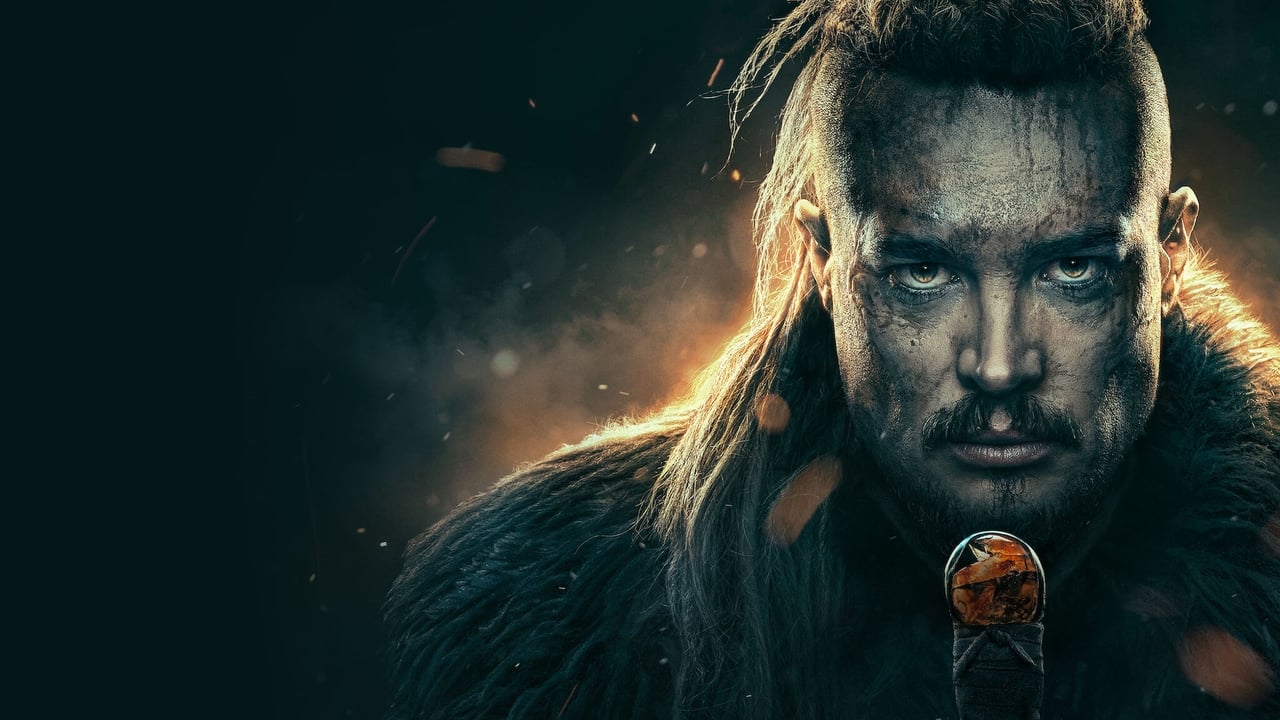
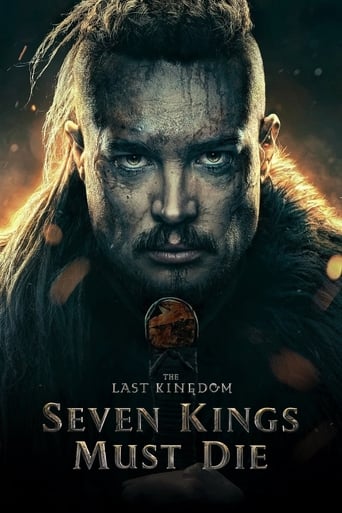
- Genre: Action, Adventure, War
- Director: Edward Bazalgette
- Year: 2023
- Runtime: 1h 51m
- Language: English (EN)
- TMDB Rating: ⭐ 7.2/10
Movie Overview
The Last Kingdom: Seven Kings Must Die picks up after the death of King Edward, plunging England into chaos. Uhtred of Bebbanburg, played by Alexander Dreymon, finds himself torn between his loyalty to his family and the future of a united kingdom. With the Saxons and Danes at odds, Uhtred embarks on a journey to rally his allies and confront lingering threats. The stakes are high, and the emotional weight of legacy looms large over every decision he makes.
As Uhtred faces both internal conflicts and external battles, the film delves into themes of honor and duty. The camaraderie among Uhtred’s friends, such as Finan (Mark Rowley) and young King Edward (Harry Gilby), adds a layer of warmth amid the chaos. However, as alliances shift and betrayals unfold, the narrative questions whether unity is even possible in such a divided land. The tension is palpable, especially when Uhtred’s past comes back to haunt him.
One of the film’s strengths is its ability to blend personal stakes with broader political implications. Uhtred’s desire to reclaim his birthright stands as a backdrop to the desperate need for England's unification. I kept waiting for a clear resolution to these conflicts, and while some threads are tied together, others linger in the air, reflecting the uncertainty of the era.
What stayed with me after the credits was a sense of bittersweet melancholy. Uhtred’s journey encapsulates the struggle of fighting for something larger than oneself, even when success seems elusive. While the film has its action-packed moments, it's ultimately the emotional arcs that make it resonate, if not entirely satisfy.
Direction & Cinematography
Directed by Edward Bazalgette, Seven Kings Must Die leans heavily into the grand scope of its historical context while maintaining a personal touch. One striking decision is the opening battle scene, where the camera weaves through the chaos, capturing the chaos of war while still focusing on Uhtred’s determined face. This juxtaposition sets the tone for the rest of the film, making it clear that battles are as much internal as they are external.
Pacing is another notable element; while the film moves briskly through its central conflicts, some quieter moments allow for reflection. I noticed that these slower sequences are where character development shines, particularly in Uhtred’s interactions with his allies. The tension builds effectively, especially as the film nears its climax, forcing Uhtred to confront both foes and his own past decisions.
But there are moments where the direction falters, particularly during the exposition-heavy dialogue scenes. A few conversations feel more like necessary plot devices than organic exchanges, which disrupts the film's otherwise strong flow. Still, Bazalgette manages to deliver a satisfying visual style that enhances the story's emotional stakes.
Cast & Performances
Alexander Dreymon continues to embody Uhtred with a physicality that draws viewers into his plight. His line delivery carries the weight of experience, particularly during an emotionally charged moment when he ponders legacy with his son. However, there were times when his brooding nature came off as repetitive; I kept waiting for a more dynamic emotional shift, but it never fully materialized.
Mark Rowley as Finan adds a much-needed spark to the film. His comedic timing offsets some of the heavier themes, and his close camaraderie with Uhtred elevates the stakes of their shared journey. The way he physically reacts to danger—his eyes wide and alert—conveys a sense of loyalty and fear that anchors his character’s motivations.
Harry Gilby, portraying King Edward, showcases a youthful naivety mixed with the pressure of leadership. His performance shines during a pivotal moment where he must take a stand, and his physical posture shifts from uncertain to resolute. But I’ll admit I didn’t expect his character to be sidelined as much as he was; he starts strong but feels overshadowed as the film progresses.
Character Psychology
Uhtred wants to reclaim his birthright, believing that this will finally give him peace. What’s intriguing is that he actively seeks out unification for England, a deeper need rooted in his desire for a cohesive legacy. Yet there’s an undercurrent of self-doubt; he often battles with loyalty to both his Saxon heritage and his Viking roots, suggesting a deeper conflict within himself.
As the story unfolds, Uhtred faces his past mistakes and the impact of his choices. He’s not entirely self-aware, often caught in cycles of conflict without fully realizing the cost to those he loves. This lack of insight trips him up, making his journey compelling, even if he doesn’t achieve personal catharsis.
Themes & Emotional Depth
At its core, Seven Kings Must Die tackles the notion of legacy and the sacrifices needed to forge a united front. Uhtred’s struggle embodies the tension between personal ambition and the greater good. For instance, when his past choices lead to unexpected consequences for his companions, it highlights the weight of decision-making in times of uncertainty.
Another notable theme is the complexity of loyalty. Characters shift allegiances based on survival instincts, and Uhtred’s journey reflects the struggle to maintain integrity amidst chaos. This is particularly evident in a tense scene where he must betray one ally to save another, showcasing the harsh realities of leadership and the bonds that can break under pressure.
Memorable Scenes & Dialogue
One powerful moment occurs during a confrontation between Uhtred and a former ally, where Uhtred’s raw emotion surfaces. The dialogue is tight, packed with history and unresolved tension, and the framing heightens the stakes—close-ups capture every flicker of vulnerability on Uhtred’s face.
Another stand-out scene is a night raid, where the cinematography contrasts the darkened landscape with the flicker of torches. This visual choice pulls the audience into the action, heightening the sense of chaos while leaving enough room for character-driven decisions to unfold. The pacing during this scene is frenetic, yet Bazalgette ensures we stay grounded in Uhtred’s perspective.
Lastly, a quiet scene between Uhtred and his son plays out on a windswept cliff. The simplicity of the dialogue paired with the expansive landscape creates an emotional resonance that lingers, reminding us of what’s at stake beyond the battles fought. It’s a moment of reflection amidst the chaos that underscores the film's underlying themes.
The Ending — Does It Deliver?
The film’s climax is a culmination of Uhtred's internal and external struggles, marked by a confrontation with an old nemesis. While I could predict some elements, the emotional depth surprised me. Rather than a straightforward victory, the resolution forces Uhtred to make a painful choice that echoes throughout the story, adding weight to his journey.
The final shot is haunting—a wide shot capturing Uhtred standing alone on the battlefield, with the dawn breaking behind him. It left me with a feeling of both hope and despair, encapsulating the complexity of his journey. It feels earned, yet it prompts reflection on whether true unity can ever be achieved.
What Works
The film’s attention to character development stands out, particularly in Uhtred’s emotional struggles. One powerful scene is when Uhtred confronts his past, and the raw vulnerability in Dreymon’s performance enriches the narrative. The cinematography during the night raid effectively captures the disarray of battle, highlighting both chaos and character-driven choices. These elements work together to create a more immersive viewing experience.
Honest Criticism
The pacing, especially during exposition-heavy dialogue scenes, can feel sluggish at times. For instance, certain conversations about alliances seem drawn out, detracting from the tension the viewers expect. Moreover, King Edward's character, while initially compelling, gets sidelined as the film progresses, leaving viewers wanting more depth from his journey. This imbalance can be frustrating, given the stakes at play.
How It Compares
Fans of historical dramas such as Vikings or The Last Kingdom series may appreciate the thematic depth of Seven Kings Must Die. Unlike Vikings, which often leans more towards stylized action, this film invests time in character moments that reflect on the consequences of leadership. However, the pacing can feel uneven compared to The Last Kingdom series, which often balances its characters' arcs with a brisker narrative flow.
While Seven Kings Must Die excels in character-driven storytelling, it occasionally stumbles in pacing, especially during exposition-heavy scenes. Vikings, for instance, has a more consistent thrill factor, albeit at the expense of deeper character connections. This film attempts to merge both but doesn’t always find the right balance.
Legacy & Cultural Impact
Seven Kings Must Die serves as a conclusion to the acclaimed Last Kingdom series, which has seen a strong positive reception from audiences. While actual box office figures remain to be seen, the buzz around its release suggests it’s likely to foster discussions about historical fidelity in adaptation and the challenges of unifying narratives in a fragmented world. In its own right, the film carries weight within the historical drama genre, potentially paving the way for future adaptations of similar material that grapple with themes of power and identity.
Behind the Scenes
Filming took place across multiple locations in Hungary, which doubled for various parts of England. Interestingly, many scenes were shot in a single take to enhance the realism of battle sequences. Additionally, the filmmakers faced a tight budget, which led to creative choices like using practical effects rather than CGI in several action scenes, resulting in a more grounded feel to the combat.
Who Should Watch It?
Fans of The Last Kingdom series will likely enjoy the film as a fitting conclusion to Uhtred’s journey. However, viewers unfamiliar with the previous storylines may find it hard to connect with the character dynamics and overarching themes. Those seeking straightforward action may also be disappointed by the film's focus on character development over constant thrills.
Final Verdict
Seven Kings Must Die is a solid continuation of Uhtred's story that delivers on character depth and emotional stakes. While the pacing can falter at times, the film carries significant weight in its exploration of legacy and unity. It's a must-watch for series fans, but those expecting non-stop action may want to pass.
More details, ratings, and cast information on IMDb, TMDB, Wikipedia. YouTube