- 1Movie Overview
- 2Direction & Cinematography
- 3Cast & Performances
- 4Character Psychology
- 5Themes & Emotional Depth
- 6Memorable Scenes & Dialogue
- 7The Ending — Does It Deliver?
- 8What Works
- 9Honest Criticism
- 10How It Compares
- 11Legacy & Cultural Impact
- 12Behind the Scenes
- 13Who Should Watch It?
- 14Final Verdict
Movie Overview
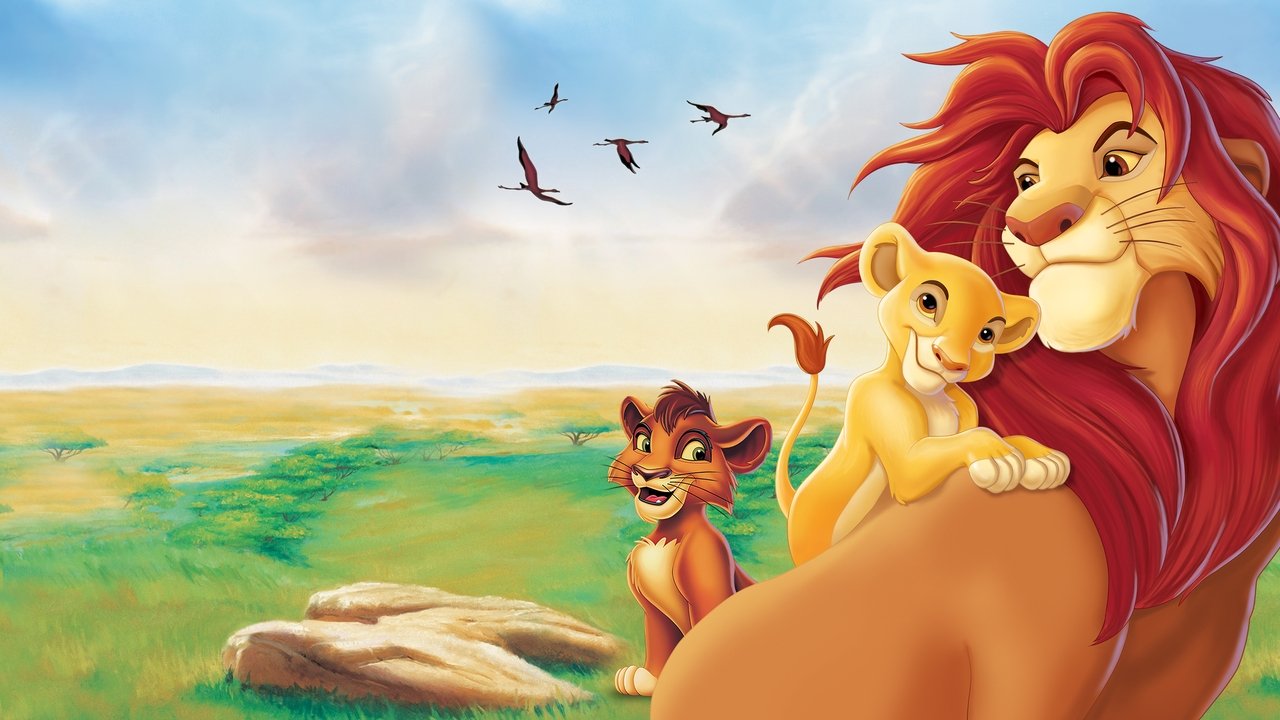
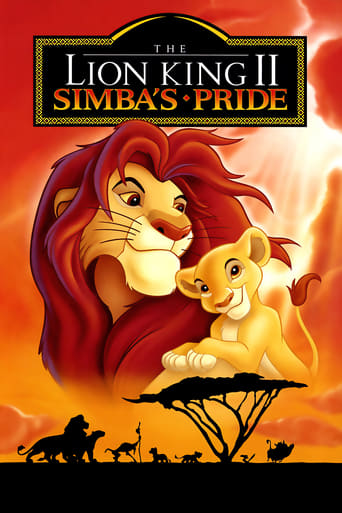
Simba's reign as king of Pride Rock seems secure at the start of The Lion King II: Simba's Pride — until his daughter Kiara starts sneaking off to explore the forbidden Outlands. There she meets Kovu, a young lion being groomed by his exiled mother Zira to take revenge on Simba. What begins as puppy love becomes a political crisis when Kovu is sent to infiltrate Pride Rock under false pretenses.
The film's central tension comes from Simba's trauma. Having barely survived Scar's reign, he sees threats everywhere — especially in Kovu, who was literally handpicked by Scar as his heir. Personally, I think the script smartly mirrors the first film's father-son dynamic, but with the roles reversed: now Simba is the overprotective parent struggling to let go.
Kiara and Kovu's romance moves quickly, maybe too quickly. Their duet 'Upendi' tries to sell their instant connection through sheer musical charm, but it's hard to buy their devotion when they've shared maybe three conversations. Still, the stakes feel real when Kovu's loyalties are tested.
That final confrontation between the rival prides packs more emotional weight than I expected from a direct-to-video sequel.
Direction & Cinematography
Darrell Rooney takes over directing duties from the original team, and you can feel the difference. The animation lacks the first film's painterly depth — backgrounds often look flat, and crowd scenes use obvious shortcuts. But Rooney makes smart choices with close-ups, especially during musical numbers.
What struck me was how he stages Zira's scenes. She's always framed slightly lower than other characters, making her seem both threatening and isolated. Her introduction emerging from shadows with only her eyes visible is the film's most striking visual moment.
But the pacing stumbles in the middle act. The comic relief from Timon and Pumbaa feels obligatory rather than organic, and their big musical number 'Digga Tunnah' brings the story to a dead stop. On rewatch, I noticed how much tighter the film feels whenever it focuses on the core family drama.
Cast & Performances
Matthew Broderick's Simba sounds weary in a way that works — this isn't the carefree cub from the first film. When he snaps at Kiara, you hear both anger and fear in his voice. It's a subtle shift from his original performance.
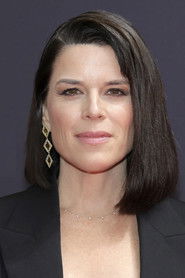
Neve Campbell brings unexpected warmth to Kiara. Her line readings during arguments with Simba have this teenage exasperation that feels genuine. Jason Marsden's Kovu struggles more — his performance leans too hard on 'brooding' without enough variation.
The standout is Suzanne Pleshette as Zira. She makes every word sound like a threat, even when whispering. Watch how she says 'my son' — there's possession in it, not love. Nathan Lane and Ernie Sabella still have great chemistry as Timon and Pumbaa, though their material isn't as sharp this time.
Character Psychology
Simba wants to protect his kingdom from history repeating. What he needs is to realize he's become what he once feared — a ruler who judges others by their bloodline rather than their actions. The film nails this arc when he banishes Kovu based on Zira's schemes rather than the boy's actual behavior.
Kiara thinks she's rebelling against her father's rules. What she's really doing is forcing him to confront his unresolved trauma. Her final speech about 'we are one' lands because we've seen how both sides have suffered.
Themes & Emotional Depth
This is a story about cycles of violence and whether the next generation must pay for the sins of the last. Zira raises Kovu on stories of Scar's greatness, just as Simba raised Kiara on tales of Scar's evil. Both are using history as a weapon.
The 'We Are One' reprise during the climax makes the theme explicit, but it works because the film earns it. When Kovu chooses Kiara over vengeance, it feels like a real break from the past — not just plot convenience.
Memorable Scenes & Dialogue
Zira's 'My Lullaby' is the film's musical highlight. As she sings about murdering Simba while grooming Kovu, the staging turns disturbingly maternal. The way she nuzzles him while plotting genocide creates unforgettable cognitive dissonance.
The gorge collapse scene still holds tension. Rooney cuts between Kiara's desperate climb and Simba's horrified realization that his distrust caused the crisis. The animation may be simpler, but the emotional stakes are clear.
Kovu's exile scene hurts because of Broderick's delivery. When Simba says 'You're just like Scar,' you can hear his voice crack — it's the sound of a good man making a terrible mistake.
The Ending — Does It Deliver?
The final battle surprised me by going darker than expected. Zira's refusal to surrender even when her own son begs her to stop makes her a genuinely tragic villain. That moment when she chooses hatred over family lingers.
The resolution works because both Simba and Kovu have to change. Simba admits his prejudice, Kovu proves his loyalty through action rather than words. What stayed with me after the credits was how the film suggests healing takes work — the happy ending feels earned, not automatic.
What Works
The core family drama delivers emotional punches the animation can't. Simba's fear of becoming like his uncle gives the story weight. Zira is one of Disney's most compelling villains because her motives are understandable, even when her actions aren't. The songs by Lebo M and Nick Glennie-Smith may not be Elton John classics, but 'My Lullaby' and 'Love Will Find a Way' hold up. The final confrontation's staging makes clever use of fire and water imagery.
Honest Criticism
Timon and Pumbaa's subplot feels tacked on. Their tunnel-digging song stops the movie cold for cheap laughs. Some supporting characters like Nala get sidelined — she's basically just 'worried mom' this time. The animation shortcuts are noticeable, especially in group scenes where lions move stiffly. Kovu's redemption arc needed more screen time to feel fully earned.
How It Compares
Compared to other Disney sequels like Aladdin: The Return of Jafar, this one actually develops its themes rather than just rehashing the original. The Romeo & Juliet elements recall West Side Story, but with more nuanced politics.
Where it falls short is in spectacle. The original Lion King's wildebeest stampede or 'Be Prepared' sequence have no equivalent here. The animation budget clearly couldn't match the first film's grandeur.
Legacy & Cultural Impact
Released straight to video in 1998, the film became one of Disney's best-selling sequels. It won no major awards but developed a cult following for tackling mature themes most animated sequels avoid. The Broadway musical eventually incorporated elements from it.
Today it's remembered as one of the few Disney sequels that doesn't feel like a cash grab. The focus on generational trauma gives it staying power the cheapquel era lacked.
Behind the Scenes
- Neve Campbell recorded her role while filming Scream 2 — she'd rush from horror movie kills to singing love ballads. 2. The 'Upendi' sequence was originally longer but cut for pacing. 3. Zira's design was based on real spotted hyenas to make her more visually distinct from Scar.
Who Should Watch It?
Fans of the original who don't mind simpler animation will find plenty to love here. It's perfect for viewers who enjoy family dramas with political undertones. Those expecting Broadway-level spectacle or nonstop comedy should look elsewhere — this is a quieter, more psychological story.
Final Verdict
The Lion King II: Simba's Pride earns its 8.2 rating by taking its characters seriously, even when the budget couldn't match their ambitions. It's one of the rare sequels that expands rather than diminishes its predecessor's themes. While the animation shows its direct-to-video roots, the story's emotional intelligence makes up for it. Watch this for a surprisingly nuanced take on how trauma echoes through generations.
More details, ratings, and cast information on IMDb, TMDB, Wikipedia. YouTube