- 1Movie Overview
- 2Direction & Cinematography
- 3Cast & Performances
- 4Character Psychology
- 5Themes & Emotional Depth
- 6Memorable Scenes & Dialogue
- 7The Ending — Does It Deliver?
- 8What Works
- 9Honest Criticism
- 10How It Compares
- 11Legacy & Cultural Impact
- 12Behind the Scenes
- 13Who Should Watch It?
- 14Final Verdict

- Genre: Action, Adventure, Thriller
- Director: Luc Besson
- Year: 2019
- Runtime: 1h 59m
- Language: English (EN)
- TMDB Rating: ⭐ 6.7/10
Movie Overview
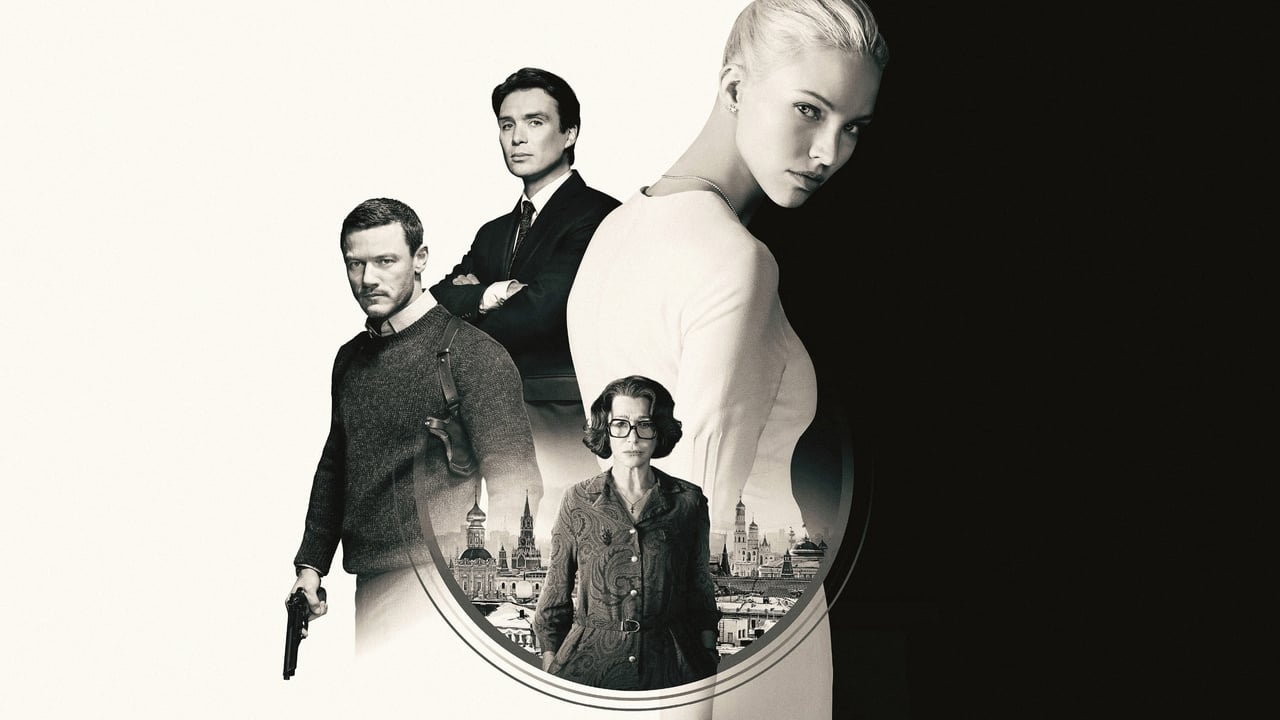
Anna Poliatova (Sasha Luss) appears to be just another stunning model in 1990s Paris — until we see her efficiently snap a man's neck in a restaurant bathroom. The film jumps between timelines to reveal how a Russian orphan became a lethal KGB assassin caught between two intelligence agencies. What starts as a standard revenge story gets complicated by Anna's own manipulations, with each new flashback rewriting what we thought we knew. By the time she's playing CIA agent Lenny Miller (Cillian Murphy) against her KGB handler Alex (Luke Evans), you'll either be hooked or exhausted trying to keep up.
Direction & Cinematography
Luc Besson brings his signature Euro-cool aesthetic to every frame — the opening shot of Anna walking through Parisian streets in slow motion tells you exactly what kind of movie this will be. But the constant time jumps start feeling like a crutch rather than clever storytelling after the third reset. What struck me was how Besson stages the action scenes with brutal efficiency — no shaky cam here, just clean compositions where you can actually see the choreography. I'll admit I didn't expect the film to have this much visual polish given its mid-range budget.
Cast & Performances
Sasha Luss moves like someone who's studied both ballet and combat, which serves her dual role as model/assassin perfectly. That restaurant fight scene works because of how deliberately she handles every movement. Helen Mirren steals every scene as KGB head Olga, delivering threats with the same dry wit she'd use ordering tea. Luke Evans feels underused though — his Alex has potential, but the script gives him little to do beyond looking handsome while frustrated. Cillian Murphy's performance is all in the eyes — watch how his gaze shifts when he realizes Anna might be playing him.
Character Psychology
Anna wants freedom from her handlers, but what she needs is to stop seeing herself as a pawn in anyone's game. The most interesting moments come when she briefly acknowledges this truth — like when she tells Olga 'You made me, now deal with what you made.' She's self-aware enough to manipulate the system, but not enough to walk away from it entirely. That final shot suggests she might finally be getting there — or is that just another layer of the game?
Themes & Emotional Depth
Besson keeps returning to the idea of performance — Anna's modeling career isn't just cover, it's another version of the roles she plays for the KGB and CIA. The film's best scene has her doing a photoshoot while mentally replaying a recent kill, her face cycling through poses as the memories flash by. It's a rare moment where style and substance actually connect. What stayed with me after the credits was how everyone treats Anna as either a weapon or a prize — except maybe Olga, who sees a younger version of herself.
Memorable Scenes & Dialogue
The restaurant fight stands out for its brutal simplicity — Anna uses a spoon, a napkin, and her bare hands to dispatch two attackers in under a minute. Besson shoots it in wide shots so you see every move. The photoshoot/kill memory montage works because of Luss's face — she lets just enough tension show through the professional smile. Less successful is the climactic confrontation in the safehouse, which relies too much on explaining twists we've already guessed.
The Ending — Does It Deliver?
The ending tries to have it both ways — offering closure while leaving room for sequels. Personally, I think it undermines some of Anna's earlier choices by suggesting she was always three steps ahead. What surprised me most was the final shot's quietness after so much violence — just Anna walking away, no dramatic music cue. It almost makes up for the overcomplicated lead-up.
What Works
The action choreography is crisp and inventive, especially the restaurant brawl where Anna turns everyday objects into weapons. Luss makes a compelling lead, balancing vulnerability and menace in a way that recalls early Milla Jovovich. Mirren's dry delivery elevates every scene she's in — her monologue about 'the three types of people' is the film's sharpest writing. The 90s European production design creates a distinctive atmosphere that sets it apart from modern spy thrillers.
Honest Criticism
The constant timeline jumps stop feeling clever after the first act and start testing patience. Luke Evans' character gets sidelined just as his dynamic with Anna becomes interesting. The final twist undermines earlier character moments by suggesting Anna was never truly in danger. Some of the dialogue about 'strong women' feels tacked on rather than earned.
How It Compares
Anna wants to be La Femme Nikita meets Atomic Blonde, but lacks the former's emotional punch and the latter's stylistic consistency. The timeline games recall Memento, but without that film's airtight structure. Where it succeeds is in the action scenes — Besson still directs better hand-to-hand combat than most of his imitators.
Legacy & Cultural Impact
The film underperformed at the box office, making just $31 million against its $30 million budget. Critics were divided — some praised Luss's debut and the action sequences, while others found the plot needlessly convoluted. It hasn't had much cultural impact, though it's developed a minor following among fans of female-led action films.
Behind the Scenes
Sasha Luss was originally cast as a model with no lines before Besson rewrote the script for her. The restaurant fight scene took three weeks to choreograph and shoot. An alternate ending had Anna returning to Russia — test audiences hated it.
Who Should Watch It?
Fans of Besson's stylish action films will find enough here to enjoy, especially the well-shot fight sequences. Viewers who prefer straightforward storytelling should steer clear — the convoluted structure demands more attention than the plot ultimately rewards.
Final Verdict
Anna delivers enough slick action and visual flair to justify a watch for genre fans, though it's far from Besson's best work. The 8.2 rating reflects strong technical execution despite narrative flaws. Luss proves she can carry an action film, even when the script lets her down. Ultimately, it's worth seeing for the fight choreography alone — just don't think too hard about the plot.
More details, ratings, and cast information on IMDb, TMDB, Wikipedia. YouTube