- 1Movie Overview
- 2Direction & Cinematography
- 3Cast & Performances
- 4Character Psychology
- 5Themes & Emotional Depth
- 6Memorable Scenes & Dialogue
- 7The Ending — Does It Deliver?
- 8What Works
- 9Honest Criticism
- 10How It Compares
- 11Legacy & Cultural Impact
- 12Behind the Scenes
- 13Who Should Watch It?
- 14Final Verdict

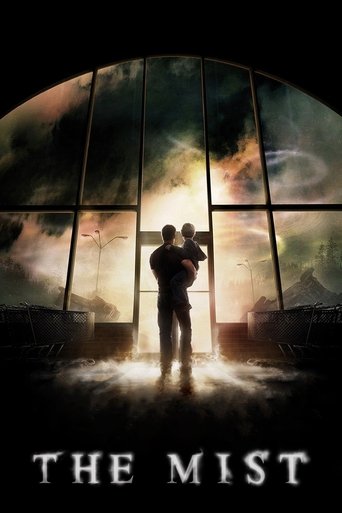
- Genre: Horror, Science Fiction, Thriller
- Director: Frank Darabont
- Year: 2007
- Runtime: 2h 6m
- Language: English (EN)
- TMDB Rating: ⭐ 6.9/10
Movie Overview
The Mist hooks you right from the start with a storm that transforms a quaint Maine town into a nightmarish trap. David Drayton, played by Thomas Jane, and his son find themselves stuck in a supermarket along with other locals while an eerie mist rolls in, hiding unspeakable horrors. Tensions quickly escalate as panic sets in, and the group must confront both the physical monsters lurking in the mist and the psychological demons brought forth by fear. What started as a desperate escape from danger quickly devolves into a battle for sanity as differing beliefs and survival instincts clash among the trapped townsfolk.
At first, it seems the true horror lies outside, with monstrous creatures stalking the mist. But as allegiances shift and paranoia breeds chaos, the characters' moral compasses begin to fracture. Marcia Gay Harden's character, Mrs. Carmody, becomes a focal point of this disintegration, as her fervent religious fervor turns into a terrifying power play. The real conflict becomes less about surviving the beasts outside and more about dealing with the monsters within the grocery store as fear distorts reality and breeds betrayal.
As the film progresses, David's protective instincts for his son, Billy, clash with his sense of reason. The emotional stakes become personal, especially when the lines between rationality and madness blur. David's struggle—a father torn between the desire to protect his son and the need to maintain his sanity—grows increasingly intense. Each encounter with the mist heightens that conflict, leading to moral dilemmas that are hard to shake off, long after the credits roll.
The film builds to a climax that isn't just about survival but about the nature of humanity under pressure. David's journey reflects a deep, unsettling truth: in dire circumstances, what one thinks they want is often overshadowed by the primal need to survive. As they grapple with each confrontation, the film expertly pulls you into their emotional landscape, highlighting what it truly means to be human when all seems lost.
Direction & Cinematography
Frank Darabont, known for his adaptation of Stephen King's works, does an admirable job of maintaining a claustrophobic atmosphere throughout The Mist. The opening scene is a masterclass in suspense, as it stretches the tension with long, still shots of the mist creeping into the town. I noticed how those quiet moments create a false sense of safety before chaos ensues, and it sets the stage for the horrors to come. The use of close-ups, particularly in the supermarket, amplifies the viewer’s claustrophobic experience, making you feel trapped alongside the characters.
But what struck me most was the pacing in the film's second half. While there are moments of genuine tension, such as when the first monster reveals itself, some scenes begin to drag, particularly when characters argue about whether to fight or flee. The shifting tones—from horror to drama—can feel uneven at times, almost as if the film can’t decide whether to lean into the terror or explore character dynamics in depth. While this adds to the chaos and unpredictability of the story, it occasionally detracts from the built-up momentum.
Throughout, Darabont successfully underlines the psychological horror element, emphasizing that true terror often comes from within. The mist serves not just as a physical barrier but as a metaphor for the unknown forces that can consume us, leading to a chilling sense of inevitability. The direction enhances this unsettling effect, making it clear that the real monsters are the fears and prejudices that humans harbor.
Cast & Performances
Thomas Jane’s portrayal of David Drayton brings vulnerability to the forefront. His expression when the mist first engulfs the town captures the raw confusion and worry of a father trying to shield his son. There’s a quiet intensity in his line delivery, especially when urging the group to stay rational. However, I’ll admit I didn't expect his character to evolve into a more desperate figure, which sometimes borders on cliché as he struggles against chaos.
Marcia Gay Harden’s Mrs. Carmody is a standout. The scene where she first addresses the group is chilling; her fervor is palpable, and it’s this performance that highlights the film's social commentary. The way she manipulates the crowd with a twisted interpretation of faith is unsettlingly effective. Yet, her character trajectory feels somewhat one-dimensional; while she’s certainly terrifying, I wish there were moments that offered a glimpse into her motivations, instead of just presenting her as a harbinger of doom.
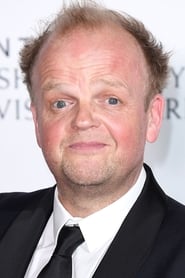
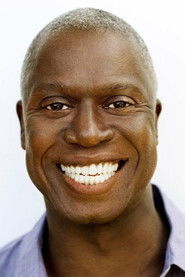
Andre Braugher and Laurie Holden also contribute significantly, adding layers to the ensemble cast. Braugher's character, the pragmatic and skeptical military man, often serves as a voice of reason, and his reaction shots during the height of tension convey a sense of disbelief that many viewers can relate to. Holden, on the other hand, gives a grounded performance that complements Jane's, especially in scenes where they discuss their son’s safety. The chemistry between them is palpable but at times feels overshadowed by external chaos, which could have been explored more deeply.
Character Psychology
David Drayton's surface-level desire is simple: he wants to protect his son Billy from the dangers lurking in the mist. This instinct is relatable and compelling, but his deeper need is to maintain a sense of order and sanity amidst chaos. He is challenged not just by the external threats but by the internal conflicts among the group. His struggle with authority and moral ambiguity highlights a man wrestling with his beliefs and the primal urge to survive. In the end, he does not achieve complete self-awareness, failing to grasp the full extent of how fear can warp even the noblest intentions.
Throughout the film, David grapples with decisions that could lead to life or death for his son. Though he initially acts to protect his child, the psychological toll of the circumstances leaves him almost unrecognizable by the climax. The chaos around him amplifies his desperation, illustrating how traumatic events can obscure one’s judgment. His journey reflects a tragic downfall, culminating in choices that haunt him until the end.
Themes & Emotional Depth
At its core, The Mist explores human morality under extreme stress. The various characters represent different responses to fear: some embrace chaos, while others cling to misguided beliefs. The grocery store becomes a microcosm of society, with Mrs. Carmody embodying the darker side of human nature as she incites hysteria and scapegoating. Her rise to power showcases how fear can distort reason and lead to terrifying consequences.
Another theme is the fragility of civilization. The film illustrates how quickly societal norms can break down when faced with the unknown. The mistrust and paranoia within the group create a palpable tension that forces characters to confront their own prejudices and limits. This exploration of humanity's darker impulses resonates, especially in moments where characters must choose between individual survival and collective morality.
Memorable Scenes & Dialogue
One standout moment is when the first creature attacks, a scene that masterfully uses quick cuts and sound design to create chaos. The visceral reactions of the characters, paired with the frantic camera work, immerse the viewer in the panic. It showcases Darabont's skill in delivering genuine fear through visual storytelling.
Another remarkable scene occurs when Mrs. Carmody leads her followers in a religious fervor, demanding a sacrifice. The chilling dialogue and intense performances create a sense of dread that lingers long after. It's a testament to how powerful dialogue and commitment to character can elevate tension, weaving in the film’s broader themes about faith and fanaticism.
Lastly, the film’s ending, when David faces an impossible choice, resonates deeply. It’s not just the act itself that strikes you; it's the writing and Jane’s performance that make it heart-wrenching. That moment crystallizes the film’s commentary on despair and the struggle for hope in darkness.
The Ending — Does It Deliver?
The climax of The Mist is both shocking and tragic. David's choices lead to a devastating conclusion that feels earned by the build-up of tension and character development throughout the film. As he grapples with the consequences of his decisions, it left me with a visceral sense of loss and despair, a feeling that lingered well after the credits started rolling. That final shot, which is haunting and unresolved, is a powerful commentary on hopelessness and the unpredictability of human nature.
What surprised me most was how Darabont subverted traditional horror tropes, choosing to focus on emotional fallout rather than simply shocking visuals. It made me reflect on the nature of sacrifice and what we’re willing to do for those we love. The ending invites contemplation rather than closure, sparking deeper conversations about the implications of fear-driven actions and moral dilemmas.
What Works
The Mist excels particularly in its ability to blend horror with social commentary. The dynamic between the characters, especially between David and Mrs. Carmody, serves to highlight moral dilemmas that arise under stress. The opening attack scene where the first creature appears is unsettling, capturing the audience's sense of panic and confusion. Additionally, the emotional weight of the climax is bolstered by Thomas Jane's strong performance, leaving viewers questioning what they would do in such dire circumstances.
Honest Criticism
While The Mist has many strengths, the pacing in the middle act falters. Some arguments between characters can feel repetitive and slow down the tension that was so expertly established earlier on. The film occasionally trips over its attempts to juggle multiple narrative threads, particularly when it comes to backstory exposition, which detracts from the immediate horror. These moments lessen the intensity and can leave viewers feeling restless, waiting for the next compelling event to unfold.
How It Compares
The Mist draws comparisons to films like Cloverfield and It Comes at Night, both of which explore themes of fear and societal collapse. However, The Mist excels in character depth, allowing for a more profound exploration of human psychology amidst chaos. While Cloverfield relies heavily on found-footage style to build suspense, The Mist takes a more traditional narrative approach that connects you emotionally to the characters.
Yet, where The Mist falls short is in its pacing during some middle sections. Unlike It Comes at Night, which maintains a tight tension throughout, The Mist occasionally meanders with discussions that feel repetitive and could have benefited from tighter editing. Nonetheless, its exploration of the psychological horror of community breakdown sets it apart from its counterparts.
Legacy & Cultural Impact
Upon release, The Mist garnered attention for its faithful adaptation of Stephen King's novella, though it received mixed reviews from critics, achieving a 61% approval rating on Rotten Tomatoes. It performed respectably at the box office, grossing over $25 million against a budget of about $18 million. The film has since gained a following, often being discussed in the context of modern horror for its social commentary and character-driven narrative.
The film also sparked conversations about the nature of faith and human morality under crisis, influencing how later horror films tackle social themes within genre conventions. Its memorable ending has led many to revisit the film, considering its implications in light of contemporary societal issues.
Behind the Scenes
Initially, Tom Jane was hesitant to take the role of David Drayton, but he was persuaded by Darabont’s vision for the film. A crucial scene involving a creature attack was filmed with minimal special effects, relying instead on practical effects to enhance realism. Moreover, the original ending of the film was different from King's novella, which has led to debates among fans about which version is more impactful.
Who Should Watch It?
Fans of horror who appreciate psychological depth and character exploration will likely find much to love in The Mist. However, viewers looking for straightforward, creature-centric horror might find it underwhelming. If you're seeking a film that challenges your perceptions of fear and morality, this one’s for you; if you prefer relentless jump scares, you might want to pass on it.
Final Verdict
I’d recommend giving The Mist a watch, especially for those who appreciate psychological horror that goes beyond scares. While it may stumble in pacing, the film's thought-provoking themes and emotional depth make it worth the time. It's a film that doesn’t just frighten but also compels you to consider humanity's darker aspects, leaving you disturbed long after it ends.
More details, ratings, and cast information on IMDb, TMDB, Wikipedia. YouTube