- 1Movie Overview
- 2Direction & Cinematography
- 3Cast & Performances
- 4Character Psychology
- 5Themes & Emotional Depth
- 6Memorable Scenes & Dialogue
- 7The Ending — Does It Deliver?
- 8What Works
- 9Honest Criticism
- 10How It Compares
- 11Legacy & Cultural Impact
- 12Behind the Scenes
- 13Who Should Watch It?
- 14Final Verdict
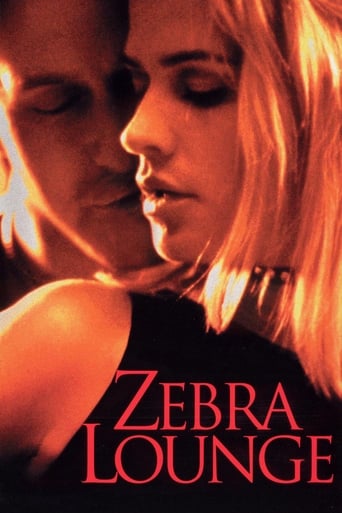
- Genre: Thriller
- Director: Kari Skogland
- Year: 2001
- Runtime: 1h 33m
- Language: English (EN)
- TMDB Rating: ⭐ 4.4/10
Movie Overview
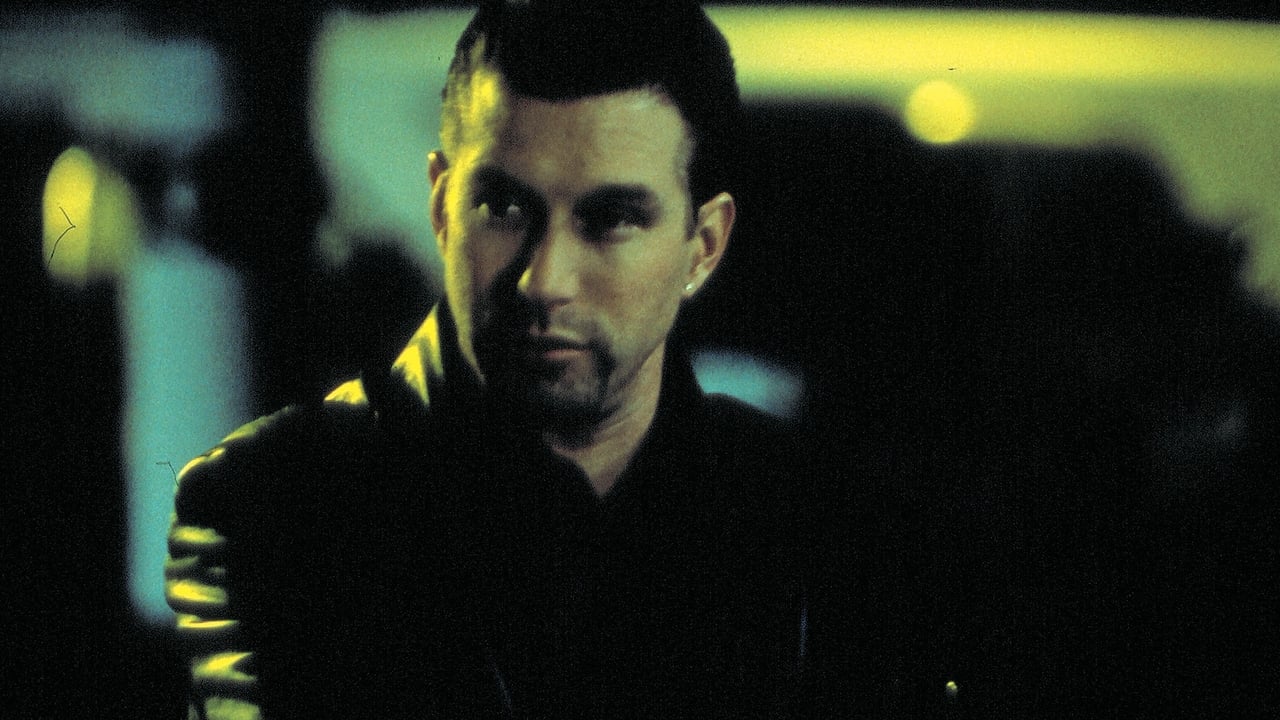
Alan and Wendy Barnet's marriage has hit a dull patch. On a whim, they place a personal ad seeking another couple for partner swapping—a decision that feels both impulsive and strangely inevitable. What starts as a lighthearted sexual experiment quickly darkens when they meet Jack and Louise Bauer, a couple who seem to know all the rules of this game.
The Bauers initially charm the Barnets with their confidence, but warning signs appear almost immediately. Jack's jokes land a little too sharp, Louise's compliments feel rehearsed. Personally, I think the film's strongest tension comes from these early scenes where the Barnets ignore their own discomfort.
By the time Wendy realizes the Bauers have no intention of being a one-time fling, the film shifts from erotic drama to full psychological thriller. The Bauers don't just want sex—they want control. That final shot made the whole runtime worth it.
Direction & Cinematography
Kari Skogland directs with a steady hand, though the material sometimes fights against her. What struck me was how she stages the first meeting between the couples—the Barnets sit stiffly on their couch while the Bauers take up space, Louise's legs casually draped over Jack's lap. You can feel the power imbalance before anyone speaks.
The pacing stumbles in the middle act when the film can't decide if it's a character study or a thriller. But Skogland recovers for the final 30 minutes, using tight close-ups that make every glance feel dangerous.
I'll admit I didn't expect the film to commit to its darker turns. The transition from playful to predatory happens gradually, then all at once—like realizing you're in deep water when it's already over your head.
Cast & Performances
Kristy Swanson carries the film as Wendy, playing her initial curiosity and later terror with equal conviction. Watch how she touches her wedding ring whenever Jack gets too close—it's a tiny detail that says everything.
Stephen Baldwin's Jack is all smarmy charm until he isn't. His performance works best in the quiet moments, like when he stares just a beat too long after Wendy leaves the room. Brandy Ledford's Louise feels underdeveloped though—she's either purring or pouting with little in between.
Cameron Daddo's Alan is the weak link. He plays every scene at the same level of mild concern, even when the script demands panic. That diner confrontation scene didn't land for me because he seems more annoyed than afraid.
Character Psychology
Wendy thinks she wants adventure, but what she really craves is proof that her marriage matters. The swinging is just a test—one she doesn't realize she's administering until it's too late.
Alan's the opposite. He wants stability but won't admit how badly he needs to feel desired. Their mismatch makes the Bauers' manipulation scarily plausible.
Themes & Emotional Depth
At its core, Zebra Lounge is about the stories we tell ourselves to justify risky choices. Wendy frames the swinging as 'saving their marriage' while ignoring every red flag. The film's most revealing moment comes when she lies to a friend about enjoying it—her face shows she's convincing herself as much as anyone.
It's also a sharp look at how predators spot vulnerability. The Bauers don't target happy swingers—they seek couples who are already fractured.
Memorable Scenes & Dialogue
The first swap scene stands out for what it doesn't show. Skogland cuts to the couples entering separate bedrooms, then holds on a wide shot of the darkened hallway. The silence does more than any moaning could.
Later, Wendy's solo drive to the Bauers' house plays like a horror sequence. The radio plays 'Fever' while headlights glare in her rearview—a simple but effective way to show her fear escalating.
The Ending — Does It Deliver?
The ending surprised me by being both inevitable and slightly unsatisfying. All the pieces fit, but it wraps up too neatly after such messy buildup. What stayed with me after the credits wasn't the resolution, but Wendy's face in the penultimate scene—she looks more exhausted than relieved.
The final shot of the zebra-print lounge chair works better than the actual climax. It's a quiet reminder that the danger was never really about sex—it was about who gets to set the rules.
What Works
Swanson's performance anchors the film, especially in scenes where Wendy's panic starts to show through her polite facade. The Bauers' introduction is masterfully unsettling—their confidence feels predatory from the start. The sparse score works well, using silence more effectively than music to build tension. And that final shot lingers in a way few erotic thrillers manage.
Honest Criticism
The middle sags under repetitive arguments between Alan and Wendy that go nowhere. Daddo's flat performance makes Alan's choices confusing—we never believe he'd agree to any of this. The Bauers' backstory is frustratingly vague, reducing them to stock villains when they could have been fascinating.
How It Compares
Fans of 'Fear' (1996) or 'Unfaithful' (2002) might enjoy this, though it lacks their polish. Zebra Lounge beats similar films in its willingness to let its villains be genuinely scary, not just seductive. But it falls short in character development—we never understand the Bauers' motives beyond generic malice.
Legacy & Cultural Impact
Zebra Lounge came and went without much notice in 2001, earning no awards and minimal box office. It's mostly remembered now as an early directorial effort from Kari Skogland, who'd later helm episodes of 'The Handmaid's Tale.' The film found a second life on late-night cable thanks to its titillating premise, but it's smarter than its reputation suggests.
Behind the Scenes
- The zebra print motif was added last minute—the original title and decor were more generic. 2) Baldwin improvised several of Jack's creepier lines, including the 'rules of the game' speech. 3) The diner scene was shot in one take because of scheduling conflicts with the location.
Who Should Watch It?
Viewers who enjoy slow-burn psychological thrillers will find plenty to appreciate here, especially Swanson's performance. Anyone looking for consistent erotic tension or a tidy resolution should steer clear.
Final Verdict
Zebra Lounge isn't perfect, but it's better than its 4.4 IMDb rating suggests. The film earns points for committing to its dark turn and for Swanson's layered performance. I'd recommend it to fans of the genre willing to overlook some uneven pacing. Just don't expect the erotic thriller version of a good time—this is more cautionary tale than fantasy.
More details, ratings, and cast information on IMDb, TMDB, Wikipedia.