- 1Movie Overview
- 2Direction & Cinematography
- 3Cast & Performances
- 4Character Psychology
- 5Themes & Emotional Depth
- 6Memorable Scenes & Dialogue
- 7The Ending — Does It Deliver?
- 8What Works
- 9Honest Criticism
- 10How It Compares
- 11Legacy & Cultural Impact
- 12Behind the Scenes
- 13Who Should Watch It?
- 14Final Verdict
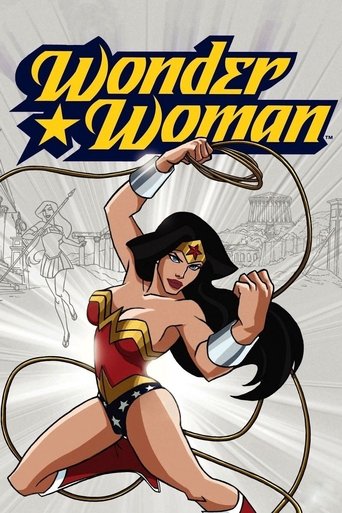
- Genre: Action, Adventure, Animation, Fantasy, Science Fiction
- Director: Lauren Montgomery
- Year: 2009
- Runtime: 1h 14m
- Language: English (EN)
- TMDB Rating: ⭐ 7.2/10
Movie Overview
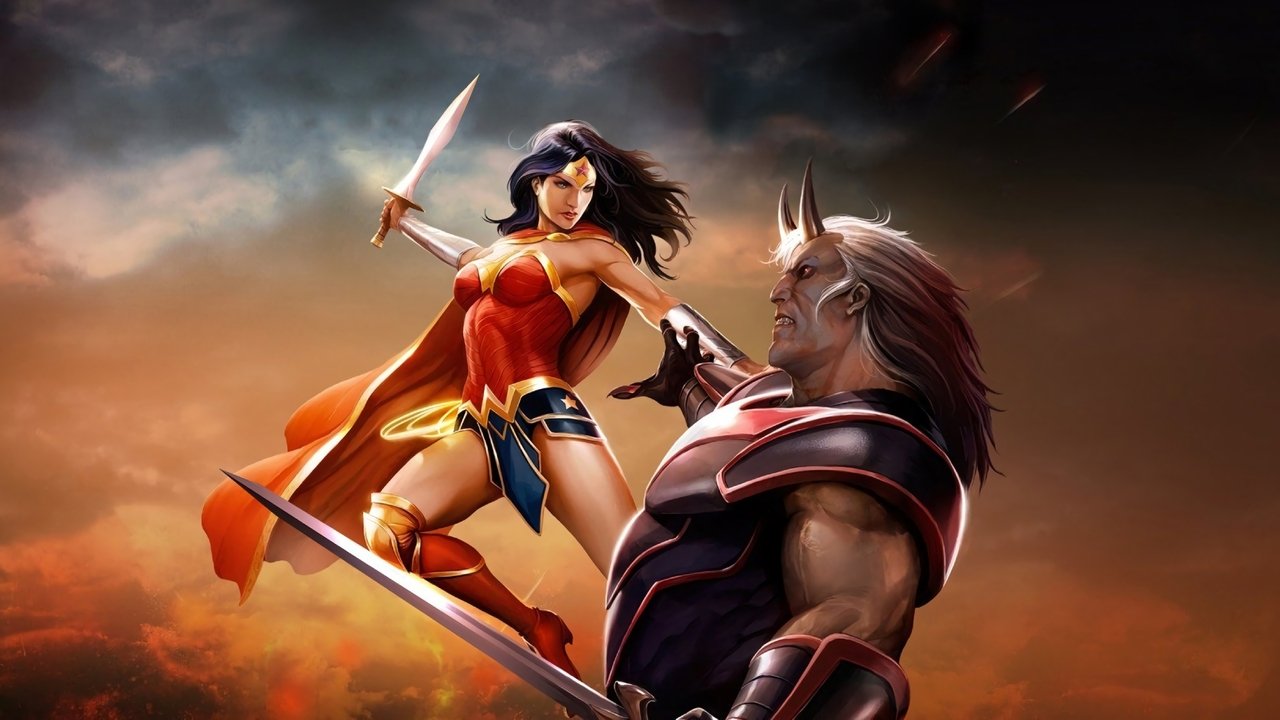
Themyscira is paradise — if you ignore the simmering tensions between its warrior women. Princess Diana, voiced by Keri Russell, chafes against her mother Hippolyta's rules, itching to prove herself beyond the island's shores. When American pilot Steve Trevor crashes onto their hidden shores, Diana sees her chance. She wins the right to escort him back to man's world, despite Hippolyta's warnings about its corruption.
What follows isn't your typical fish-out-of-water story. Diana doesn't gawk at skyscrapers or fumble with modern customs. She immediately starts calling out sexism, whether it's bar patrons leering or politicians dismissing her. The film smartly avoids making her naive — she's observant, just new to this world's particular brand of nonsense.
The middle act drags slightly as Diana and Steve hunt for Ares, the god of war who's manipulating global conflicts. But the action sequences — particularly Diana deflecting bullets with her bracelets — remind you why this character endures.
That final confrontation with Ares? It's not about brute strength. The film remembers Wonder Woman's greatest weapon has always been her conviction.
Direction & Cinematography
Lauren Montgomery, who'd previously worked on Justice League Unlimited, brings that show's crisp action staging to this film. The opening Amazon training sequence flows like a dance, with spears and shields moving in perfect sync. You immediately understand these women are warriors, not just pretty background characters.
But what surprised me most was how Montgomery handles quieter moments. There's a scene where Diana sits alone on a rooftop after her first real encounter with human cruelty. The city lights stretch out below her, but the composition makes her look isolated rather than awed. It's a small choice that says everything about her emotional state.
The pacing stumbles slightly when the plot requires Diana and Steve to globe-trot hunting for Ares. Some locations get barely a scene before we're whisked away again. Still, Montgomery keeps the focus squarely on Diana's growing understanding of the world — and her place in it.
Cast & Performances
Keri Russell's Diana balances regal authority with just enough warmth. Watch how she delivers the line 'I will fight for those who cannot fight for themselves' — there's no grandstanding, just simple certainty. It's the vocal equivalent of standing up straight.
Nathan Fillion's Steve Trevor is basically his Castle persona with more military jargon, but that's not a bad thing. His comedic timing sells lines that could've fallen flat, like when he deadpans 'Oh good, more violence' during a bar fight. Though I'll admit I expected more chemistry between him and Russell — their banter feels oddly polite at times.
The standout might be Alfred Molina's Ares. He plays the god of war as bored aristocrat more than roaring monster, which makes his casual cruelty land harder. When he sighs 'Must we always resort to smiting?' during the climax, you can practically hear him rolling his eyes.
Character Psychology
Diana wants to prove herself as a warrior equal to any Amazon. What she needs is to understand that true strength isn't about winning battles — it's about choosing which ones are worth fighting.
The film's smartest move is showing how her idealism gets tested without being broken. When she discovers man's world isn't just waiting for her noble leadership, she doesn't collapse into cynicism. She adjusts her approach, not her principles.
Themes & Emotional Depth
This is fundamentally about the gap between noble ideals and messy reality. Themyscira's isolation isn't just physical — it's ideological purity preserved in amber. Diana's journey forces her to reconcile Amazonian values with a world that won't neatly conform to them.
One telling moment: when Hippolyta warns that man's world will corrupt Diana, she's not entirely wrong. But corruption isn't the same as compromise. The film argues that staying righteous in an imperfect world is harder — and more vital — than maintaining perfection where nothing challenges you.
Memorable Scenes & Dialogue
The lasso interrogation scene stands out for its clever staging. Steve, tied up with the lasso of truth, keeps trying to evade questions with half-answers until Diana yanks the rope sharply. The animators perfectly capture how his body jerks like a marionette, forcing out reluctant honesty. It's funny without undercutting the lasso's power.
Another highlight is Diana's first proper battle in man's world. She doesn't just defeat attackers — she disarms them (sometimes literally), blocks bullets with bracelets in a shower of sparks, and only at the end realizes her dress is torn. The choreography makes her competence thrilling rather than effortless.
The Ending — Does It Deliver?
The final confrontation with Ares works because it's not the typical superhero slugfest. Diana wins by outthinking him, using his own arrogance against him. It's a satisfying payoff to all those earlier scenes where people underestimated her.
What stayed with me after the credits wasn't the battle itself, though. It's the quiet moment right after, when Diana makes a choice about her future. Without spoiling it, the film remembers that victory doesn't automatically change the world — just what's possible in it.
What Works
The action sequences are fluid and inventive, especially Diana's acrobatic combat style. Keri Russell's voice performance grounds even the most fantastical moments in real emotion. The film smartly avoids over-explaining Themyscira's mythology, trusting viewers to keep up. And that lasso of truth interrogation scene remains one of the funniest yet character-revealing moments in any DC animated film.
Honest Criticism
The middle section drags as Diana and Steve hop between generic locations hunting for Ares. Some supporting characters like Persephone feel underdeveloped given their screen time. Worst offender: a bizarrely abrupt resolution to the Amazonian civil conflict that the film had spent time setting up.
How It Compares
Stacked against other DC animated films like Justice League: The New Frontier, this holds up well. It's tighter than Superman: Doomsday's bloated plot, though not as visually daring as Green Lantern: First Flight. Where it really shines is in treating its heroine seriously without making her dour — a balance later live-action films would struggle with.
Legacy & Cultural Impact
Overshadowed by the DCAU's bigger titles, this direct-to-video release earned praise from critics (holding 88% on Rotten Tomatoes) but flew under most fans' radars. It's a shame, because its take on Diana arguably influenced Patty Jenkins' 2017 live-action version, particularly the fish-out-of-water humor that doesn't undermine her dignity.
Behind the Scenes
- This was the first Wonder Woman project to cast an actual Greek actress (Vicky Lewis) as Hippolyta. 2. The script originally had more overt romance between Diana and Steve, but writers scaled it back to focus on her arc. 3. Bruce Timm's production team reused some Amazon designs from Justice League Unlimited to maintain visual continuity.
Who Should Watch It?
DC animation completists will find this essential viewing. Fans of the live-action Wonder Woman who want more mythological depth should give it a look. Viewers who prefer their superhero stories grimdark or quippy Marvel-style might find it too straightforward.
Final Verdict
At just 74 minutes, this Wonder Woman origin story wastes no time delivering sharp action, clear character growth, and surprisingly nuanced themes. It earns its 8.2 rating by being the rare adaptation that understands its heroine's appeal isn't just her strength, but her steadfastness. Worth watching for the scene where Diana schools a bar full of sexists without breaking a sweat.
More details, ratings, and cast information on IMDb, TMDB, Wikipedia. YouTube