- 1Movie Overview
- 2Direction & Cinematography
- 3Cast & Performances
- 4Character Psychology
- 5Themes & Emotional Depth
- 6Memorable Scenes & Dialogue
- 7The Ending — Does It Deliver?
- 8What Works
- 9Honest Criticism
- 10How It Compares
- 11Legacy & Cultural Impact
- 12Behind the Scenes
- 13Who Should Watch It?
- 14Final Verdict
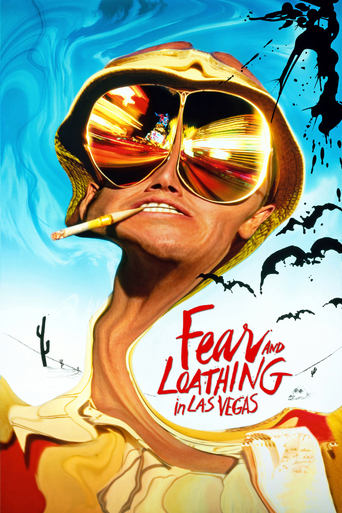
- Genre: Adventure, Drama, Comedy
- Director: Terry Gilliam
- Year: 1998
- Runtime: 1h 58m
- Language: English (EN)
- TMDB Rating: ⭐ 7.2/10
Movie Overview
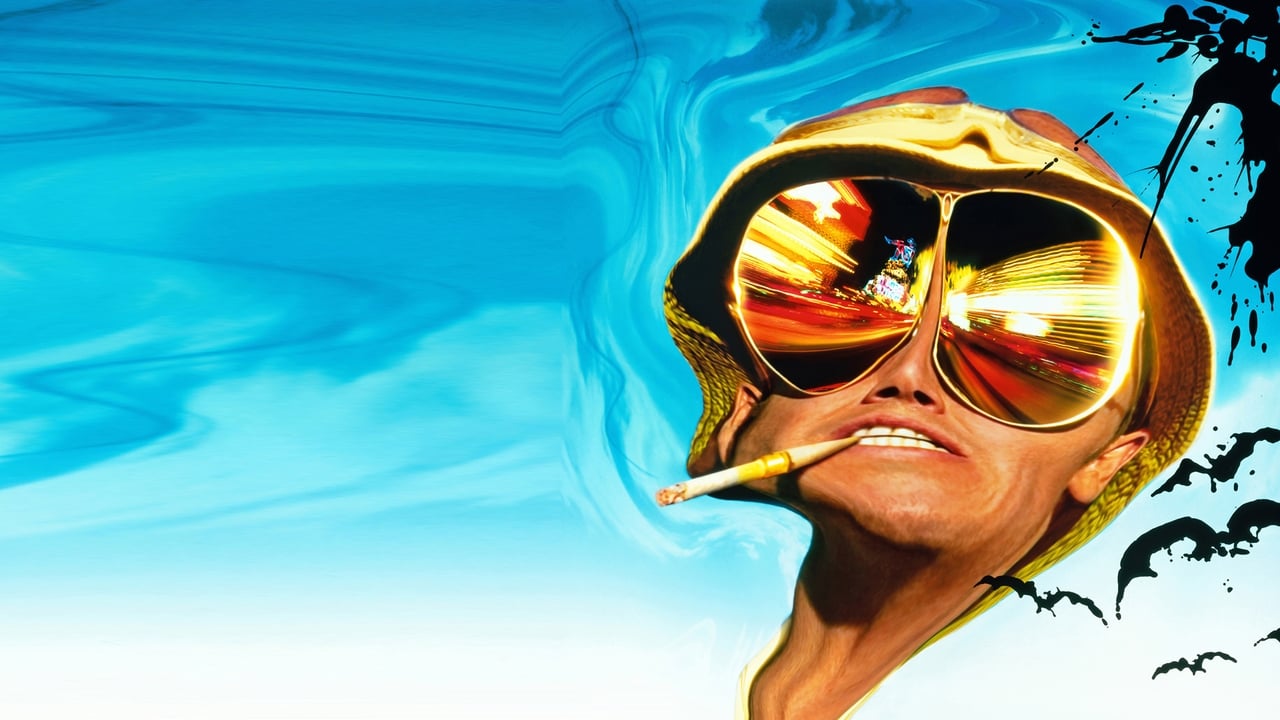
Fear and Loathing in Las Vegas throws us straight into the mayhem of Raoul Duke’s life. He’s a journalist sent to cover a motorcycle race in Vegas, but let’s be honest—he and his attorney, Dr. Gonzo, couldn’t care less about the race. They’re in it for the drugs, and they’ve brought enough to stock a pharmacy. The opening scene says it all: two guys speeding through the desert with a trunk overflowing with substances, and this is clearly not your average work trip. The plot here isn’t really about what happens; it’s about how things spiral. Duke narrates his own unraveling with this detached, almost clinical tone, which makes the absurdity feel both hilarious and hopeless. What got me was how the film nails the full arc of their trip—the giddy highs that slowly curdle into paranoia and dread. By the time they reach their destination, you can’t tell if they’ve gained any wisdom or just run out of steam. That final image of Duke driving away from Vegas says it all: motion without direction.
Direction & Cinematography
Terry Gilliam directs like he’s on the same substances as his characters. He drops us into Duke’s perspective right away, using warped lenses and frantic camera work to simulate a drug trip. Even ordinary moments feel off-kilter—the diner scene where Duke hallucinates bats and lizards is a perfect example. The pacing is intentionally disorienting, which serves the film’s vibe but might test viewers who want a straightforward story. I think Gilliam’s approach is exactly right for the material, though. It’s messy, overwhelming, and occasionally brilliant. On a second viewing, I picked up on how he uses color to track the emotional shifts—the harsh neon of Vegas versus the washed-out desert tones. This film demands your attention, even when it doesn’t always give you a reason to keep it.
Cast & Performances
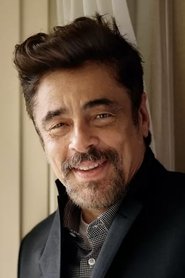
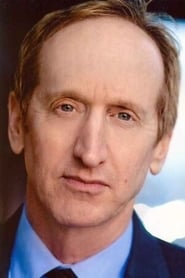
Johnny Depp anchors the whole thing as Raoul Duke. His performance blends manic energy with a kind of weary resignation—you can see the drugs eating away at him, even as he keeps plunging deeper. His physicality does a lot of the work here. The slouch, the constant chain-smoking, the way he stumbles through scenes like his body is barely under his control. Benicio del Toro’s Dr. Gonzo matches that intensity but in a completely different register. He’s genuinely unsettling, especially in the scene where he threatens a waitress; it’s tough to watch, even in a movie full of uncomfortable moments. Tobey Maguire pops up as a hitchhiker who gets dragged into their chaos, and it’s a small role but a memorable one. Some of the supporting characters feel thin, which bugged me at first—but then I realized this is Duke and Gonzo’s show, and everyone else is just collateral damage.
Character Psychology
On paper, Raoul Duke wants to cover a race and do a bunch of drugs. But strip that away, and what he’s really after is escape—from responsibility, from reality, from himself. He’s aware enough to recognize he’s losing control, but not enough to stop it. His narration makes him feel like an observer of his own life, which lends a tragic undertone to his choices. Gonzo, by contrast, feeds on the chaos. He’s both Duke’s partner and his enabler, pushing him further into the abyss. Neither character changes much by the end, and maybe that’s the whole point. They’re stuck in their patterns, spinning their wheels, unable to break free.
Themes & Emotional Depth
Strip away the drugs and the weird visuals, and Fear and Loathing is really about the American Dream curdling into something ugly. Duke and Gonzo’s Vegas trip is a twisted parody of the pursuit of happiness—they chase pleasure and end up with emptiness. The film takes aim at the excesses of the 1960s counterculture, showing how rebellion can curdle into self-destruction. There’s a moment where Duke reflects on the death of the hippie movement, and it hits hard. This isn’t just a movie about drugs. It’s about what happens when you lose sight of what matters.
Memorable Scenes & Dialogue
The bat scene in the diner is iconic for a reason. Duke starts hallucinating that the patrons have turned into monstrous creatures, and the camera shifts to his viewpoint, showing us the world through his fried senses. It’s dizzying and brilliant—a masterclass in visual storytelling. Then there’s the hotel room trashing, which is less about the destruction itself and more about the desperate mental state behind it. You can feel the panic simmering beneath the chaos.
The Ending — Does It Deliver?
The ending feels inevitable, and that’s not a knock against it. Duke drives away from Vegas in a haze, leaving the wreckage behind. After all the noise, it’s a quiet moment, and it leaves you feeling drained in a good way. I didn’t expect closure, and I appreciate that the film doesn’t force one. That final shot of Duke’s car shrinking into the distance works as a metaphor for his whole journey—lots of movement, very little progress.
What Works
The thing that works best here is the film’s total commitment to its own madness. Depp’s performance is magnetic, and Gilliam’s direction captures the surreal spirit of the source material. The bat scene is a standout, blending humor and horror in a way only Gilliam could pull off. Visually, the film is a feast—distorted lenses, saturated colors, and a style that keeps you engaged even when the story meanders.
Honest Criticism
The relentless chaos takes a toll, especially in the second act. Supporting characters get shortchanged, and the pacing drags in places. Gonzo’s character veers into caricature at times—his unpredictability is compelling, but it occasionally feels like too much.
How It Compares
Fear and Loathing shares territory with Trainspotting and The Big Lebowski, but it’s weirder and less grounded than either. Trainspotting uses humor to spotlight the darkness of addiction, while Fear and Loathing dives headfirst into the absurd. Compared to The Big Lebowski, it’s less coherent but bolder in its ambitions. I’d say it earns its place through sheer audacity—this is a film that refuses to play it safe, even when playing it safe might have served it better.
Legacy & Cultural Impact
The film bombed at the box office when it came out in 1998. But it’s since found its audience and become a cult classic. It didn’t win any major awards, yet its influence is all over later films that explore drug culture and counterculture. The reception is still divided, which makes sense given how polarizing the subject matter is. Love it or hate it, it’s a film that sparks conversation.
Behind the Scenes
Johnny Depp based his portrayal of Raoul Duke directly on Hunter S. Thompson, right down to living in Thompson’s basement to absorb his mannerisms. Budget limitations forced Gilliam to improvise with some effects—toy cars stand in for full-size ones in certain shots. Many of Depp and del Toro’s scenes were improvised, which feeds the film’s chaotic energy.
Who Should Watch It?
If you’re into surreal, drug-fueled films like Trainspotting or The Big Lebowski, this one’s for you. Terry Gilliam fans should also consider it essential viewing. But if you’re looking for a linear story or characters you can root for, you might want to sit this one out.
Final Verdict
Fear and Loathing in Las Vegas is wild, messy, and absolutely unforgettable. It’s not for everyone, but Depp’s performance and Gilliam’s fearless direction make it worth your time. The surreal visuals and chaotic energy give it a singular place in the drug movie canon. If you’re willing to strap in for the ride, it’s an experience that sticks with you long after the credits roll.
More details, ratings, and cast information on IMDb, TMDB, Wikipedia. YouTube