- 1Movie Overview
- 2Direction & Cinematography
- 3Cast & Performances
- 4Character Psychology
- 5Themes & Emotional Depth
- 6Memorable Scenes & Dialogue
- 7The Ending — Does It Deliver?
- 8What Works
- 9Honest Criticism
- 10How It Compares
- 11Legacy & Cultural Impact
- 12Behind the Scenes
- 13Who Should Watch It?
- 14Final Verdict

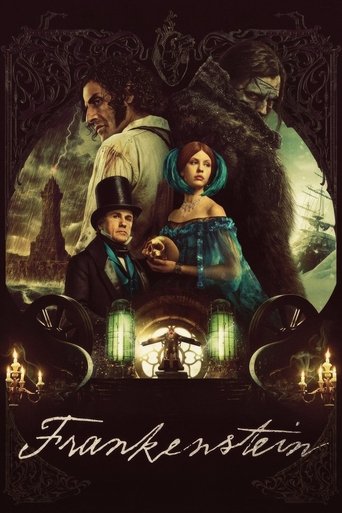
- Genre: Drama, Fantasy, Horror
- Director: Guillermo del Toro
- Year: 2025
- Runtime: 2h 30m
- Language: English (EN)
- TMDB Rating: ⭐ 7.6/10
Movie Overview
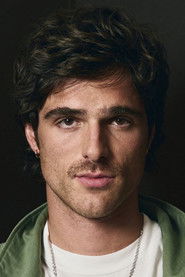
In Guillermo del Toro's Frankenstein, we dive into the life of Dr. Victor Frankenstein, played by Oscar Isaac, an ambitious scientist who seeks to defy nature itself. His obsession with creation leads him to assemble a creature, portrayed by Jacob Elordi, made from body parts stitched together from the dead. The emotional undertones of this monstrous creation are palpable, setting the stage for a tale of guilt, ambition, and tragic consequences.
As Frankenstein's creature awakens, he struggles to understand his place in the world. His initial childlike curiosity soon turns to despair as he faces rejection and horror from those around him. It's an interesting dichotomy: Victor wants glory and recognition, while his creation yearns simply for connection and acceptance.
But the bond between creator and creation begins to fray as their respective journeys spiral out of control. The film's second half intensifies with a haunting exploration of morality and responsibility. Victor's relentless pursuit of greatness blinds him to the consequences of his actions, leading to tragic events that resonate deeply.
What surprised me most was how the film balances its horror elements with profound emotional stakes. The final minutes leave you questioning what it truly means to be human, and whether creation is worth the price of destruction. Del Toro's adaptation captures both the horror of the original tale and the complexity of its characters, making for a compelling watch.
Direction & Cinematography
Guillermo del Toro's direction in Frankenstein showcases his trademark style of blending fantastical elements with deep emotional truths. One scene that stands out is when the creature first sees himself in a broken mirror. The shattered reflection is a visual metaphor for his identity crisis, and it lingers in your mind long after the moment passes. The use of dark, moody lighting throughout the film reinforces the horror elements while highlighting the psychological depth of the characters.
But the pacing could have benefited from tightening in the middle. There are moments where the narrative meanders, especially during Victor's backstory. While these scenes provide context, they occasionally slow the film's momentum. I noticed that some of the earlier emotional beats feel overshadowed by the later horror, which might leave some viewers longing for a stronger balance.
Ultimately, del Toro captures the tragic beauty of the source material while infusing it with a modern sensibility. His use of practical effects, combined with CGI, creates a visually arresting experience, particularly in the creature's design, making it both terrifying and tragic. This blend of artistry enhances the emotional core, inviting viewers into a world that feels both familiar and unsettling.
Cast & Performances
Oscar Isaac's portrayal of Dr. Victor Frankenstein is deeply layered. His physicality conveys not just the man's brilliance but also his spiraling madness. A standout moment is when he first sees the creature alive — the mixture of awe and horror on his face is palpable, capturing the duality of creation.
Jacob Elordi, as the creature, delivers a haunting performance. His interpretation of the character is filled with vulnerability, especially in scenes where he navigates the world with childlike wonder and confusion. The moment he reaches out to a child, only to be met with fear, is heartbreakingly effective and shows off Elordi’s ability to convey complex emotions without dialogue.
Mia Goth also impresses as Elizabeth, Victor's love interest. I'll admit I didn't expect her to have such a significant impact on the narrative. Her character is not just a passive romantic figure; she challenges Victor and ultimately reveals the consequences of his obsession. However, I wish she'd had more screen time to fully explore her character’s motivations, as she feels slightly underdeveloped by the film’s end.
Character Psychology
Dr. Victor Frankenstein is driven by a desire for glory and scientific achievement. He risks everything in his relentless pursuit of knowledge, but what he truly needs is to confront the moral implications of his actions. In his quest, he fails to see the harm he brings to others, ultimately leading to his downfall.
The creature, meanwhile, seeks to understand his existence and find acceptance. He is not aware of his own monstrosity at first, which creates a tragic irony. Throughout the film, he is trapped by his creator's actions and societal rejection, reflecting a profound need for connection that is never fulfilled.
Themes & Emotional Depth
At its core, Frankenstein explores the dangers of unchecked ambition and the ethics of creation. Victor's desire to play God results in horrific consequences, as he fails to consider the life he brings into the world. This theme resonates in a modern context, questioning scientific advancements without moral considerations.
The film also delves into themes of isolation and the search for identity. The creature, despite being the product of Victor’s genius, embodies a profound loneliness that many can relate to. His journey serves as a cautionary tale about the importance of empathy and understanding in a world that often rejects those who are different.
Memorable Scenes & Dialogue
One unforgettable scene occurs when the creature ventures into a village for the first time. The cacophony of frightened screams juxtaposed with the child's curiosity creates a powerful moment that highlights the film's exploration of fear and misunderstanding. The cinematography captures the chaotic reactions of the townsfolk, drawing viewers into the confusion.
Another poignant moment is when Victor cradles the creature's head in his hands, a moment of vulnerability that illustrates their complex bond. This scene works well because it emphasizes the tragic nature of their relationship, blurring the lines between creator and creation. It resonates with del Toro's knack for finding humanity in monstrous situations.
The Ending — Does It Deliver?
The climax of Frankenstein delivers a mix of expected and surprising turns. As tensions rise and Victor is forced to confront the consequences of his actions, the emotional release feels well-earned after the buildup. The final confrontation between creator and creature is both intense and heartbreaking, leaving you pondering the nature of responsibility.
What stayed with me after the credits rolled was the overwhelming sense of tragedy. The closing scene, which juxtaposes isolation with a glimmer of hope, challenges the viewer to question their own beliefs about creation and acceptance. It’s a powerful finish that lingers, even if it doesn’t provide neat resolutions.
What Works
The film’s visual storytelling is impressive, particularly in the creature design. The practical effects used in the transformation scenes highlight the blend of horror and artistry, creating a tangible sense of dread. Oscar Isaac’s performance as Victor, especially during pivotal moments of realization, echoes the film's emotional core. Del Toro skillfully balances these elements, allowing the audience to feel the weight of his characters’ choices.
Honest Criticism
There are moments in the middle of the film that feel drawn out. The subplot involving Victor’s family adds some background but doesn't significantly contribute to the main narrative. It bothered me slightly that this diversion slowed the pacing and diluted the film's tension at a crucial point. Some viewers may find themselves wishing for a tighter focus on the primary conflict.
How It Compares
When comparing Frankenstein to other adaptations, particularly Kenneth Branagh's 1994 version and Mary Shelley's original novel, del Toro’s film stands out for its emotional depth and character focus. Branagh's approach leaned heavily into drama but lacked the introspective quality that del Toro brings to the creature's plight. In contrast, del Toro excels at crafting a narrative that feels both personal and universal.
However, I felt the pacing issues and a few underdeveloped characters in del Toro’s version hinder it from reaching the heights of Mary Shelley's profound themes. While del Toro visually impresses, the original text's philosophical explorations remain unmatched.
Legacy & Cultural Impact
Frankenstein (2025) has already sparked conversations about the ethics of scientific advancement and the human condition, drawing parallels to contemporary debates around artificial intelligence. While it hasn't racked up awards just yet, its strong critical reception suggests that it will likely be a contender in upcoming film festivals. Del Toro's unique vision could influence the horror genre and inspire future adaptations by prioritizing emotional depth over mere shock value.
Behind the Scenes
Oscar Isaac was originally cast to play the creature, but after discussions with del Toro, he opted for the role of Victor Frankenstein instead. Mia Goth's character was initially written as a smaller role, but del Toro expanded it upon her audition, which impressed the team. Additionally, some scenes were filmed on location in Eastern Europe, where the team faced unexpected weather challenges that added to the film's atmospheric tones.
Who Should Watch It?
Fans of Guillermo del Toro will appreciate the visual artistry and character depth, while those who enjoy gothic horror stories will find much to engage with. However, viewers looking for a fast-paced horror flick might want to skip it, as the film prioritizes emotional resonance over jump scares or traditional horror tropes.
Final Verdict
Frankenstein (2025) presents a thought-provoking take on a classic tale, successfully merging horror with a deep emotional narrative. With its stunning visuals and strong performances, it offers something unique in a genre often dominated by clichés. I recommend this film for those who appreciate character-driven stories and moral complexities. If you’re looking for a quick thrill, you might want to pass.
More details, ratings, and cast information on IMDb, TMDB, Wikipedia. YouTube