- 1Movie Overview
- 2Direction & Cinematography
- 3Cast & Performances
- 4Character Psychology
- 5Themes & Emotional Depth
- 6Memorable Scenes & Dialogue
- 7The Ending — Does It Deliver?
- 8What Works
- 9Honest Criticism
- 10How It Compares
- 11Legacy & Cultural Impact
- 12Behind the Scenes
- 13Who Should Watch It?
- 14Final Verdict

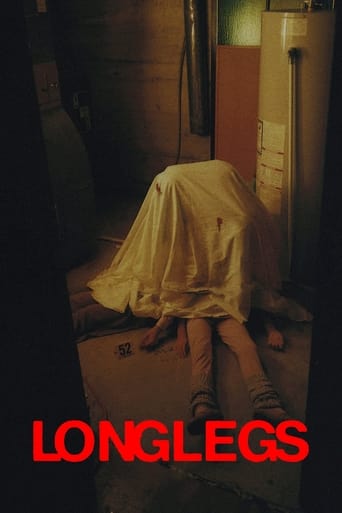
- Genre: Crime, Horror, Mystery
- Director: Osgood Perkins
- Year: 2024
- Runtime: 1h 41m
- Language: English (EN)
- TMDB Rating: ⭐ 6.5/10
Movie Overview
Longlegs hooks you from the start with its chilling premise. FBI Agent Lee Harker, played with subtle intensity by Maika Monroe, is thrown into a web of mysteries surrounding an elusive serial killer. Early in the film, there's a gripping scene where Harker discovers chilling evidence linked to a series of brutal murders that seem to point towards an occult ritual. The investigation spirals into a personal quest as Harker realizes the killer's ties to her own life, raising the stakes in a race against time to prevent another family from becoming victims.
What keeps the tension high is the development of Harker's character. There’s a moment halfway through where she confronts her own fears during a terrifying encounter in a darkened warehouse, showcasing her vulnerability. The film shifts from a mere procedural thriller to an introspective journey, reflecting her struggle with past trauma while grappling with current horrors. The emotional stakes escalate when Harker learns that the next intended victim could be someone she loves, making the narrative even more urgent.
It bothered me slightly that some secondary characters, like her partner, played by Blair Underwood, feel underdeveloped. They add to the plot but don’t fully resonate, serving more as plot devices than fully fleshed individuals. As the climax approaches, Harker finds herself not only racing against the clock but also facing her own demons, leading to an unexpected and powerful reveal that ties the narrative together.
The final act ramps up the tension dramatically, pulling viewers into a nightmare where personal and professional lines blur. The resolution, while satisfying, leaves you pondering its implications long after the credits roll, especially regarding the cost of Harker's relentless pursuit of justice.
Direction & Cinematography
Osgood Perkins directs Longlegs with a keen eye for atmosphere. The grainy cinematography adds a layer of unease, particularly in scenes set in the shadowy woods, which heighten the film's horror elements. One standout moment occurs during a tense confrontation in a small, dimly-lit cabin where tight framing and minimal lighting keep you on edge, forcing you to squint in anticipation of what's lurking just beyond the frame.
The pacing, particularly in the first half, occasionally drags as we delve into Harker's backstory, but Perkins makes bold choices that pay off. There’s a sequence where the camera follows Harker through winding hallways, mirroring her mental state—a disorienting and effective device that drew me deeper into her anxiety. What struck me most was how Perkins balances the investigative elements with psychological depth; it’s not just about the chase, but about facing one’s fears.
But the tone sometimes feels uneven. The horror aspects are compelling, yet the mystery elements can feel standard at times. Still, the film’s ability to blend these genres does create a unique atmosphere that kept me engaged throughout. Perkins has a knack for merging dread with emotional stakes, which makes for an unsettling, yet thought-provoking watch.
Cast & Performances
Maika Monroe delivers a performance that captures Lee Harker's complexity. I noticed her subtle physical choices, like clenching her fists when stressed, which adds depth to her character. During a vulnerable scene where she breaks down after a particularly harrowing encounter, Monroe's raw emotion is palpable and resonates well with the audience, showcasing her range.
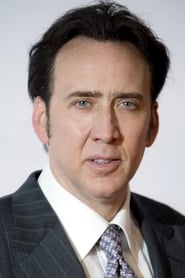
Nicolas Cage, as the enigmatic antagonist, provides a chilling counterpoint to Harker. His portrayal oscillates between calm and manic, especially when he delivers lines with an unsettling calmness that contrasts with the chaos around him. I’ll admit I didn’t expect him to play the role so understated initially. However, a few of his choices teeter on the edge of over-the-top, pulling me out of moments that could have been more effective.
Blair Underwood, while competent as Harker's partner, feels somewhat underutilized. His character serves as a sounding board for Harker, but I kept waiting for him to have a moment that truly showcased his resolve or depth. Unfortunately, much like the narrative's secondary threads, he often fades into the background, which is a missed opportunity given his established talent.
Character Psychology
Lee Harker wants to solve the case of the serial killer to prove herself and escape her past—her success would mean vindication. What she truly needs, however, is to confront the trauma that haunts her, which often clouds her judgment in critical moments.
By the film's conclusion, Harker achieves a form of self-awareness but not without significant cost. She does change, but it raises questions about her future. Her determination leads to a moment where she almost sacrifices her own safety, revealing the inner conflict she can't quite resolve.
Themes & Emotional Depth
Longlegs delves into themes of familial bonds and the burden of legacy. Harker's investigation unearths not just a killer but also the emotional shackles of her own family history that she fights to escape. This is explicitly shown in flashbacks that reveal her connection to the victims and the killer, illustrating how the past shapes the present.
The film also touches upon the nature of evil and personal responsibility. The line between hunter and hunted blurs as Harker confronts not only the killer but also her own fears. The revelation about the killer’s connection to her family roots forces viewers to question how far one would go to protect their loved ones, creating a suspenseful moral quandary throughout.
Memorable Scenes & Dialogue
In one gripping scene, Harker discovers a hidden room in the killer’s lair littered with personal items from his victims. The staging, with flickering lights casting ominous shadows, amplifies the horror, effectively showcasing Harker's escalating fear as she realizes the depths of this criminal's depravity. The physical manifestation of past atrocities makes the horror all the more poignant.
Another standout moment occurs during a chilling phone call between Harker and the killer. The tension builds as he reveals intimate details about her life, demonstrating the psychological cat-and-mouse game at play. This scene works because it strips away action and instead focuses on dialogue, highlighting the power dynamics and instilling a sense of dread that lingers.
The Ending — Does It Deliver?
The film's climax, where Harker finally confronts the killer, is earned through the buildup of emotional and narrative tension. There's a palpable sense of dread as she faces not just the killer but the ghosts of her past. The confrontation brings to light her deepest fears, culminating in a raw and intense sequence that had me on the edge of my seat.
The final shot, a wide-angle view of Harker standing amidst the wreckage of her struggle, left me feeling a mix of closure and uncertainty. It resonates, suggesting that while she may have triumphed over the immediate threat, the scars of her journey remain, hinting at the lasting consequences of her choices.
What Works
What works well in Longlegs is its ability to intertwine psychological horror with a compelling narrative. The eerie visuals, particularly during Harker's discoveries, underscore the film's atmospheric tension. Maika Monroe delivers a standout portrayal of a woman grappling with her past while racing against a menacing killer, drawing viewers into her emotional journey. The dialogue, especially the chilling exchanges between Harker and Cage's character, adds a layer of suspense that lingers well beyond the film's runtime.
Honest Criticism
The reliance on standard tropes for the investigation subplot somewhat hampers the film's originality. The character of Harker's partner, played by Blair Underwood, feels almost disposable at times, serving more as an audience surrogate than a fully realized person. This lack of depth in supporting characters detracts from the overall narrative impact, making certain sections feel uneven compared to Harker's compelling personal arc.
How It Compares
Longlegs shares thematic elements with films like Seven and The Silence of the Lambs, particularly in the way it blends crime with psychological horror. However, Longlegs takes a more introspective approach to its protagonist, which sometimes slows the plot, unlike the relentless pace of those classics. While it may not reach the heights of tension found in the aforementioned films, it carves out its own space by exploring Harker's internal struggle more deeply than mere procedural thrills.
Where it falls short, though, is in character depth for supporting roles like Harker's partner. Compared to the rich character arcs in those classics, some figures here feel like mere ciphers, which detracts from the overall impact.
Legacy & Cultural Impact
Given its mixed critical reception with a TMDB rating of 6.5, Longlegs has sparked some discussion about the portrayal of female protagonists in the crime horror genre. It stands as an example of how psychological narratives can intertwine with traditional thriller tropes, pushing for more depth in character studies. Its influence on future crime-horror blends will be measured as more films aim to balance emotional storytelling with suspenseful elements.
Though it hasn't racked up major awards or box office hits yet, it certainly signals a shift towards exploring the inner workings of characters in thrillers, a conversation that seems to be gaining traction in contemporary cinema.
Behind the Scenes
Nicolas Cage was reportedly cast just weeks before filming began, adding an element of spontaneity to the production. Some key scenes were shot on location in abandoned places to add authenticity to the eerie atmosphere. The film's budget constraints led to several improvised dialogue moments between Monroe and Cage, which surprisingly enhance their tension-filled interactions.
Who Should Watch It?
Fans of psychological horror and crime thrillers will likely appreciate Longlegs for its exploration of dark themes and character depth. However, viewers looking for straightforward horror might want to skip it, as its slower pacing and character-driven narrative could be frustrating for those expecting traditional scares.
Final Verdict
Longlegs is a worthwhile watch for those interested in deeper character studies within the horror genre. While it doesn’t fully escape some cliché elements, it delivers a compelling narrative anchored by Maika Monroe’s strong performance and thought-provoking themes. If you’re seeking a chilling exploration of fear and familial ties, this film should be on your radar.
More details, ratings, and cast information on IMDb, TMDB, Wikipedia. YouTube