- 1Movie Overview
- 2Direction & Cinematography
- 3Cast & Performances
- 4Character Psychology
- 5Themes & Emotional Depth
- 6Memorable Scenes & Dialogue
- 7The Ending — Does It Deliver?
- 8What Works
- 9Honest Criticism
- 10How It Compares
- 11Legacy & Cultural Impact
- 12Behind the Scenes
- 13Who Should Watch It?
- 14Final Verdict
- Genre: Adventure, Action, Mystery
- Director: Jon Turteltaub
- Year: 2004
- Runtime: 2h 11m
- Language: English (EN)
- TMDB Rating: ⭐ 6.7/10
Movie Overview
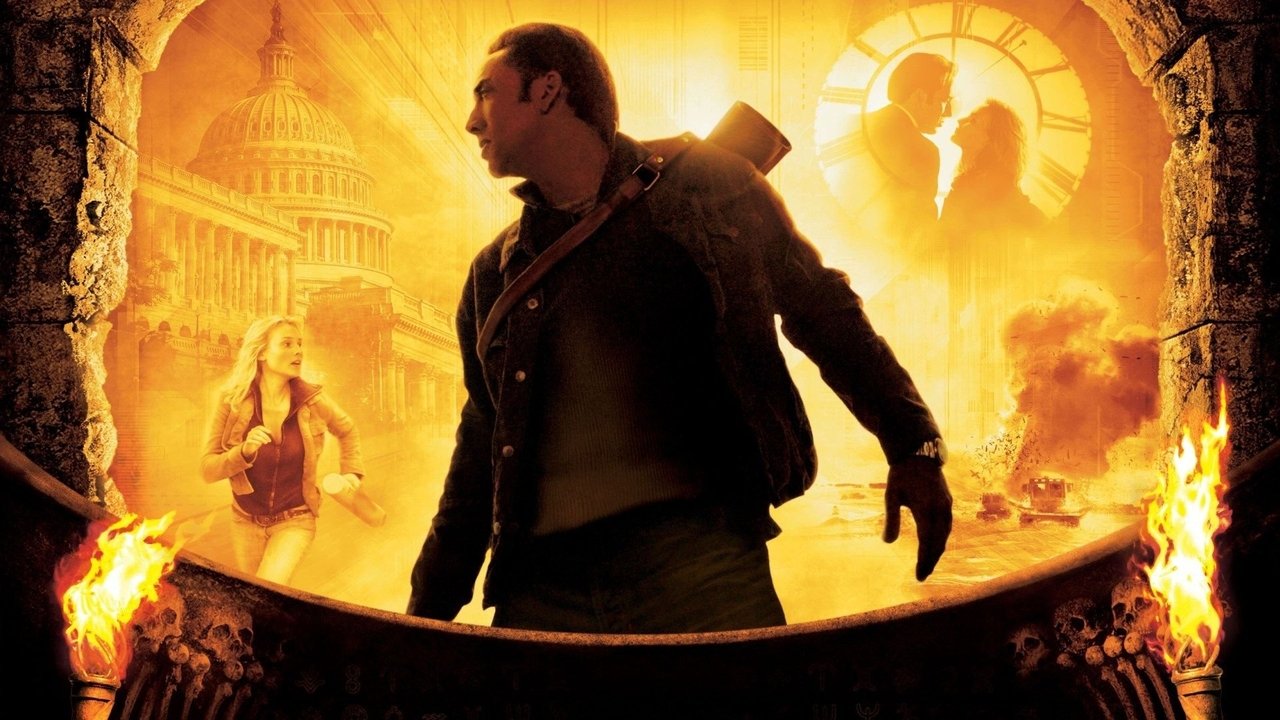
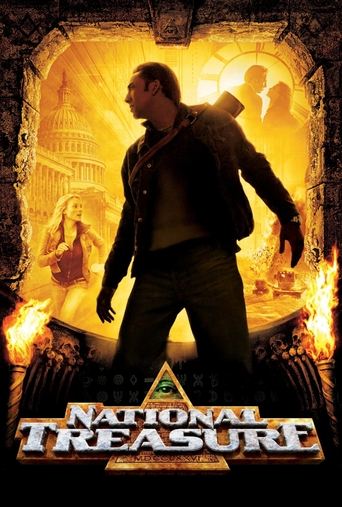
In National Treasure, archaeologist Ben Gates, played by Nicolas Cage, is on a quest that feels like a mix of a history lesson and a treasure hunt. The setup introduces a family legacy of treasure hunting, rooted in the belief that Benjamin Franklin and others hid a grand treasure during the Revolutionary War. Early scenes highlight Ben's determination and the pressure of his family’s expectations, especially from his father, portrayed by Jon Voight. The conflict escalates when Ben learns that a rival, Ian Howe (Sean Bean), is also after the treasure, willing to do whatever it takes to find it first.
The plot thickens as Ben deciphers clues from historical documents, including the Declaration of Independence, leading to intense action sequences. The pacing keeps you engaged, shifting from moments of suspense to lighter comedic interludes, especially with Ben's best friend Riley, played by Justin Bartha. I’ll admit I didn't expect the film to balance these tones as well as it did. However, what stays with me is the way the film intertwines history with personal stakes, creating an emotional arc that, while not profound, adds a layer of depth.
As Ben and his team, including his love interest Abigail Chase (Diane Kruger), dive deeper into their treasure hunt, they face ethical dilemmas about ownership and legacy. There's a heist-like quality to their escapades, particularly when they attempt to steal the Declaration of Independence to protect it from Ian's plans. Each twist leads to a series of clever revelations, but I kept waiting for a more profound exploration of the characters' motivations, and it never really came. The climax ties together their personal and historical quests, but it does so with a familiar formulaic structure.
By the film's end, Ben finds not just treasure, but a sense of belonging and purpose, leading to a predictable but satisfying conclusion. The emotional resolution may not be groundbreaking, but it does leave you reflecting on the importance of history and legacy, even if it could have delved deeper into these themes. In summary, National Treasure combines action and mystery while often adhering to genre conventions, which might leave some viewers craving more depth.
Direction & Cinematography
Jon Turteltaub directs National Treasure with a strong sense of pacing that keeps the viewer engaged. One specific scene that stood out to me is the sequence where Ben and his team break into the archives — the tight framing and careful movement through shadowy corridors build tension effectively. This scene does a nice job of marrying suspense with a real sense of wonder about the hidden history within. I noticed that Turteltaub balances this tension with humor, especially through Riley’s quirky commentary, which adds levity when needed.
The film’s direction shines in how it visually represents historical clues through a modern lens. Turteltaub uses vibrant colors and dynamic shots that connect the past with the present, creating an adventure that feels both relatable and grand. The pacing varies between high-energy chases and quieter moments of discovery, which helps maintain engagement throughout the runtime. However, I found the middle section slowed down slightly, especially when characters pause to explain historical references, which might feel tedious.
What struck me most was the tonal shifts — Turteltaub effectively blends comedy with genuine stakes, particularly in scenes involving Ian Howe, where the threat feels real but is presented in a way that doesn’t alienate family audiences. The direction guides viewers through a treasure map of emotions, from excitement to tension, making sure the adventure feels accessible to a broad audience without sacrificing its sense of fun.
Cast & Performances
Nicolas Cage's portrayal of Ben Gates is a combination of earnestness and quirky charm. His physical choices, like the way he energetically gestures while explaining his theories, make him feel genuinely invested in the treasure hunt. However, there are moments where his seriousness clashes with the light tone of the film, which could be jarring for some viewers. Still, I wasn’t expecting Cage to bring such a blend of enthusiasm and depth to the role.
Diane Kruger’s Abigail Chase has moments of brilliance where her determination shines through, especially in the scenes where she confronts Ben about the ethical implications of their actions. In one scene, her expression shifts from skepticism to excitement as they uncover a clue, showcasing her emotional investment. Yet, I felt her character could have had more agency rather than just being the supportive role in Ben's journey. It bothered me slightly that she occasionally fades into the background during critical moments when she could assert herself.
Justin Bartha as Riley provides much of the comic relief and serves as a relatable voice for the audience. His physical comedy, particularly during tense scenes, adds a layer of humor that lightens the atmosphere. In a standout moment, Riley's frantic attempts to keep up with Ben's plans, especially when the stakes rise, are both funny and endearing. However, there are times when Bartha's character feels more like the sidekick than a fully developed individual, which might disappoint viewers looking for more substance.
Character Psychology
Ben Gates wants to uncover the treasure, driven by a lifelong obsession and the pressure of family expectations. To him, finding the treasure symbolizes not just a financial reward but also a way to prove his worth and secure his legacy. However, what Ben actually needs is to reconcile his ambition with personal relationships, particularly with his estranged father, which becomes evident as the film progresses.
Though Ben shows some awareness of what truly matters, he often gets trapped in a cycle of ambition. By the end, he’s achieved his goal, but the film hints that the journey toward understanding family and history holds more significance than the treasure itself. Still, this realization isn’t profoundly explored, leaving a somewhat unfulfilled arc.
Themes & Emotional Depth
At its core, National Treasure dives into themes of legacy and the value of history. The hunt for the treasure represents a deeper exploration of how our past shapes our identities. In a key scene where Ben discusses the founding fathers and their intentions, it’s clear that he sees the treasure as a way to honor them while also forging his path.
Moreover, the film addresses the moral implications of ownership and discovery. As Ben grapples with the idea of whether he has the right to claim what he uncovers, it raises questions about who truly owns history. This theme is subtly woven through the narrative, particularly in the interactions he has with Abigail and Ian, though I wished it had been examined more thoroughly.
Memorable Scenes & Dialogue
One standout scene occurs when Ben and his team attempt to decrypt the map hidden in the Declaration of Independence. The meticulous attention to detail and the tension in the atmosphere keep viewers on the edge of their seats. The writing is sharp, with dialogue that blends excitement with urgency, making it compelling without feeling overdone.
Another memorable moment is during the climax when Ben confronts Ian on the ship. The staging here is effective as it combines high stakes with emotional weight, showcasing Ben’s growth as he stands up for what he believes in. The combination of Cage’s intensity and the backdrop of historical significance makes this moment resonate, highlighting both character development and plot progression.
The Ending — Does It Deliver?
The climax delivers a satisfying culmination of Ben's journey, earning the emotional weight of the preceding scenes. As Ben finally uncovers the treasure, the moment feels rewarding, both for him and the audience. I didn’t expect the emotional stakes to elevate as the film nears its conclusion, but it surprised me by intertwining personal revelations with the treasure hunt.
The final shot, showing Ben with his family, leaves a warm feeling that reinforces the importance of connections. It’s a neat wrap-up that, while standard for adventure films, resonates enough to give a sense of closure without feeling clichéd.
What Works
The clever integration of historical clues throughout National Treasure works well, pulling viewers into a narrative that feels both fun and educational. The scene where Ben explains the significance of the clues, paired with Cage's enthusiasm, is particularly engaging. Additionally, the chemistry among the cast adds charm, especially between Cage and Bartha, providing levity amid the high stakes. The pacing keeps the film entertaining, ensuring that there's never a dull moment.
Honest Criticism
However, the subplot involving Ian's backstory feels underdeveloped, leaving his motivations somewhat unclear. While Sean Bean brings a charismatic presence, the character lacks depth beyond being a standard antagonist, which diminishes the overall tension. It could have elevated the stakes significantly if more focus was given to why Ian is so desperate to find the treasure, rather than making him a mere foil to Ben.
How It Compares
National Treasure can be compared to films like Raiders of the Lost Ark and The Da Vinci Code. While Raiders nails the blend of adventure and character depth, National Treasure thrives in its comedic elements and family-friendly appeal. However, it falls short of Raiders' iconic status due to its lighter tone and less compelling character arcs.
The Da Vinci Code offers a more serious take on historical mysteries but lacks the charm and humor found in National Treasure. In this sense, the film excels in accessibility and entertainment, though it sacrifices some of the weighty themes that its counterparts tackle more effectively.
Legacy & Cultural Impact
Though National Treasure didn’t sweep the awards circuit, it became a box office success, grossing over $347 million worldwide against a budget of $100 million. It started a conversation around historical adventure films, proving that audiences appreciated a blend of action and education. The film's legacy endures, having sparked interest in American history and leading to a sequel, National Treasure: Book of Secrets, which continued the adventures of Ben Gates and his crew.
Behind the Scenes
Nicolas Cage was initially hesitant to take on the role of Ben Gates, but he changed his mind after learning about his character’s passion for history. The scene where Ben steals the Declaration of Independence was filmed with a replica due to security concerns, which led to some unique staging decisions. Additionally, the film's budget constraints meant that some action sequences had to be scripted to minimize special effects, which shaped the final product significantly.
Who Should Watch It?
Fans of lighthearted adventure films will likely love National Treasure, especially those who enjoy a blend of history and action. Families looking for an entertaining movie night will find it accessible and engaging. Conversely, viewers expecting a serious historical drama or profound character exploration might want to skip this one, as it doesn’t delve deeply into its themes.
Final Verdict
National Treasure is an enjoyable escapade that mixes humor with adventure, making it a solid pick for family viewing. While it doesn’t reach the depth of its inspirations, the film effectively entertains and educates, appealing to a wide audience. I’d recommend it for those seeking a fun treasure hunt with some historical flair. It's worth your time if you're in the mood for an entertaining, if not groundbreaking, adventure.
More details, ratings, and cast information on IMDb, TMDB, Wikipedia. YouTube