- 1Movie Overview
- 2Direction & Cinematography
- 3Cast & Performances
- 4Character Psychology
- 5Themes & Emotional Depth
- 6Memorable Scenes & Dialogue
- 7The Ending — Does It Deliver?
- 8What Works
- 9Honest Criticism
- 10How It Compares
- 11Legacy & Cultural Impact
- 12Behind the Scenes
- 13Who Should Watch It?
- 14Final Verdict

- Genre: Science Fiction, Thriller, Action
- Director: Alfonso Cuarón
- Year: 2006
- Runtime: 1h 49m
- Language: English (EN)
- TMDB Rating: ⭐ 7.6/10
Movie Overview
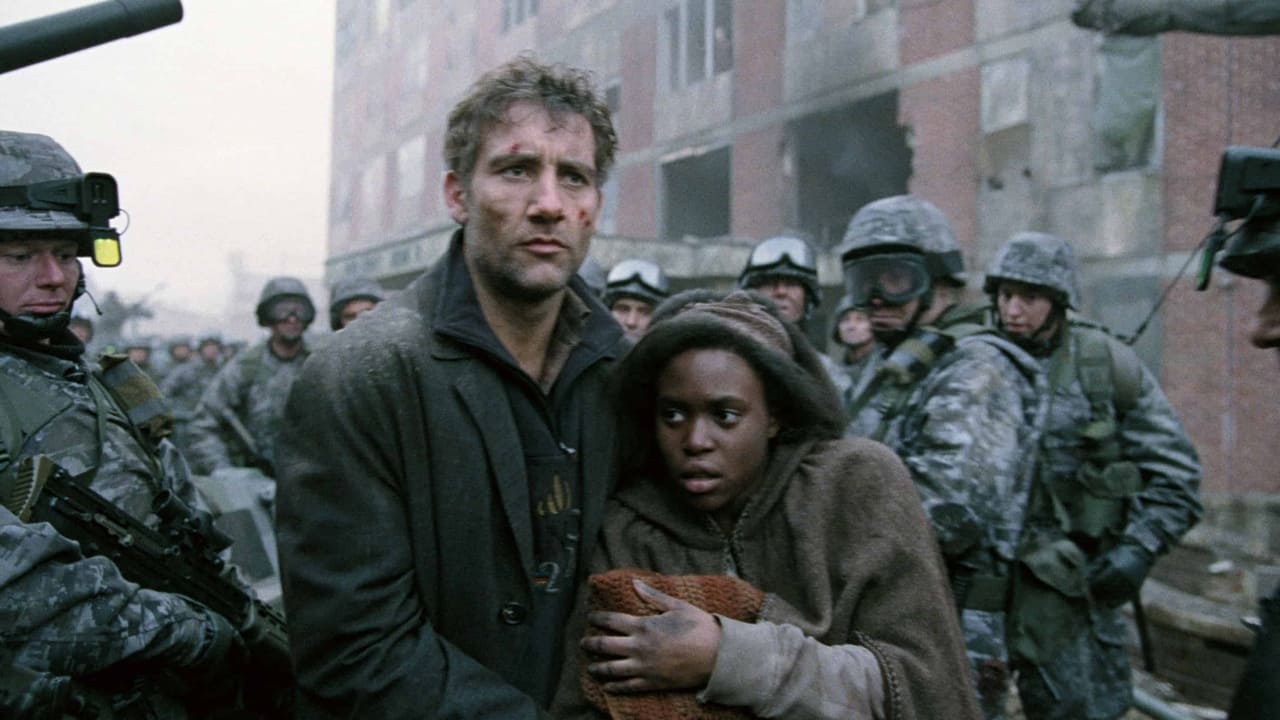
In 2027, the world is a chaotic landscape where humanity has lost the ability to procreate. Clive Owen's character, Theo, is a former activist who is thrust into a mission when he learns of a miraculous pregnancy. This event symbolizes fragile hope in a society that has all but given up. As Theo navigates the dangers of a crumbling society, the stakes escalate. The emotional arc centers around Theo's transformation, driven by a new sense of purpose as he risks everything to protect a young woman named Kee, played by Clare-Hope Ashitey, who carries the unborn child.
The film's setting effectively depicts a bleak world filled with despair, yet Kee's pregnancy becomes a beacon of hope. Struggling against authoritarian forces and societal collapse, Theo's character reflects the weight of hopelessness but gradually learns the importance of responsibility. The film builds tension as the group faces external threats and internal conflicts, showcasing the spectrum of human reactions to despair.
I kept waiting for a moment to break the tension with levity, but it never came. Instead, every scene reinforces the desperate stakes. The final act culminates in a high-octane escape that tests Theo's resolve and commitment, changing his outlook forever. The film excels at creating an atmosphere of urgency and fear, allowing viewers to feel the weight of the characters’ struggles. What stayed with me after the credits was the profound question of what it means to protect the future when the present feels so hopeless.
Direction & Cinematography
Alfonso Cuarón directs Children of Men with a striking visual style that enhances the story's bleak themes. One of the film's standout shots is its use of long takes, particularly during the car ambush scene where the camera remains inside the vehicle, capturing chaos outside as Theo and Kee are attacked. This choice immerses viewers in the action, making them feel as if they're part of the unfolding drama. The pacing rarely allows for breathing room, reflecting the urgent stakes of the narrative.
What struck me most was Cuarón's ability to balance intense action with quiet, contemplative moments. The cinematography often contrasts the violence outside with Theo's internal struggle. The tone feels relentlessly oppressive, yet there are brief moments of tenderness, especially between Theo and Kee. I'm not sure how Cuarón achieved this without losing the film's momentum, but it resulted in a gripping, anxiety-inducing experience.
But the emotional depth comes not just from visuals but also from thematic weight. Cuarón's direction keeps the audience focused on the characters’ humanity amidst the chaos, making the stakes feel deeply personal. The result is a film that compels you to reflect on what it means to hold on to hope in desperate times. On rewatch, I noticed nuances in the performances that resonated more deeply each time, adding layers to my understanding of the film's emotional core.
Cast & Performances
Clive Owen's portrayal of Theo is marked by a weary intensity that perfectly reflects the character's disillusionment. In key scenes, like when he first meets Kee, Owen captures the initial disbelief with subtle body language — a slight shake of the head and narrowed eyes that convey skepticism and hope simultaneously. However, I’ll admit I didn’t expect his transformation to hit me as hard as it did; his evolution from apathy to commitment is compelling and layered.
Clare-Hope Ashitey delivers a performance that balances vulnerability and strength. Her portrayal of Kee, especially during the scenes where she confronts the reality of her pregnancy, feels earnest and raw. A memorable moment occurs when Kee, both terrified and determined, takes charge in the midst of chaos, showcasing a maternal instinct that drives the film's emotional stakes. I found her character refreshing against the backdrop of male despair, yet I wished for more depth in her backstory.
Michael Caine as Jasper provides a needed dose of warmth. His delivery of lines like “You’re a fucking rabbit!” offers both humor and gravity in equal measure. Caine’s physical presence — slouched and disheveled — contrasts sharply with Theo's seriousness, creating effective moments of levity. While his character adds a unique perspective, I felt his storyline could have been given more weight, as it often felt secondary to the main plot.
Character Psychology
Theo begins as a man disconnected from his surroundings, primarily wanting to survive in a chaotic world. However, what he truly needs is a purpose beyond mere survival. His journey with Kee unveils a deep-seated need for responsibility and connection, pushing him to act against a world steeped in despair. By the end, he transitions from a passive bystander to an active protector, suggesting a newfound awareness of his role in the future.
Theo's self-awareness grows through his interactions with Kee and the challenges they face. Though he initially seems resigned to his fate, the stakes of Kee’s pregnancy catalyze his transformation. He ultimately fails to reclaim his old activist spirit, but he learns the importance of fighting for the future, even in a world that seems beyond saving.
Themes & Emotional Depth
Children of Men digs into themes of hope and humanity's resilience in times of despair. The moment where Kee gives birth in a decaying building surrounded by chaos juxtaposes the miracle of life with the harsh realities of their world. This scene exemplifies how hope can flourish even in the darkest environments.
The film also explores the impact of societal collapse on individual identity. Theo's journey reflects a struggle against hopelessness, but it questions whether individuals can effect change in an environment that feels overwhelmingly bleak. The film's ending suggests that the fight for a better future is worth the struggle, even if it feels futile, resonating with universal themes of survival and sacrifice.
Memorable Scenes & Dialogue
One of the most striking scenes occurs when Theo and Kee are ambushed in the car. The long take transports you directly into the chaos, making the audience feel trapped alongside the characters. Cuarón’s decision to keep the camera inside the vehicle allows you to feel the panic and urgency of their situation. This scene exemplifies the film's relentless tension, encapsulating the unpredictability of their world.
Another impactful moment is when Theo witnesses the birth of Kee's baby. The cacophony of gunfire and chaos outside contrasts dramatically with the intimate, serene moment of new life entering the world. This juxtaposition serves to emphasize the fragility of hope amidst despair, making it a powerful emotional anchor in the film.
The Ending — Does It Deliver?
The climax of Children of Men delivers a sense of urgency that feels earned by the surrounding narrative. Theo's struggle culminates in a chaotic rescue that keeps viewers on the edge of their seats. What surprised me most was how the film didn't opt for a traditional triumphant conclusion; instead, it leaves moments of uncertainty that reflect the overall tone. The final shot, which reveals hope amidst destruction, left me pondering what it means to fight for a future that feels so precarious.
The film’s ending resonates on an emotional level, evoking a mix of sadness and cautious optimism. It captures the essence of humanity's struggle against overwhelming odds and suggests that even in darkness, the flicker of hope can lead to profound changes. It's a powerful conclusion that emphasizes the film's lasting impact.
What Works
The performances truly elevate this film. Clive Owen's transformation as Theo pulls you into his internal struggle, especially during moments like the car ambush. The cinematography is also exceptional, with long takes that bring you directly into the chaos, such as in the aforementioned ambush scene. The thematic depth and emotional weight resonate throughout, particularly in the moments surrounding Kee's pregnancy and the birth scene, which starkly juxtaposes hope against the backdrop of despair.
Honest Criticism
However, I felt that the character of Jasper, played by Michael Caine, could have been explored further. While his moments provide levity, his backstory feels underdeveloped when compared to others. The script flirts with interesting ideas about his past, but it never fully materializes, making him feel more like a supporting character than a fully realized individual. This oversight slightly detracts from the overall narrative strength.
How It Compares
Children of Men stands alongside films like The Road and Mad Max: Fury Road in its bleak depiction of dystopian futures. However, what sets this film apart is its focus on hope and the human spirit, rather than mere survival. While The Road often feels mired in despair, Children of Men balances tension with moments of humanity that resonate profoundly.
In contrast to Mad Max: Fury Road's relentless action, Cuarón's film employs a slower build, allowing for character development and emotional depth. Although this decision might alienate viewers seeking non-stop action, it enriches the narrative, making the stakes feel real and personal.
Legacy & Cultural Impact
Critically, Children of Men received a positive reception, holding a 92% rating on Rotten Tomatoes and earning three Academy Award nominations, including Best Adapted Screenplay. It grossed over $70 million worldwide, marking it as a financial success, especially for a sci-fi film of its kind. Its influence can be seen in later dystopian works that similarly explore themes of hope amid chaos.
The film has sparked conversation around issues like immigration and societal collapse, remaining relevant in today's discussions about global crises. It has inspired filmmakers to consider how to evoke emotion through visual storytelling, proving that dystopian narratives can challenge viewers to reflect on their realities.
Behind the Scenes
The role of Theo was initially offered to multiple actors, including Daniel Craig and Hugh Jackman, before Clive Owen was cast. Cuarón shot the film in chronological order to maintain the characters' emotional arcs, which is quite rare in filmmaking. Additionally, the iconic car ambush scene required extensive planning and rehearsals, with the actors performing multiple takes in a single shot to create that immersive experience.
Who Should Watch It?
Viewers who appreciate thought-provoking sci-fi that delves into cultural and social issues will likely love Children of Men. Those expecting a straightforward action-packed thriller might find it dragging in parts. It's not for everyone but definitely resonates with those who value character-driven narratives and impactful themes.
Final Verdict
Children of Men is a powerful dystopian film that artfully combines action with emotional depth. Clive Owen’s performance and Cuarón’s direction create a gripping experience that stays with you long after the credits roll. It’s a film worth watching for its unique exploration of hope and humanity amidst chaos, though its slower pacing may challenge some viewers.
More details, ratings, and cast information on IMDb, TMDB, Wikipedia. YouTube