- 1Movie Overview
- 2Direction & Cinematography
- 3Cast & Performances
- 4Character Psychology
- 5Themes & Emotional Depth
- 6Memorable Scenes & Dialogue
- 7The Ending — Does It Deliver?
- 8What Works
- 9Honest Criticism
- 10How It Compares
- 11Legacy & Cultural Impact
- 12Behind the Scenes
- 13Who Should Watch It?
- 14Final Verdict
- Genre: Adventure, Science Fiction, Action
- Director: Luc Besson
- Year: 2017
- Runtime: 2h 17m
- Language: English (EN)
- TMDB Rating: ⭐ 6.6/10
Movie Overview
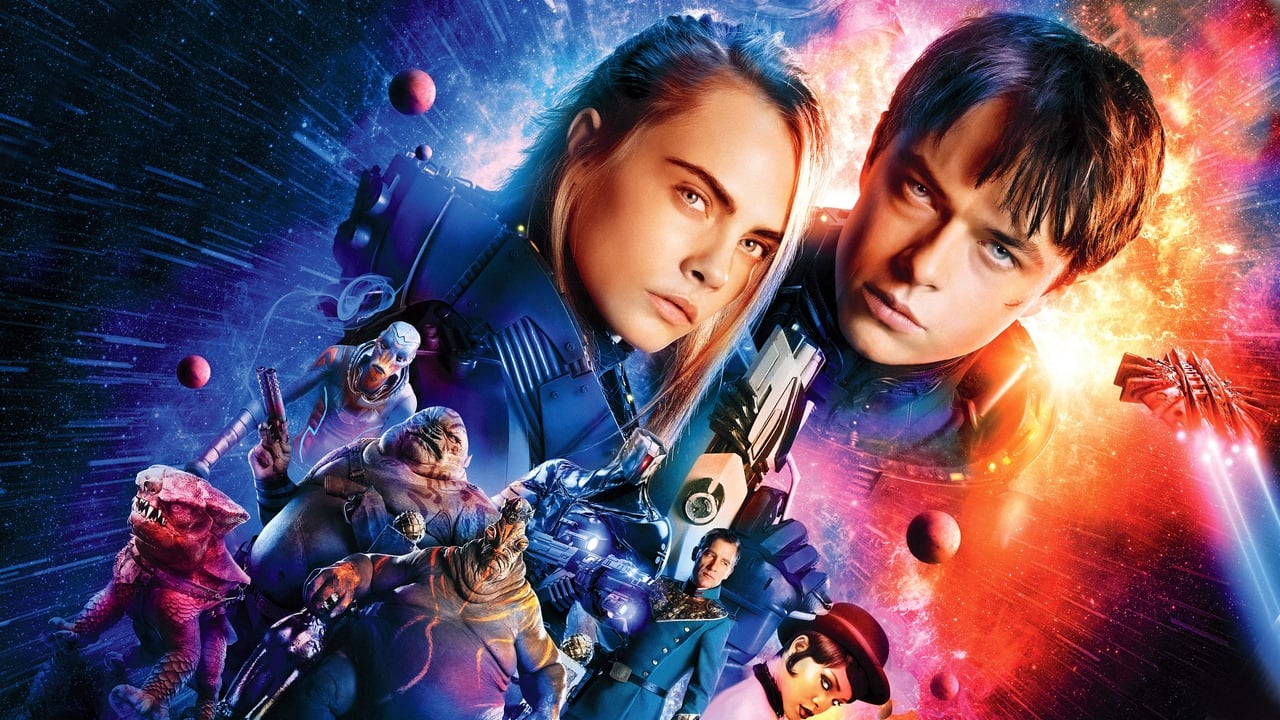
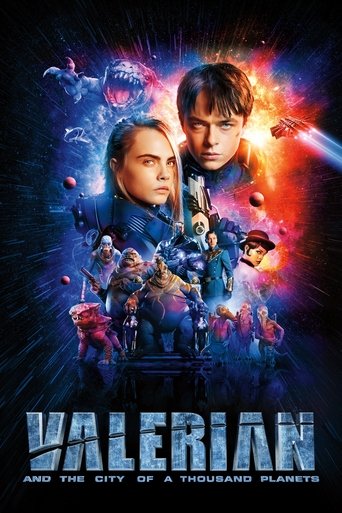
Valerian (Dane DeHaan) and Laureline (Cara Delevingne) are space agents in the 28th century, tasked with retrieving a stolen artifact that turns out to be the last surviving member of an exterminated species. The film opens with a breathtaking montage of Alpha space station's construction across centuries — an early high point that the rest of the film can't quite match. Their mission takes them through neon-drenched alien markets and shifting dimensions, but the plot mechanics feel secondary to the world-building. What stayed with me after the credits wasn't the central mystery, but the glimpses of alien cultures sharing a single massive city. The emotional core — a genocide cover-up — gets lost in the frantic pace, though Besson gives it one genuinely moving reveal scene.
Direction & Cinematography
Luc Besson directs with his usual maximalist flair — Alpha Station's design is a dizzying cross between Blade Runner's density and Fifth Element's carnivalesque energy. That opening docking sequence where ships from hundreds of species connect over centuries is pure visual storytelling. But the film loses its rhythm whenever it shifts from spectacle to romance; Valerian's attempted seduction of Laureline plays like a first draft. I'll admit I didn't expect so many Dutch angles — they make the action feel unstable when it should be fluid. What struck me on rewatch: Besson holds shots just a few seconds too long during dialogue scenes, as if waiting for chemistry that never ignites.
Cast & Performances
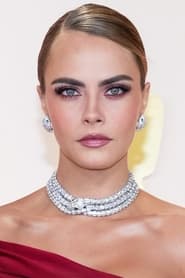
Dane DeHaan's Valerian has the swagger of someone trying to convince himself he's Harrison Ford. His line readings in romantic moments land with the charm of a phishing email — though he's genuinely compelling in purely physical scenes, like the zero-gravity chase. Cara Delevingne fares better, grounding Laureline with dry wit and a refusal to play damsel. Clive Owen phones in a generic military villain role, but Ethan Hawke steals his single scene as a flamboyant alien pimp. Rihanna's shape-shifting dancer Bubble gets the film's most visually arresting sequence, though the character vanishes as abruptly as she appears.
Character Psychology
Valerian wants to be seen as the galaxy's coolest agent, but needs to grow up — his childish possessiveness toward Laureline undermines every attempted hero moment. Laureline already knows she's the smarter half of the duo, but the script won't let her fully lead. They're trapped in a will-they-won't-they dynamic that the actors can't sell, though Delevingne's eyerolls suggest she knows exactly how thin the material is. The most self-aware character is actually Bubble, who literally performs roles for survival.
Themes & Emotional Depth
Beneath the neon, this is about cultural erasure — Alpha's gleaming towers are built on genocide, literalized through the pearly-skinned alien refugees. The film's best scene has no dialogue: a species' final moments recreated through holographic echoes. But it's undermined by the comic-book villainy of the actual antagonists. Besson wants to critique colonialism while also reveling in its aesthetic — the tension never resolves.
Memorable Scenes & Dialogue
The interdimensional market chase shows Besson at his best: Valerian phases through walls while Laureline navigates parallel versions of the same alley, each dimension's physics subtly different. Rihanna's burlesque performance as Bubble shifts between eras and genres — it's the one time the film's excess feels purposeful. The holographic genocide reveal lands with actual weight, thanks to composer Alexandre Desplat's mournful strings undercutting the visual spectacle.
The Ending — Does It Deliver?
The final confrontation resolves too neatly, with a deus ex machina that made me groan — the aliens' solution comes from nowhere in the established rules. What surprised me most was how little I cared about the leads' fate compared to the minor characters they'd met. That last shot of Alpha restored to harmony should feel triumphant, but it's undercut by the nagging sense that the interesting stories are happening offscreen.
What Works
The production design creates a lived-in universe where every frame bursts with alien cultures. Laureline's pragmatic humor cuts through the self-seriousness. The zero-gravity action sequence is inventively staged, with bodies and debris tumbling through corridors in ways that recall 2001. Alexandre Desplat's score blends electronic pulses with classical grandeur — it deserved a better film.
Honest Criticism
Valerian's romantic pursuit of Laureline plays like harassment passed off as charm. The Pearl aliens' subplot gets reduced to magical native stereotypes. The third act introduces new villains so abruptly that Clive Owen's character might as well be holding a 'twist villain' sign.
How It Compares
It wants to be The Fifth Element's spiritual successor but lacks that film's anarchic joy — Valerian takes itself seriously in all the wrong places. Jupiter Ascending was similarly messy, but at least leaned into its absurdity. Avatar shares the anti-colonial theme but commits to its message. Besson's film falls awkwardly between sincerity and camp.
Legacy & Cultural Impact
A box office bomb ($225 million budget, $225 million gross), it killed Besson's planned franchise despite being Europe's most expensive indie production. Critics called it 'visually inventive but emotionally hollow' — a fair assessment. Its real impact was proving motion-capture aliens could be more compelling than human leads, something Avatar 2 later capitalized on.
Behind the Scenes
Besson wrote the script in the 90s but waited for technology to catch up with his vision. DeHaan was cast after negotiations with Ryan Gosling fell through. The film used over 2,700 VFX shots — more than Avengers: Infinity War.
Who Should Watch It?
Visually-driven sci-fi fans who can forgive weak scripts will find things to love. Anyone needing strong character arcs or plausible romance should steer clear. Ideal for late-night viewing when you're too tired to notice plot holes.
Final Verdict
Valerian is a film I respect more than enjoy — its ambition outweighs its execution. That 6.6 IMDb rating feels right: not terrible, not great, but impossible to ignore. Watch it for the world-building, stay for Rihanna's shapeshifting cabaret, leave before thinking too hard about the plot. The film's best moments justify its existence, but just barely.
More details, ratings, and cast information on IMDb, TMDB, Wikipedia. YouTube