- 1Movie Overview
- 2Direction & Cinematography
- 3Cast & Performances
- 4Character Psychology
- 5Themes & Emotional Depth
- 6Memorable Scenes & Dialogue
- 7The Ending — Does It Deliver?
- 8What Works
- 9Honest Criticism
- 10How It Compares
- 11Legacy & Cultural Impact
- 12Behind the Scenes
- 13Who Should Watch It?
- 14Final Verdict
- Genre: Action, Drama, Thriller
- Director: Brad Peyton
- Year: 2015
- Runtime: 1h 54m
- Language: English (EN)
- TMDB Rating: ⭐ 6.2/10
Movie Overview
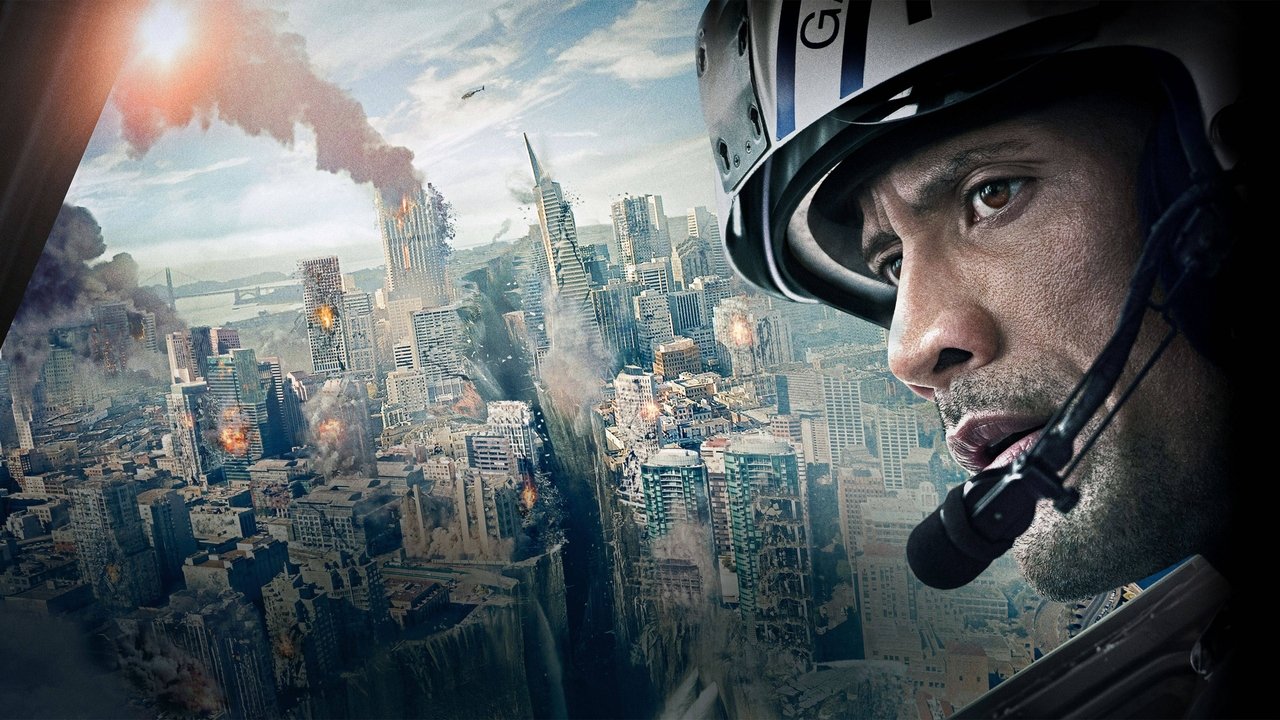
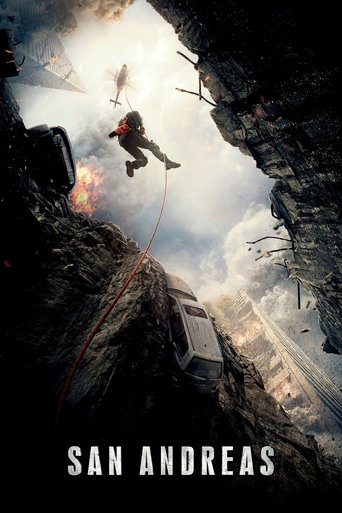
San Andreas kicks off with a gripping sequence as Ray Gaines (Dwayne Johnson), a rescue-chopper pilot, faces a catastrophic earthquake while on a mission to save stranded civilians. The early scenes set a thrilling tone, introducing us to Ray's estranged family, including his soon-to-be ex-wife Emma (Carla Gugino) and their daughter Blake (Alexandra Daddario). The emotional stakes rise sharply when Ray learns that Emma and Blake are in San Francisco as the disaster escalates. As Ray embarks on a perilous journey to rescue them, the film shifts from a personal conflict to a more expansive disaster narrative.
Throughout his journey, the film juxtaposes Ray's heroic rescue efforts with the human stories of those affected by the quake. This includes Blake’s encounters with other survivors, particularly a wealthy British couple (Ioan Gruffudd and Archie Panjabi) who complicate her situation. The narrative focuses on Ray's determination to reunite with his family and protect them from increasingly dire circumstances, showcasing his evolution from a broken family man to a determined hero.
What struck me was how the family dynamics drive much of the emotional weight, even amid CGI destruction. Ray's relentless pursuit of his daughter becomes not just a rescue mission but a quest for redemption. The film explores how natural disasters disrupt lives and relationships, channeling fear and chaos into personal revelations. In the end, as the disaster peaks and the stakes rise, the film delivers both action-packed sequences and moments of family reconnection.
The undertones of reconciliation resonate through their perilous journey, though I kept waiting for deeper character exploration — something that never really came. Still, the film manages a balance between high-stakes action and personal stakes, which kept my interest until the closing credits.
Direction & Cinematography
Brad Peyton's direction in San Andreas fuses high-octane action with moments of personal reflection, though he sometimes leans into cliché. The opening shots of Los Angeles, with Ray's helicopter swooping over the city, showcase a vibrant yet vulnerable setting. Peyton captures the chaos of nature's fury with sweeping visuals, especially during the earthquake scenes, where the ground literally shakes beneath the characters' feet. The sheer scale of destruction combined with Ray's rescue efforts creates a captivating yet overwhelming atmosphere.
But what struck me most was Peyton's choice to blend CGI mayhem with practical effects, enhancing tension in climactic scenes. During the San Francisco collapse, the camera follows Ray and Blake through a crumbling skyscraper, which felt immersive and intense. The pacing is quick, maintaining a sense of urgency, though I felt some of the quieter moments were rushed. I noticed how these rushed beats left little room for character growth, resulting in a shallow emotional payoff.
The tone fluctuates between thrilling and melodramatic, which can be distracting. Peyton's attempts to weave in moments of levity with one-liners are hit-or-miss, often undercutting the realism of the disaster. Still, the film succeeds in creating a sense of urgency, and the direction keeps the audience engaged even when the emotional beats feel predictable.
Cast & Performances
Dwayne Johnson brings a physicality to Ray that’s simultaneously endearing and commanding. His emotional range is on display when he receives a panicked call from Blake during the earthquake. The look of desperation in his eyes sells the stakes, making viewers root for his success. I'll admit I didn't expect such depth from Johnson, who often relies on his charisma alone.
Alexandra Daddario as Blake showcases her versatility, transitioning from a frightened young woman into a resourceful survivor. A standout moment occurs when she faces danger head-on, demonstrating grit that contradicts her earlier portrayal. However, her chemistry with Ioan Gruffudd felt forced, leaving me questioning the authenticity of their relationship.
Carla Gugino delivers a solid performance as Emma, capturing a mother's fear and resolve during the crisis. Her frantic attempts to keep Blake safe while navigating the chaos adds emotional weight. Yet, I felt her character could have been fleshed out further; at times, it bothered me slightly that her role seemed secondary, overshadowed by Ray’s heroic feats.
Character Psychology
Ray's primary desire is to save his daughter and rebuild their fractured family. Beneath his rugged exterior lies a man grappling with guilt over his crumbling marriage. He needs to confront his emotional barriers, but that understanding never fully develops; instead, it gets overshadowed by the urgency of their survival. In many ways, he remains unaware of how his personal failures contribute to their situation.
Ultimately, Ray's journey transcends mere rescue; it becomes a quest for redemption. While he succeeds in saving Blake, the film doesn’t delve into whether he truly changes as a person — it's more about the action than about the character's internal evolution. I kept waiting for a moment of self-awareness, and it never came, which left me wanting more.
Themes & Emotional Depth
At its core, San Andreas touches on resilience and the fragility of family bonds amidst chaos. The earthquake serves as a metaphor for the cracks in Ray's family dynamic and highlights how disaster can either break or strengthen relationships. Specific moments, such as Ray's desperation to reach Blake, anchor the film's exploration of familial love.
Moreover, the film also comments on heroism in the face of calamity. Ray exemplifies the lengths a parent will go to protect their child, demonstrating that courage isn't just about physical strength but emotional tenacity. Yet, the film occasionally sidesteps deeper emotional exploration, opting instead for spectacle over substance, which feels like a missed opportunity.
Memorable Scenes & Dialogue
One moment that stands out is when Ray pilots his helicopter through a collapsing San Francisco skyline in a desperate attempt to save Emma and Blake. The cinematography captures the chaos vividly; the use of practical effects here makes the scene more impactful, as you feel the debris raining down. This sequence encapsulates the film's strengths: action-packed pacing matched with emotional stakes.
Another strong scene occurs when Blake confronts her own fears while navigating through a flooded building. The tension builds as she must decide whether to save herself or help a trapped survivor. The writing here is tight, allowing her character to shine as someone who grows from frightened bystander to a courageous survivor.
Lastly, the moment when Ray finally reunites with Blake is both heart-wrenching and triumphant. The simplicity of their embrace amidst the chaos serves as a reminder of the film's emotional center, illustrating that family is worth fighting for, even when the world is falling apart.
The Ending — Does It Deliver?
The final moments of San Andreas hit a bittersweet note as Ray and his family reunite after the chaos. It’s a culmination of his hero's journey, though it felt slightly unsatisfying due to the predictable resolution. I was hoping for a moment of reflection, perhaps a deeper conversation about their future, but the focus remained on action instead.
What stayed with me after the credits rolled was the realization that while the film offers thrills, it often sacrifices deeper emotional connections. The final shot conveys hope, yet it leaves the audience with more questions than answers about the family's future beyond the disaster.
What Works
The action sequences in San Andreas are well-executed, particularly the helicopter rescue scenes that showcase Peyton's direction and Johnson's performance. The film features impressive visual effects, especially during the San Francisco earthquake, which effectively immerses the audience in the chaos. Daddario's transformation from a frightened bystander into a resilient survivor is another highlight, adding a layer of intrigue to the narrative. The emotional moments between Ray and Blake manage to tug at the heartstrings, even amidst the spectacle.
Honest Criticism
The subplot involving the wealthy British couple feels extraneous and detracts from the main narrative. Their presence complicates Blake's survival journey but lacks depth, making their storyline feel like an unnecessary distraction. Moreover, the predictability of certain character arcs detracts from the potential for emotional resonance. I kept waiting for surprises or deeper character interactions, but instead, we got standard tropes that felt tired by the end of the film.
How It Compares
San Andreas draws clear comparisons to other disaster films like The Day After Tomorrow and 2012, both of which feature similar themes of survival amidst catastrophe. However, this film differs in its focus on personal relationships rather than just global destruction. It puts a family-centric lens on disaster, which gives it a unique flavor.
Where it falls short is in character development. Unlike The Day After Tomorrow, which manages to blend personal growth with disaster, San Andreas often sidelines emotional depth for spectacle. It’s entertaining, but it lacks the weight of its contemporaries, leaving a sense of longing for more substance.
Legacy & Cultural Impact
Despite its mixed reviews, San Andreas grossed over $474 million worldwide, indicating strong audience interest in disaster films. Critics pointed out its visual effects, though many felt the story fell flat. It's often remembered as a quintessential ‘Dwayne Johnson saves the day’ film, but also as a representation of modern disaster cinema where action often overshadows character.
The film sparked discussions around the genre's evolution, particularly how technology has changed the portrayal of destruction in films. Its influence can be seen in other recent disaster flicks that prioritize CGI spectacle, which has become a hallmark of the genre.
Behind the Scenes
The production faced a tight schedule and limited budget, which influenced the decision to use realistic locations in Los Angeles instead of full CGI environments. Dwayne Johnson’s character was initially scripted to have a more extensive backstory, but those scenes were cut due to pacing issues. Interestingly, Alexandra Daddario's character was originally intended to be a minor role, but her audition impressed the filmmakers, leading them to expand her character significantly.
Who Should Watch It?
Action enthusiasts who enjoy a mix of disaster and family drama will likely love San Andreas. If you're seeking films with robust character development and nuanced storytelling, you might want to skip this one. It's a ride built for viewers looking for thrills, not deep emotional engagement.
Final Verdict
San Andreas offers a solid dose of action with Dwayne Johnson at the helm, but it falters in character depth and emotional engagement. The predictable plot and shallow character arcs prevent it from being truly memorable. If you're in the mood for mindless entertainment, this film fits the bill — but don’t expect much more than that.
More details, ratings, and cast information on IMDb, TMDB, Wikipedia. YouTube