- 1Movie Overview
- 2Direction & Cinematography
- 3Cast & Performances
- 4Character Psychology
- 5Themes & Emotional Depth
- 6Memorable Scenes & Dialogue
- 7The Ending — Does It Deliver?
- 8What Works
- 9Honest Criticism
- 10How It Compares
- 11Legacy & Cultural Impact
- 12Behind the Scenes
- 13Who Should Watch It?
- 14Final Verdict
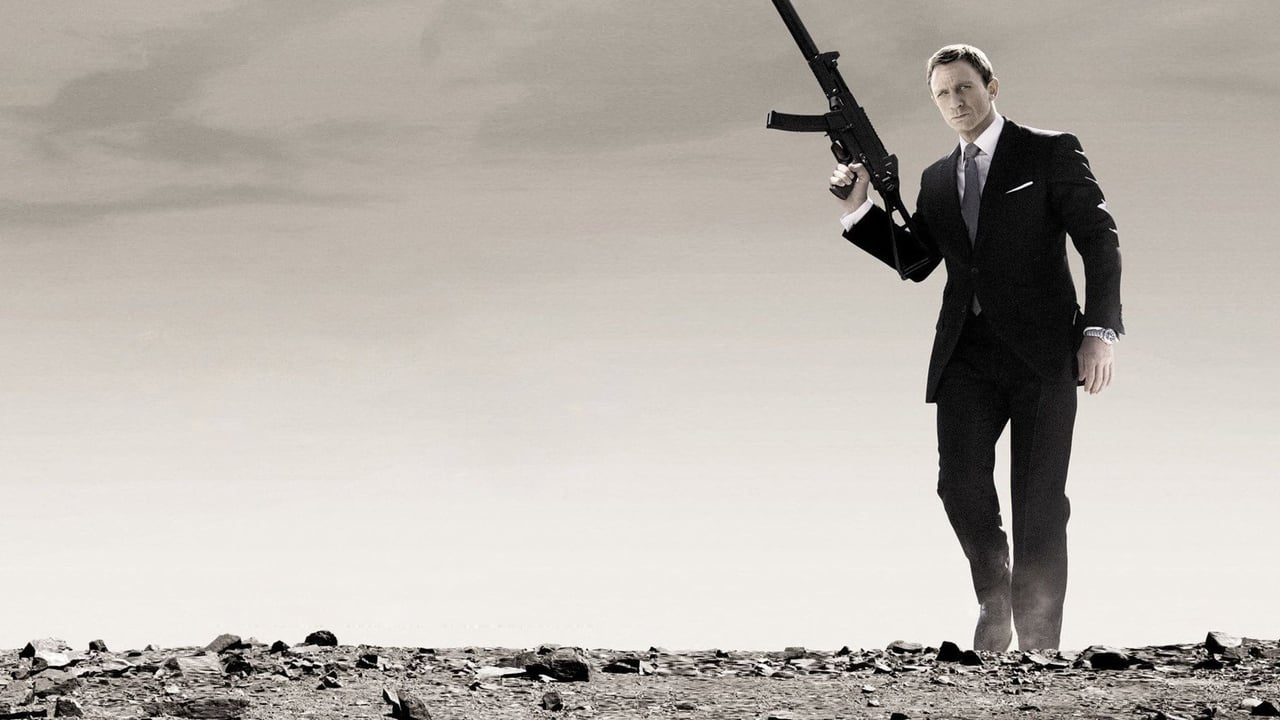
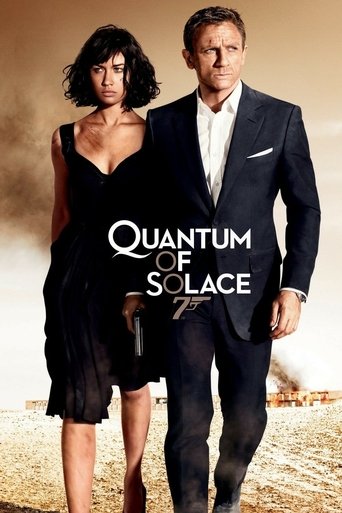
- Genre: Adventure, Action, Thriller
- Director: Marc Forster
- Year: 2008
- Runtime: 1h 46m
- Language: English (EN)
- TMDB Rating: ⭐ 6.3/10
Movie Overview
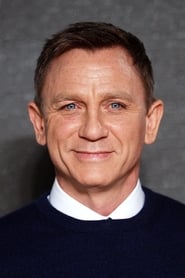
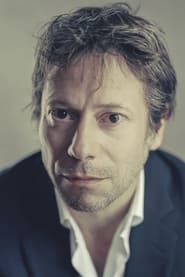
In Quantum of Solace, James Bond, played by Daniel Craig, is reeling from the emotional fallout of Vesper Lynd's betrayal. The film picks up immediately after the events of Casino Royale, immersing us in Bond's quest for vengeance and truth against the shadowy organization that manipulated Vesper. His journey leads him to confront the enigmatic Dominic Greene, portrayed by Mathieu Amalric, who aims to control the world’s water supply. Bond’s pursuit feels intensely personal, but it’s also shrouded in a complex web of international intrigue.
As Bond races against time, he’s often haunted by memories of Vesper. This internal struggle provides a surprising depth to the character, transforming what could have been a straightforward action piece into an exploration of grief and loss. The film oscillates between explosive action sequences and quieter moments where Bond grapples with his emotions.
The central conflict drives Bond deeper into a world where trust is a luxury he can’t afford. He teams up with Camille, played by Olga Kurylenko, who has her own vendetta against Greene. Their partnership, defined by shared pain, adds layers to the narrative, with each character pushing the other towards their respective goals. Still, the action never fully takes a backseat; it lurks constantly, ready to erupt at any moment.
By the film’s resolution, Bond’s emotional arc reveals a man not just seeking justice, but also struggling to reclaim his identity after Vesper’s death. What surprised me most was how the film manages to weave personal stakes with international espionage, creating a compelling narrative that feels both urgent and deeply human.
Direction & Cinematography
Marc Forster directs Quantum of Solace, bringing a unique style that sometimes clashes with the expectations set by previous Bond films. One striking scene features a rooftop chase in Haiti, where the camera follows Bond fluidly, capturing the frantic energy of the moment. The choreography is tight, but I felt the rapid cuts made it hard to fully immerse in the action. At times, the editing felt disjointed, pulling me out of the experience instead of enhancing it.
The pacing also raises questions. There are moments where the film slows down just when it should be escalating, particularly during Bond's interactions with M, played by Judi Dench. Their conversations are filled with tension, yet sometimes feel overly drawn out, especially when contrasted with the more action-heavy sequences. I noticed that the tonal shifts could feel jarring, making it hard to stay engaged in the quieter moments.
What struck me was Forster's choice to emphasize Bond's emotional state through visual storytelling. The desaturated color palette mirrors Bond's bleak outlook, creating a somber atmosphere that lingers throughout. But these artistic choices don't always align with the film's action-oriented moments, leaving an uneven tone that can feel disorienting.
Cast & Performances
Daniel Craig's portrayal of Bond is layered with complexity. He brings a palpable sense of anger and sorrow to the role, especially evident in the way he moves — there's a heaviness to his gait, as if he's carrying the weight of his losses. During a scene where Bond confronts Greene, Craig's voice quivers slightly, revealing vulnerability beneath the hardened exterior.
Olga Kurylenko as Camille provides a strong counterpart to Craig's Bond. Her performance shines during scenes of quiet reflection, particularly when she discusses her tragic past. One moment that stood out was her expression when she first sees Bond in action; it’s a blend of admiration and wariness, showcasing the complex dynamics between them. Yet, I’ll admit I didn't expect her character to be sidelined in favor of the action at times, which felt like a missed opportunity to deepen her storyline.
Mathieu Amalric's Greene is sinister yet surprisingly bland at times, lacking the captivating menace one might expect from a Bond villain. His line delivery often feels muted, especially in contrast to Bond's intense emotions. There's a crucial scene where he explains his plans, but the lack of conviction in Amalric's performance made that moment fall flat and hindered my investment in the stakes presented.
Character Psychology
Bond's surface desire is revenge, seeking to hold those responsible for Vesper's death accountable. However, on a deeper level, he craves closure and self-understanding, feeling lost in the wake of betrayal. I kept waiting for Bond to fully confront his inner demons, but he often defers that reckoning.
Ultimately, Bond remains largely unchanged by the film’s end. He may have gained a clearer sense of purpose, but the emotional scars linger, indicating a man still grappling with his past decisions. That left me wondering if he’ll ever fully escape the shadows of his own making.
Themes & Emotional Depth
At its core, Quantum of Solace explores the themes of trust and betrayal against a backdrop of global corruption. Bond's journey reflects the personal consequences of betrayal — not just for him, but for those around him. A poignant moment occurs when Bond realizes that to trust others is a luxury he can no longer afford, highlighting how his relationships are shattered by deception.
Additionally, the film questions the morality behind vengeance. Bond's actions, driven by a desire for justice, often blur the line between right and wrong. This is especially evident in his interactions with Camille, as they both navigate their own desires for revenge and healing. Their alliance showcases the struggle to find trust in a world filled with manipulation and deceit.
Memorable Scenes & Dialogue
One standout moment occurs during the opening chase in Italy, where Bond pursues an enemy through a twisting road. The tension is palpable, amplified by the pounding score that accompanies each turn. The cinematography captures the urgency perfectly, with tight shots of Bond's determined expressions interspersed with wide angles of the stunning landscape, making me feel the adrenaline of the chase.
Another notable scene is the final confrontation between Bond and Greene in the desolate landscape of Bolivia. The staging creates a stark contrast between the two characters, emphasizing Bond's transformation. The dialogue is terse, and the tension hangs in the air, demonstrating the stakes without resorting to unnecessary exposition. This moment encapsulates the film's blend of action and emotional weight, leaving me satisfied yet contemplative about Bond's journey.
The Ending — Does It Deliver?
The conclusion of Quantum of Solace pulls the threads of Bond's emotional arc together, culminating in a confrontation that feels both earned and inevitable. There's a haunting final shot where Bond stands alone, staring into the distance — it struck me as a powerful reflection of his isolation, lingering long after the credits rolled. Still, I kept waiting for more fireworks; instead, the film leaves us with a sense of unresolved turmoil, fitting for a character still navigating his personal demons.
I wasn’t expecting such an introspective ending for a Bond film, and it surprisingly works to highlight the emotional toll of vengeance. The final scenes resonate with a bittersweet quality, reminding us that while Bond may have completed his mission, the journey has only just begun. It prompted me to reflect on what’s next for him, which is a testament to the film’s ability to provoke thought.
What Works
Quantum of Solace features several strong elements, particularly its commitment to emotional depth. The rooftop chase in Haiti effectively blends thrilling action with Bond’s internal struggle, showcasing Craig's physicality juxtaposed against his emotional turmoil. The dynamic between Bond and Camille adds layers to the narrative, offering a partnership that feels both necessary and complicated. The cinematography also stands out, especially during the finale, where wide shots capture the stark beauty of the Bolivian landscape, framing the characters within their emotional context.
Honest Criticism
However, the film's pacing suffers from its disjointed narrative structure. The subplot involving the environmental agenda feels tacked on and ultimately distracts from the main emotional arc. As much as I enjoyed the chase sequences and action, I thought the film would have benefited from a clearer focus on Bond's psychological journey instead of getting sidetracked by political commentary. This dilution of focus prevented the stakes from feeling truly personal at times.
How It Compares
When compared to Casino Royale, Quantum of Solace feels more fragmented, lacking the cohesive storytelling that made its predecessor shine. While Casino Royale introduced audiences to a new, grounded Bond, this sequel tries to build on that foundation but stumbles with its pacing and narrative clarity. However, Quantum does excel in its exploration of Bond's psychological state, a depth not fully captured in films like Skyfall, where the focus shifts to external threats instead.
In terms of action, it feels closer to the intense energy of the Bourne series but falls short in the clarity of its choreography. The rapid edits can confuse viewers about what’s happening on screen, whereas the Bourne films maintain a clearer sense of spatial awareness and momentum.
Legacy & Cultural Impact
Quantum of Solace, while not as lauded as its predecessor, still made an impact in the Bond franchise and the action genre. It grossed around $589 million globally, a solid return but a drop from Casino Royale's success, which reflects how challenging it can be to follow up a beloved film. Critics were mixed; some appreciated its darker tone, while others found it lacking the charm of earlier entries. This film set the stage for the evolution of Bond, paving the way for even deeper explorations of his character in subsequent films.
Its influence can be seen in how later Bond films, especially Spectre and No Time to Die, further delve into Bond's emotional journey, showcasing a more vulnerable and complex character than earlier iterations. Quantum’s attempts at depth may have been hit or miss, but they undoubtedly shifted the trajectory of Bond moving forward.
Behind the Scenes
Forster was not the original director; he joined the project after Martin Campbell, who directed Casino Royale, stepped away. Daniel Craig's physicality was enhanced by extensive training, including parkour, which he used to perform many of the stunts himself — a fact that added to the film's authenticity. Additionally, the production faced a major challenge with a writers' strike, which impacted the final script, leading to a tighter runtime and some rushed plot points, affecting the overall cohesion of the story.
Who Should Watch It?
Fans of the more recent, grittier Bond films will find a lot to appreciate in Quantum of Solace. Those who enjoy action thrillers with a deeper emotional core will likely feel satisfied with the film’s exploration of vengeance and loss. However, viewers who prefer the classic charm and wit of earlier Bonds might find this iteration too dark and intense — they may want to skip it altogether.
Final Verdict
I’d recommend Quantum of Solace for its daring attempt to characterize Bond in a more vulnerable light, exposing his emotional struggles and the consequences of betrayal. While the pacing and narrative focus occasionally falter, Craig's performance and the film’s thematic depth make it worth watching. If you’re looking for a standard Bond adventure, this isn’t it; instead, expect a darker, more introspective journey that challenges the conventions of the franchise.
More details, ratings, and cast information on IMDb, TMDB, Wikipedia. YouTube