- 1Movie Overview
- 2Direction & Cinematography
- 3Cast & Performances
- 4Character Psychology
- 5Themes & Emotional Depth
- 6Memorable Scenes & Dialogue
- 7The Ending — Does It Deliver?
- 8What Works
- 9Honest Criticism
- 10How It Compares
- 11Legacy & Cultural Impact
- 12Behind the Scenes
- 13Who Should Watch It?
- 14Final Verdict
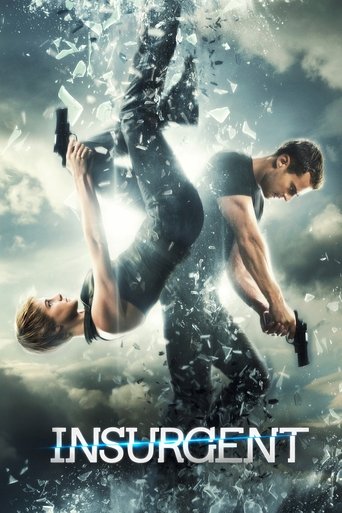
- Genre: Action, Science Fiction, Thriller
- Director: Robert Schwentke
- Year: 2015
- Runtime: 1h 59m
- Language: English (EN)
- TMDB Rating: ⭐ 6.4/10
Movie Overview
Tris Prior (Shailene Woodley) is on the run after the events of Divergent, hunted by Jeanine (Kate Winslet) and the Erudite faction. The film opens mid-chase, with Tris, Four (Theo James), and Caleb (Ansel Elgort) barely escaping a train ambush. What follows is a series of faction-hopping as they seek allies while Tris wrestles with guilt over past violence.
The emotional core—Tris's self-doubt—gets overshadowed by relentless action sequences. A visit to Amity faction offers brief respite, complete with golden wheat fields and suspiciously peaceful vibes. But the film quickly reverts to its default mode: Jeanine monologuing about purity while soldiers march in formation.
A mysterious box requires a Divergent to pass deadly simulations, which Tris attempts despite Four's protests. These sequences, meant to explore her psyche, mostly serve as excuses for CGI-heavy set pieces. The pacing suffers whenever the film slows down to address its themes—which isn't often.
By the third act, it's clear this is a bridge to the next installment rather than a story with its own stakes.
Direction & Cinematography
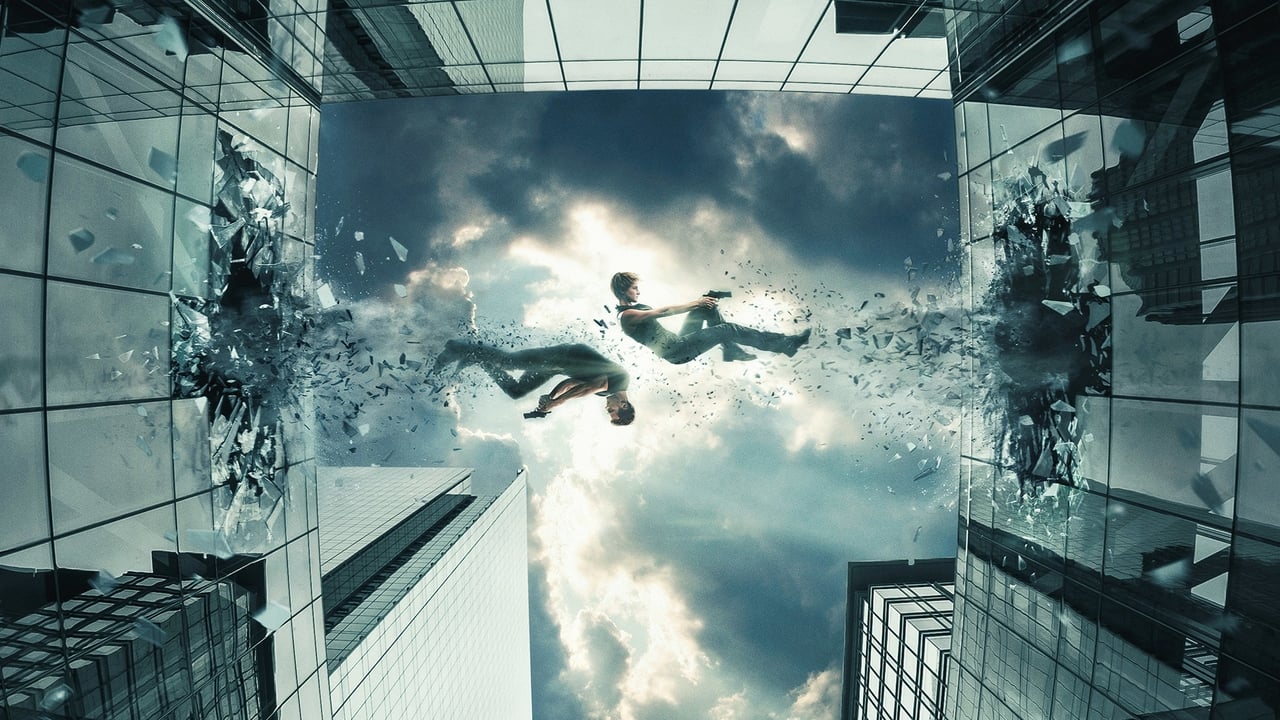
Robert Schwentke takes over from Neil Burger, and the shift shows. Where Divergent had some visual grit, Insurgent leans into glossy, weightless CGI—especially in the simulation sequences. The camera spins dizzyingly around Tris during a glass-box trap scene, but the effect feels more like a theme park ride than a character moment.
What struck me was how often the film defaults to close-ups of Woodley's face during emotional beats. It's effective initially, but after the fifth tearful confession, the technique loses impact. The action scenes are competently shot, though they borrow heavily from Hunger Games' playbook: shaky cam, debris flying at the lens, and heroes diving at the last second.
But the biggest issue is tone. Scenes that should land with gravity—like a faction leader's execution—are rushed through to make room for another chase. The rare quiet moment, like Tris and Four's whispered argument in a train car, stands out precisely because it's allowed to breathe.
Cast & Performances
Shailene Woodley remains the best thing about this franchise. When Tris breaks down after killing a friend, Woodley makes the guilt feel raw and specific—her voice cracks in a way that's messy, not performative. It's a shame the script gives her so many repetitive 'I'm not worthy' monologues.
Theo James's Four has less to do this time. He's mostly relegated to scowling during fights or delivering exposition about faction politics. James does what he can with a scene where Four confronts his abusive mother, but it's over too quickly to resonate.
Miles Teller's Peter is the wildcard—smirking through betrayal scenes like he's in a different, more interesting movie. His line readings have a sarcastic bite that the film could've used more of. Meanwhile, Kate Winslet's Jeanine spends the entire film standing in white rooms looking displeased. It's not Winslet's fault; the role demands little beyond icy pronouncements about genetic purity.
Character Psychology
Tris wants to atone for killing Will—but what she needs is to accept that survival sometimes requires violence. The film gestures at this complexity when she hesitates to shoot a mind-controlled Dauntless soldier, only for Four to do it instead. That moment should've been pivotal, but it's never referenced again.
Four's arc is even thinner. He's protective of Tris to the point of suffocation, yet the script treats this as romantic rather than problematic. When he says 'I can't lose you too,' it's played as a swoon-worthy line, not a red flag.
Themes & Emotional Depth
On paper, Insurgent is about systemic oppression—Jeanine's faction purges anyone who doesn't fit her narrow definition of purity. But the execution reduces this to cartoonish villainy. Jeanine's lab, all sterile white surfaces and humming machines, might as well have a 'EVIL HEADQUARTERS' sign out front.
The more compelling idea is how trauma shapes rebellion. Tris's flashbacks to shooting Will could've explored how revolutions force ordinary people to do terrible things. Instead, the resolution is bizarrely tidy: one heroic sacrifice (undercut by a sequel-teasing twist) and suddenly the system starts crumbling.
Memorable Scenes & Dialogue
1) The fear simulation where Tris drowns in a glass tank works because of Woodley's physical acting—she claws at invisible walls with genuine panic. It's the rare CGI-heavy scene that feels tied to character.
2) Peter betraying Tris by handing her a gun with no bullets. Teller's delivery of 'Oops' lands because he plays it like a schoolyard taunt, not a supervillain moment.
3) The final simulation, where Tris embraces her mother's ghost. The green-screen backdrop looks cheap, but Woodley and Naomi Watts commit fully to the emotional beats.
The Ending — Does It Deliver?
The climax hinges on Tris completing the simulations to unlock the box—a mcguffin that turns out to contain a message from the founders. It's anticlimactic, revealing information the audience already guessed. What surprised me was how abruptly Jeanine's regime collapses afterward, with zero buildup.
The last shot, of the group walking toward the fence, feels obligatory. After two hours of nonstop danger, the lack of catharsis is frustrating. I kept waiting for a moment where Tris's trauma actually changed how she approached the fight, but the film prioritizes setup for Allegiant instead.
What Works
Woodley's performance grounds even the silliest moments. Her reaction when discovering the box's contents—a mix of exhaustion and determination—sells what could've been a laughable reveal. The Amity faction scenes, though brief, offer welcome color and warmth amidst the gray dystopia. And the hallucination where Tris sees her mother works because Watts and Woodley play it with quiet grief rather than melodrama.
Honest Criticism
The Erudite faction is reduced to generic fascists, with Jeanine spouting pseudoscience that would make a real geneticist cringe. The relationship between Tris and Four goes in circles—they have the same 'I need to protect you'/'No, I need to do this alone' argument four separate times. Worst is the Dauntless traitor subplot, which introduces a potentially interesting moral dilemma only to resolve it with a shrug.
How It Compares
Compared to Catching Fire (2013), which deepened its characters between games, Insurgent's middle-chapter syndrome is glaring. It borrows the Hunger Games' oppressive government tropes without the political sophistication. Even The Maze Runner (2014), for all its flaws, maintained a stronger sense of mystery about its world.
The film does outshine its own predecessor in one area: the simulations allow for more creative visuals than Divergent's paint-by-numbers training sequences. But that's faint praise.
Legacy & Cultural Impact
Insurgent grossed $297 million worldwide—a drop from Divergent's $288 million, signaling franchise fatigue. Critics were harsh (32% on Rotten Tomatoes), with many noting the repetitive structure. The rushed two-part Allegiant finale underperformed so badly that the fourth film was canceled.
The film's real legacy might be as a cautionary tale about splitting YA adaptations into too many parts. Its failure contributed to the decline of the post-Hunger Games dystopian boom.
Behind the Scenes
- The glass tank simulation scene required Woodley to hold her breath for long takes while suspended on wires. She trained with a free diver to prepare.
- Ansel Elgort filmed most of his scenes in two weeks due to scheduling conflicts with The Fault in Our Stars press tour.
- The script originally had a darker ending where more major characters died, but test audiences rejected it.
Who Should Watch It?
Fans of the books might appreciate seeing key scenes realized, even if the emotional depth is lacking. Action junkies who don't mind thin plots will find the set pieces serviceable.
Viewers who hated Divergent's worldbuilding should steer clear—this doubles down on the faction system's absurdities without adding nuance.
Final Verdict
Insurgent is a mediocre sequel that prioritizes setup over payoff. The 6/10 rating reflects Woodley's strong work in an otherwise forgettable entry. While it's not outright bad, there's little here you can't get done better in other YA adaptations. Only watch if you're committed to the series—and even then, maybe just read the Wikipedia summary for Allegiant instead.
More details, ratings, and cast information on IMDb, TMDB, Wikipedia. YouTube