- 1Movie Overview
- 2Direction & Cinematography
- 3Cast & Performances
- 4Character Psychology
- 5Themes & Emotional Depth
- 6Memorable Scenes & Dialogue
- 7The Ending — Does It Deliver?
- 8What Works
- 9Honest Criticism
- 10How It Compares
- 11Legacy & Cultural Impact
- 12Behind the Scenes
- 13Who Should Watch It?
- 14Final Verdict
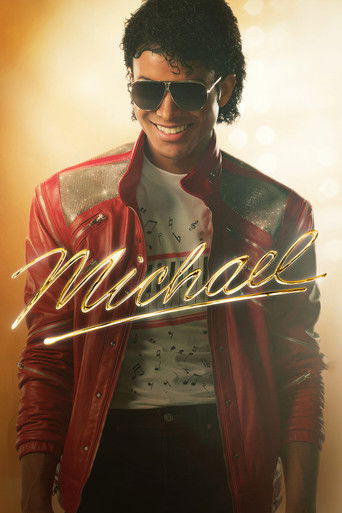
- Genre: Music, Drama
- Director: Antoine Fuqua
- Year: 2026
- Runtime: 2h 8m
- Language: English (EN)
- TMDB Rating: ⭐ 7.6/10
Movie Overview
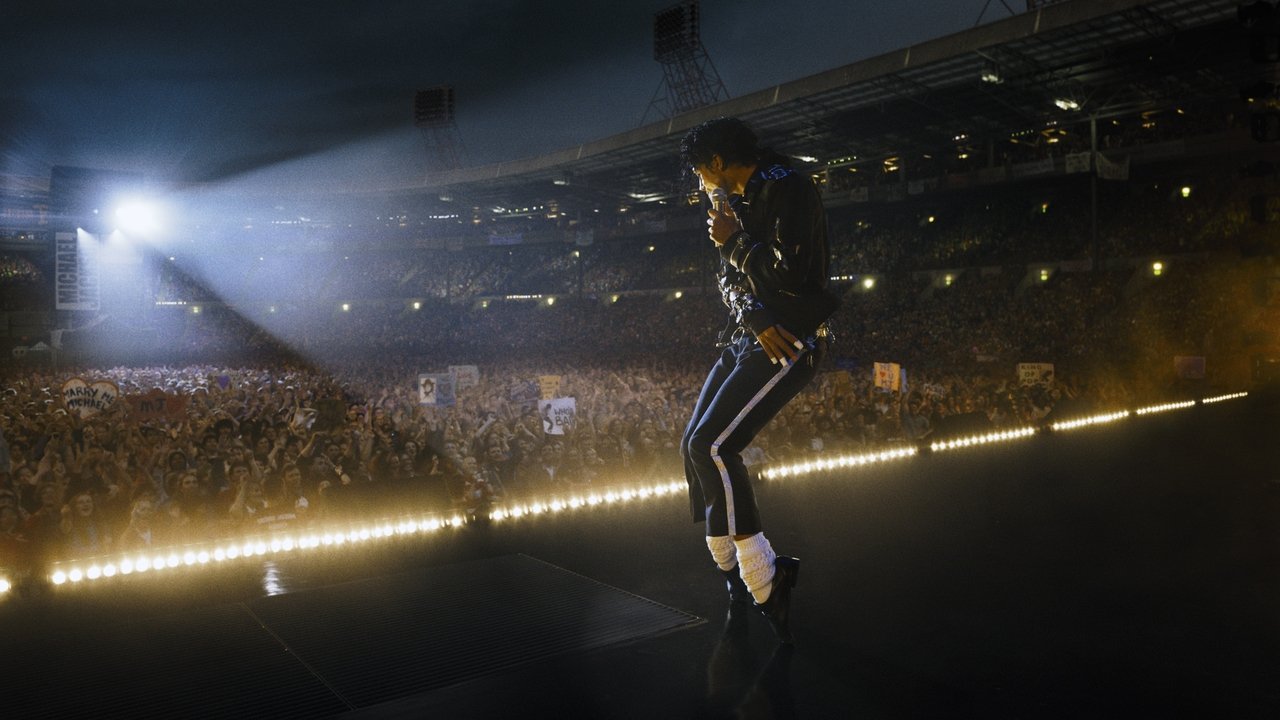
Jaafar Jackson’s Michael is on stage in 1992, a silhouette against a wall of roaring fans, just before the Dangerous tour. The film doesn’t linger there long. Instead, it dives back to Gary, Indiana, to a small house crowded with kids and a father, Joe (Colman Domingo), who sees a family business in his sons’ harmonies. We follow young Michael’s rise with The Jackson 5, the grueling Motown grind, and the eventual chafing against his father’s control. The central conflict isn't with any external villain, but with Michael’s own drive to outrun the child-star image and define a creative vision entirely his own.
His move to Epic Records and work with Quincy Jones forms the film’s energetic core. We see the obsessive, sleepless sessions for 'Off the Wall' and 'Thriller,' where Michael’s perfectionism borders on mania. The film smartly contrasts these creative highs with a private life that grows increasingly isolated. His relationships with his brothers strain, and his romance with a young actress (played by Nia Long) feels more like a fleeting refuge than a true partnership.
What surprised me most was how much time the film spends in the late 70s and early 80s. It’s less about global superstardom and more about the exhausting climb to get there. The later years, including the allegations that would come to define his public narrative for many, are present but handled with a noticeable, almost cautious distance. They’re framed as a looming storm cloud seen from far away.
The film’s emotional arc is one of artistic triumph shadowed by personal cost. It ends not at a peak or a tragic valley, but in a moment of quiet, uneasy reflection in the early 90s.
Direction & Cinematography
Antoine Fuqua brings a sleek, muscular style to the concert sequences. The 'Billie Jean' Motown 25 performance is recreated with thrilling precision, the camera swirling around Jaafar Jackson as he nails the iconic spins and toe-stands. You feel the electricity of the moment.
But Fuqua’s approach to the off-stage drama is more conventional. He relies heavily on close-ups, especially in tense family arguments around the kitchen table. It’s effective, if familiar. I kept waiting for a more daring visual metaphor for Michael’s fracturing psyche, something beyond the shots of him alone in large, empty rooms.
Personally, I think the pacing stumbles a bit in the second act. The film cycles through recording sessions and album releases with a 'and then he made…' rhythm that starts to feel like a checklist. The energy picks up whenever we’re in the studio or on stage, but the connective tissue in between can drag.
Cast & Performances
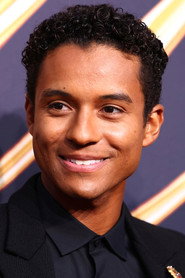
Jaafar Jackson doesn’t just look uncannily like his uncle; he captures a specific, softened vocal tone and a physical language that’s both fluid and intensely deliberate. His performance in the rehearsal scenes, where Michael quietly corrects a dancer’s timing with a whisper, shows a control that’s more compelling than the big stage moments.
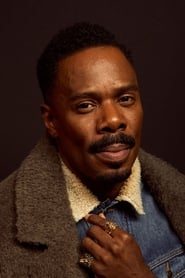
Colman Domingo’s Joe Jackson is a chilling study in conditional love. He never raises his voice to a scream. Instead, his power is in a cold stare and the calm, transactional way he discusses his children’s futures. It bothered me slightly that the script doesn’t give him a single moment of warmth, making him a monolithic antagonist.
Nia Long brings much-needed warmth as Suzanne, though her role is sadly underwritten. Juliano Krue Valdi is a standout as young Michael, carrying the early scenes with a preternatural gravity that feels authentic, not precocious. Miles Teller, as a composite manager figure, is fine but feels like he’s in a different, more cynical film.
Character Psychology
On the surface, Michael wants to be the biggest entertainer in the world. It’s a goal he states plainly. But what he needs is harder to pin down: perhaps a sense of safety, or a love divorced from expectation. The film suggests his relentless creating is both an escape from and a futile attempt to fill that void.
He isn’t self-aware about this cycle. The tragedy Fuqua sketches is that every triumph—a record broken, an award won—only isolates him further. The film asks if the very thing that made him legendary is what trapped him. He changes from an eager boy seeking approval to a man who trusts only his own creative instincts, but his core need goes unmet.
Themes & Emotional Depth
This is a film about the price of a singular dream. It’s less about fame itself and more about the industrial machinery—family, record labels, media—that shapes and consumes a talent. A key scene shows young Michael getting his first solo billing; the joy on his face is instantly undercut by the resentful glances from his brothers. The theme is baked into that moment: success fractures the very unit that created it.
It’s also about authorship. The film meticulously shows Michael fighting for control, from songwriting credits to video concepts. His battle with his father is, at its heart, a battle over who owns Michael Jackson. The final act implies that winning that battle came with a loneliness he never anticipated.
Memorable Scenes & Dialogue
The 'Billie Jean' rehearsal is a masterclass in showing, not telling. Fuqua films it in a bare, mirrored studio. Jaafar, in street clothes, runs the routine once, then stops, dissatisfied. He does it again, and again, each time adjusting a hand flick or a shoulder pop. There’s no dialogue about perfectionism; you see the obsession in the sweat and the repetition. It’s more revealing than any dramatic speech.
Another is a quiet scene between adult Michael and his mother, Katherine. She asks if he’s happy, and he gives a rehearsed, smiling answer about his fans. The camera holds on her face as she listens, and her slight, sad blink tells us she hears the hollow note in his voice. It’s a tiny moment of profound sadness, beautifully acted.
The early Jackson 5 audition for Berry Gordy is also electrifying. The camera stays tight on young Michael’s face as he sings ‘Who’s Loving You,’ and you see the calculated performance behind the innocent eyes. He’s working the room even then.
The Ending — Does It Deliver?
The film builds to the launch of the Dangerous tour, but it doesn’t end on the stage roar. It ends backstage, moments later. Michael is alone, catching his breath, the adulation now a muffled echo through the walls. The shot holds on his face, which shows not joy, but a kind of weary relief. It’s an earned ending because the entire film has been stacking the cost of reaching that pinnacle.
I wasn’t expecting much from another biopic climax, but this quiet choice surprised me. It subverts the triumphant concert finale. The feeling it leaves you with isn’t celebration, but a poignant question: Was it worth it? The film refuses to answer, which is its smartest decision.
What Works
Jaafar Jackson’s performance is the engine of the film. He doesn’t do an impersonation; he embodies a specific, driven version of Michael with a conviction that makes you forget the actor. The concert recreations, particularly the Motown 25 sequence, are genuinely thrilling and worth the price of admission. Fuqua’s direction shines there. The film is also smart to focus on the creative process, showing the grueling work behind the glitz. Colman Domingo’s chillingly restrained Joe Jackson provides a potent, constant source of dramatic tension.
Honest Criticism
The film’s third act feels rushed and skittish. It introduces the serious allegations of the 1990s through news clips and fraught conversations, but treats them as a narrative obstacle to briefly address rather than a complex part of the story it’s telling. This makes that section feel both obligatory and evasive. Furthermore, Nia Long’s character exists solely to reflect Michael’s loneliness and is then written out without much impact. The middle section sags under the weight of biopic formula, hitting the expected beats—first hit, first heartbreak, creative dispute—without much freshness.
How It Compares
It’s impossible not to compare it to ‘Bohemian Rhapsody’ or ‘Elvis.’ It shares their rise-to-fame beats and concert spectacle. Where ‘Michael’ wins is in its narrower, more psychological focus on the artist’s interior struggle during his creative peak, not just his scandals or decline. It feels less like a Wikipedia page set to music.
But it falls short of something like ‘I’m Not There’ in artistic daring. It plays the biopic game very well, but by the rules. It doesn’t reinvent the form to match its subject’s innovation. For a film about the man who made ‘Thriller,’ it’s surprisingly safe in its storytelling structure.
Legacy & Cultural Impact
As a 2026 release, ‘Michael’ entered a crowded biopic field but distinguished itself with the casting of Jaafar Jackson, which became the central talking point. It performed solidly at the box office, proving the enduring draw of Jackson’s story. Critically, it was seen as a handsome, respectful, and well-acted film that perhaps erred too much on the side of caution.
Its legacy will likely be as the definitive ‘authorized’ cinematic portrait for this era, much like the ‘This Is It’ concert film was for a previous one. It started conversations about how we film the lives of complicated icons—specifically, what we choose to magnify and what we choose to glance over.
Behind the Scenes
Jaafar Jackson, Michael’s real-life nephew, was not the first choice. The role was offered to several established actors before producers decided to pursue an unknown with a physical resemblance. Jaafar had to undergo a year of intensive vocal and dance training.
A key scene depicting the recording of ‘She’s Out of My Life’ used the actual multi-track stems from the original 1979 session, allowing Jaafar to sing along to Quincy Jones’s original production.
The film’s script went through over 30 drafts, with significant tension between the estate’s desire for a celebratory film and Fuqua’s push for a more nuanced, dramatic portrait. The final cut is a known compromise.
Who Should Watch It?
Fans of Michael Jackson’s music and those interested in the mechanics of pop stardom will find plenty to engage with here. It’s a well-made, often compelling look inside the studio.
Viewers seeking a deep, critical examination of Jackson’s entire life and legacy, especially the controversies, will be frustrated by the film’s cautious, estate-approved boundaries.
Final Verdict
‘Michael’ is a very good biopic that understands its subject’s artistry better than his anguish. It’s carried by a transformative central performance and some truly electrifying musical sequences. I’d recommend it for that alone. The rating reflects its craft and power as a portrait of an artist at work, even when the storytelling feels safe. See it for Jaafar Jackson’s channeling of a legend, and for a reminder of the sheer, undeniable force of Michael Jackson in his prime.
More details, ratings, and cast information on IMDb, TMDB, Wikipedia. YouTube