- 1Movie Overview
- 2Direction & Cinematography
- 3Cast & Performances
- 4Character Psychology
- 5Themes & Emotional Depth
- 6Memorable Scenes & Dialogue
- 7The Ending — Does It Deliver?
- 8What Works
- 9Honest Criticism
- 10How It Compares
- 11Legacy & Cultural Impact
- 12Behind the Scenes
- 13Who Should Watch It?
- 14Final Verdict

Movie Overview
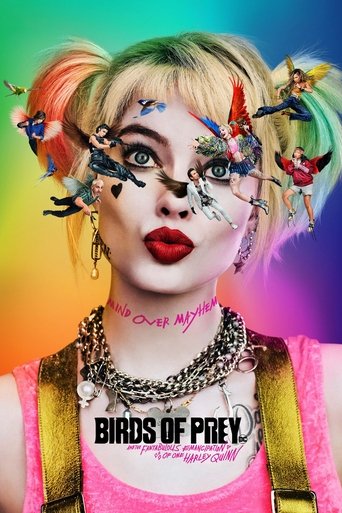
Birds of Prey kicks off with Harley Quinn, played by Margot Robbie, fresh from her split with the Joker. This breakup sends her spiraling into a chaotic life where she's no longer protected by the Joker's power. When she inadvertently becomes the target of crime lord Roman Sionis, played by Ewan McGregor, after a diamond heist gone wrong, the stakes skyrocket. Harley's desperation leads her to team up with a motley crew including Black Canary, Huntress, and a police detective named Renee Montoya.
The film quickly shifts gears from a straightforward heist narrative to one of survival and empowerment. Each character has their own distinct reason for joining forces, and their interactions unfold in a blend of humor and action that pushes the story forward. There’s a thrill in watching this team of misfits navigate their way through a vibrant yet dangerous Gotham City, each facing their own demons. Personally, I found the camaraderie and conflict among the women refreshing amidst the chaos.
What stayed with me after the credits rolled was how each character's personal growth was interwoven with the plot. Black Canary, particularly, grapples with her identity while trying to use her powers for good, which adds depth to her character. Meanwhile, Harley’s journey isn’t just about survival; it’s about finding her own identity outside of her toxic relationship with the Joker. The film strikes a balance between high-octane action and introspective moments, though I kept waiting for deeper exploration of some character backgrounds.
Ultimately, Birds of Prey embodies the idea that women can be heroes—flawed and messy but undeniably powerful. The conflict, rising from both external threats and internal struggles, leads to an action-packed climax that feels both earned and cathartic, even if it's not without its bumps along the way.
Direction & Cinematography
Cathy Yan directs Birds of Prey with a frenetic style that matches Harley's chaotic energy. The opening sequence is particularly striking; it features a dizzying montage of Harley’s life post-Joker, where she narrates her own story while the visuals flash by in an almost cartoonish manner. This choice not only sets the tone but also conveys Harley's stream-of-consciousness in a way that is both engaging and entertaining.
What struck me most was how Yan uses vibrant color palettes to distinguish different characters and settings. For instance, Harley's scenes are often drenched in bright pinks and greens, while Roman's world leans towards darker hues. This visual distinction enhances the storytelling, showcasing how these characters are both different and interconnected. However, there were moments where the pacing lagged, particularly in the middle, and I noticed my attention drifting during some of the lengthy exposition.
But the tonal shifts between humor and action are handled with a certain finesse. The blend lightens what could have been a darker narrative, keeping the audience invested through its ridiculousness. The film knows when to be serious and when to lean into the absurdity, which makes for an overall engaging viewing experience, even if I wasn't expecting some of the more brutal scenes.
Cast & Performances
Margot Robbie shines as Harley Quinn, bringing a manic energy that feels both relatable and absurd. Her physicality is on full display during a fight scene in a club, where she navigates through a swarm of henchmen with a blend of gymnastics and comedic flair. That scene didn’t land for me as strongly as it could have, largely because the choreography felt a bit disjointed at moments.
Ewan McGregor delivers a memorable performance as Roman Sionis, imbuing the character with a charming yet sinister vibe. His interactions, especially when he “plays” with his lackey, show a chilling unpredictability. During one scene where he’s interrogating a group of characters, the tension mounts effectively, showcasing both his charisma and cruelty. However, there were times I felt he leaned a bit too far into camp, which detracted from the threat his character posed.
Jurnee Smollett's portrayal of Black Canary is noteworthy as she skillfully balances vulnerability and strength. In one pivotal scene—when she finally unleashes her powers—it’s both a moment of triumph for her character and an emotional peak for the audience. I’ll admit I didn’t expect to connect so deeply with her character’s journey, but her performance added a much-needed layer of depth to the ensemble.
Character Psychology
Harley Quinn, at her core, wants to navigate the chaos of her life after breaking away from the Joker. She seeks external validation and, at times, action for its own sake. Yet, what Harley truly needs is to find herself apart from her toxic relationship and prove her worth on her own terms. By the film's end, it’s apparent that she’s still on this journey of self-discovery, which adds an interesting dynamic to her character.
Each character grapples with their desires—Black Canary wants to escape her past, and Huntress aims for revenge. They’re all operating under a veil of unresolved trauma, which makes their eventual alliance more poignant. Still, the film could have explored these nuances in more depth, as the focus shifts back and forth between action and character development.
Themes & Emotional Depth
Birds of Prey delves into the theme of empowerment, particularly for women in a world that often sidelines them. The film showcases how trauma and toxic relationships can define us, but ultimately, it's a story about reclaiming agency. For instance, Black Canary's struggle to harness her powers reflects a broader narrative about self-acceptance and finding one’s voice.
There’s also a thread about the complexity of female friendships. The relationships formed between Harley and the other women highlight a sense of solidarity amid chaos. Their different experiences and backgrounds provide a rich commentary on the varied paths to empowerment. This is exemplified in the final showdown, where they unite to confront their common enemy and, in doing so, discover their strength together.
Memorable Scenes & Dialogue
One standout moment occurs during a police station brawl where Harley unleashes a series of over-the-top maneuvers to escape capture. The vibrant colors and cartoonish violence amplify the absurdity of the scene, making it not just entertaining but also a visual highlight of the film. It works due to the clever choreography and Robbie's energetic performance, allowing viewers to laugh and cheer simultaneously.
Another memorable scene is when Huntress confronts Sionis's thugs, delivering an unexpected and satisfying resolution to her revenge arc. The build-up is well-paced, making this moment feel both earned and impactful. It showcases how the film can balance humor with intensity, enhancing the stakes for each character and their personal journeys.
The Ending — Does It Deliver?
The climax of Birds of Prey feels earned, building upon the emotional arcs of the characters. As Harley and her crew confront Sionis, the stakes reach a fever pitch, bringing together all the threads of the narrative. The action is frenetic and visually engaging, culminating in a showdown that’s as chaotic as it is satisfying. Personally, I was surprised by the cleverness of the final battle, which relied less on brute force and more on the characters working together.
The last shot, which highlights the bond formed among the women, left me feeling uplifted. It’s a fitting conclusion that encapsulates the film's message of empowerment and friendship. Despite the chaos leading up to it, this resolution feels rather fulfilling, hinting at the potential for future adventures without tying everything up too neatly.
What Works
Birds of Prey successfully blends humor and action in a way that feels fresh for the superhero genre. The dynamic between the female leads, especially during the fight scenes, showcases their unique skills while building camaraderie. For example, the climactic battle at the amusement park is not only visually engaging but also highlights their teamwork. Margot Robbie’s portrayal of Harley is a standout—her physicality, comedic timing, and emotional range elevate the film beyond typical superhero fare.
Honest Criticism
The film struggles with pacing issues, particularly in the second act where exposition drags on and some character arcs feel underdeveloped. The subplot involving the young girl Cassandra Cain feels tacked on, as she serves primarily as a plot device rather than a fully fleshed-out character. This distracts from the more interesting dynamics among the adult characters and makes some scenes feel unnecessarily convoluted.
How It Compares
Birds of Prey can be compared to films like Deadpool and Suicide Squad, particularly in its blend of humor and action. However, Birds of Prey separates itself by focusing more on character development and female empowerment, rather than relying solely on crass humor. Unlike Suicide Squad, which lost its way with too many characters and subplots, Birds of Prey stays relatively tight, centering around a distinct group of women.
Where it falls short compared to Deadpool is in its pacing and coherence at times. While Deadpool maintains a sharp comedic edge throughout, Birds of Prey occasionally wobbles with tonal shifts that can feel jarring. Still, the unique perspective from Harley Quinn’s character adds a refreshing layer that the others may lack.
Legacy & Cultural Impact
Upon release, Birds of Prey received a mixed-to-positive response from critics, holding a 69% rating on Rotten Tomatoes. While it didn’t break box office records, grossing $201 million worldwide against a budget of $84 million, it created conversations around female-led superhero films. The film's distinct visual style and humor opened the door for more nuanced narratives within the genre, influencing how studios perceive female superheroes in the future. Its boldness could lead to a shift in how stories are told in this space.
Behind the Scenes
Originally, director Cathy Yan was not the first choice for the project; it was initially offered to several other directors before she came on board. Margot Robbie's production company, LuckyChap Entertainment, played a significant role in shaping Harley's story, pushing for a more female-centric narrative. Additionally, many scenes were improvised by the cast during filming, including some of Harley's dialogue, which adds a layer of spontaneity to the final cut.
Who Should Watch It?
Fans of comic book adaptations and those who enjoy quirky, action-packed films will likely love Birds of Prey. The humor and irreverent tone cater to viewers looking for something different. However, audiences seeking a more serious take on superhero narratives might want to skip it, as the film leans heavily into its comedic elements.
Final Verdict
Birds of Prey is a fun and chaotic ride that effectively showcases Harley Quinn’s character and the strength found in female friendships. While it has pacing issues and some weaker subplots, the film triumphs in its humor and dynamic action sequences. If you’re looking for a refreshing twist on the superhero genre, this one’s worth watching.
More details, ratings, and cast information on IMDb, TMDB, Wikipedia. YouTube