- 1Movie Overview
- 2Direction & Cinematography
- 3Cast & Performances
- 4Character Psychology
- 5Themes & Emotional Depth
- 6Memorable Scenes & Dialogue
- 7The Ending — Does It Deliver?
- 8What Works
- 9Honest Criticism
- 10How It Compares
- 11Legacy & Cultural Impact
- 12Behind the Scenes
- 13Who Should Watch It?
- 14Final Verdict
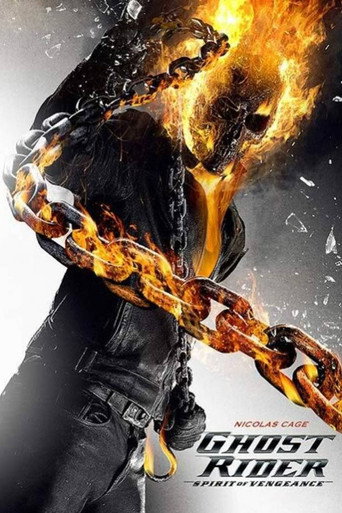
- Genre: Action, Fantasy, Thriller
- Director: Brian Taylor
- Year: 2011
- Runtime: 1h 36m
- Language: English (EN)
- TMDB Rating: ⭐ 5.0/10
Movie Overview
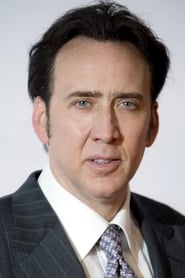
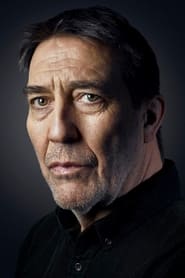
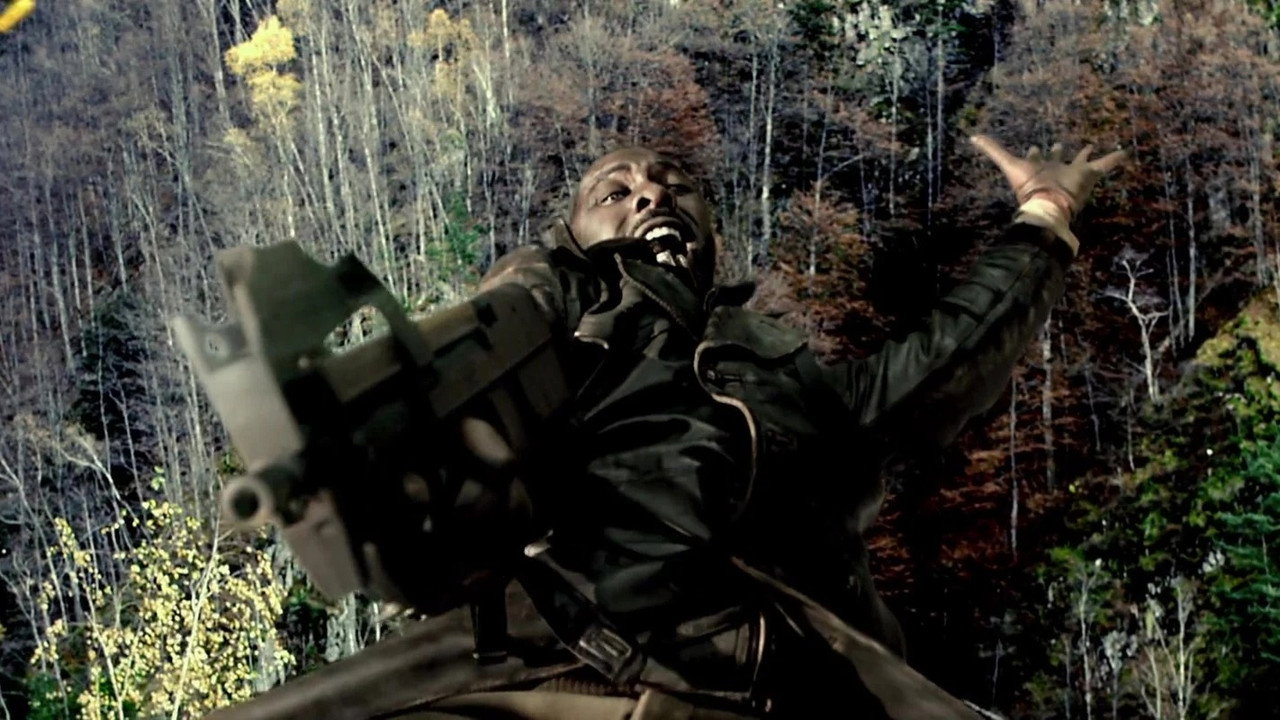
Ghost Rider: Spirit of Vengeance starts with Johnny Blaze, played by Nicolas Cage, hiding away in Eastern Europe, tormented by his past as the fiery anti-hero. When a priest named Moreau, portrayed by Idris Elba, approaches him with a desperate mission to save a young boy, Danny, from the grips of the devil, Johnny reluctantly agrees. The stakes rise as we learn that the devil, in human form as Roarke (Ciarán Hinds), seeks to use Danny to fulfill a dark purpose. The film juggles the conflict between Johnny's desire for peace and his responsibility to protect the innocent, but it often feels chaotic.
As Johnny transforms into the Ghost Rider once again, we witness some thrilling action scenes, but there’s a lack of emotional depth beneath the spectacle. The film tries to explore Johnny's internal struggle with his powers, but it gets overshadowed by the convoluted plot. I kept waiting for a poignant moment—something to connect me to Johnny's plight—and it never quite arrived, leaving me feeling detached. The supporting characters, including Danny and Moreau, don't add much to his emotional arc, which is a missed opportunity.
What surprised me most was how disjointed the narrative felt. Despite some spectacular visuals, the story really struggles to maintain tension, particularly during the chase sequences. Instead of building suspense, these moments often come off as repetitive and overly frenetic. By the time the film reaches its climax, I found myself feeling fatigued rather than exhilarated, as the pacing seemed to run out of steam.
In the final act, as Johnny faces off against Roarke, the stakes escalate, but a sense of resolution is noticeably absent. The conclusion leaves certain threads dangling, and while it attempts to hint at a deeper connection between Johnny and Danny, that depth is never fully explored. Overall, the narrative lacks the cohesion necessary to make the emotional stakes resonate, leading to a lackluster finish.
Direction & Cinematography
Brian Taylor directs Ghost Rider: Spirit of Vengeance with an aim for high-octane thrills, but the execution leaves much to be desired. One specific shot that stood out to me shows Ghost Rider on a motorcycle, flames trailing behind him as he races towards an explosion. It’s visually arresting, capturing the wild energy Taylor seems to strive for, yet it feels more style over substance—there’s too little grounding in the emotional stakes of the story.
Pacing is a real issue here. The film often shifts between frenetic action and slower moments, but the latter rarely land effectively. I noticed several scenes where character development should have taken precedence, but instead, the film favored visuals over depth. This uneven pacing disrupts the flow and prevents the viewer from fully engaging in the moment.
But there are glimpses of what could have been more cohesive direction. The choice to incorporate a mix of practical effects and CGI is commendable, particularly during the transformation sequences where Johnny first shifts into Ghost Rider. Yet, these moments don’t build to any satisfying tension or emotional impact. The overall tone swings between grim and absurd, leaving the audience unsure of whether to take the story seriously or not.
Cast & Performances
Nicolas Cage brings a unique intensity to Johnny Blaze, embodying the tortured soul trapped within the Ghost Rider. There’s a specific moment when he confronts his inner demons in a mirror, and his frantic line delivery perfectly reflects the character’s desperation. However, I’ll admit I didn't expect such thin character development to undercut his performance, making it hard to truly connect with his journey.
Ciarán Hinds delivers a convincing performance as the devilish Roarke, exuding menace from the moment he appears on screen. His physicality conveys a sense of power, particularly in his interactions with Danny. Yet, there are times when his character feels one-dimensional, lacking the depth that could have made his motivations clearer, which is disappointing when he has the potential to be a compelling antagonist.
Fergus Riordan, who plays Danny, has moments of charm, especially in scenes where he interacts with Johnny. There’s a vulnerability in his reactions to the chaos around him. Still, he feels underdeveloped, and the film doesn’t give him enough to do, reducing him to a mere plot device. This underutilization of the young actor is a missed opportunity, leaving the emotional stakes flat.
Character Psychology
On the surface, Johnny Blaze is seeking redemption. He wants to escape the burden of his powers and live a normal life. What he really needs, however, is to confront his past and accept what he is rather than run from it. His internal struggle is present, but the film muddles the exploration, hampering any significant character growth. Despite facing intense situations, Johnny remains strikingly static throughout the film.
Danny, on the other hand, is portrayed as innocent yet central to the unfolding chaos. He is aware of his fate but lacks the agency to change it, symbolizing lost youth in a terrifying world. By the end, the characters are left in a similar place to where they started—Johnny still haunted by his past and Danny stuck in a dire situation, reflecting the film's failure to deliver impactful character arcs.
Themes & Emotional Depth
Ghost Rider: Spirit of Vengeance superficially touches on themes of control, power, and redemption. Johnny’s battle with the devil serves as an allegory for his struggle to gain control over his own life. However, it fails to dive deep into these concepts, leaning heavily on action sequences rather than genuine introspection. This limitation reduces the potential for the narrative to explore the consequences of power and what it truly means to reclaim one’s identity.
Another theme is the concept of sacrifice. Johnny’s willingness to risk everything for Danny hints at a noble aspect, but the execution lacks emotional weight. The final scenes attempt to convey a sense of profound sacrifice, but without a solid foundation, it's hard to feel the gravity of those moments. The thematic elements are there, yet they remain frustratingly underdeveloped, lost amidst the chaotic storytelling.
Memorable Scenes & Dialogue
One notable scene occurs during a high-octane chase sequence when Ghost Rider leaps onto a car, igniting it mid-air. The visual effects are eye-catching and capture the essence of the character's chaotic spirit. The blend of CGI with practical elements creates a thrilling moment, showcasing the style Taylor aimed for, even if it lacks genuine emotional stakes.
Another moment that stands out is Johnny’s confrontation with Roarke in the crumbling landscape, where they exchange menacing dialogue. The tension in this scene is palpable, thanks to Hinds’ intimidating presence and Cage's frantic energy. It effectively highlights the thematic conflict but ultimately feels like a missed opportunity for deeper engagement, as the stakes are never fully fleshed out.
Lastly, the moment when Johnny finally embraces his Ghost Rider persona, flames engulfing him in a stunning visual transformation, works well from a crafting standpoint. The transformation is grounded by Cage's frantic body language, effectively blending the visual spectacle with a character's emotional struggle. Yet, it doesn't culminate in the narrative payoff it promises.
The Ending — Does It Deliver?
The climax feels chaotic, as Johnny confronts Roarke with an explosive showdown that attempts to tie up various plot threads. I found some elements surprising, particularly the revelations about Danny's role, but much of it felt unearned due to the lack of buildup throughout the film. Instead of feeling like a climax, it more closely resembled a frantic conclusion, lacking the weight of true stakes.
As the final scene unfolds, leaving Johnny in a contemplative state while Danny escapes, I was left feeling oddly unsatisfied. Questions linger regarding their futures, and rather than a sense of closure, there’s an uncomfortable ambiguity that doesn’t resonate. That last shot could have been impactful, but the emotional disconnect throughout the film dulls any potential for reflection.
What Works
Despite its flaws, Ghost Rider: Spirit of Vengeance does manage to deliver some visually engaging action scenes, particularly the motorcycle chase sequences through desolate landscapes. Cage's commitment to the role shines in moments where he oscillates between Johnny and the Ghost Rider, particularly in the transformation scenes that are both visually and emotionally charged. The practical effects combined with CGI create a striking image, such as Ghost Rider emerging from the flames, showcasing a dedication to craft that is evident even if the story undercuts its impact.
Honest Criticism
The character of Moreau, played by Idris Elba, feels largely underwritten and more like a convenient plot device than a fully realized character. His motivations aren't clearly developed, and he disappears for substantial sections of the film, which leaves the audience wanting more depth. Furthermore, the subplot involving Roarke's connection to Danny feels rushed and lacks adequate exploration, making it hard to feel invested in the outcome of their relationship. This deficiency further weakens the narrative's stakes.
How It Compares
Ghost Rider: Spirit of Vengeance can be compared to other comic book adaptations like 'Blade II' and 'Daredevil'. Both films contain elements of dark fantasy and action, yet they manage to explore their characters more effectively. While Spirit of Vengeance has exciting visuals, it stumbles in offering a cohesive story or character development, shortcomings that both Blade and Daredevil manage to overcome, albeit with their own flaws.
In contrast to 'Kick-Ass', another film directed by Matthew Vaughn, Spirit of Vengeance lacks the sharp wit and strong character connections that elevate that film. The humor and self-awareness in Kick-Ass make it more enjoyable, while Ghost Rider feels like it's trying too hard to be edgy without truly connecting with its audience.
Legacy & Cultural Impact
Upon its release, Ghost Rider: Spirit of Vengeance was met with largely negative reviews and only grossed about $132 million against a $75 million budget, indicating it struggled to find its footing with audiences. The film received a 5.0 rating on IMDb, reflecting its mixed reception. While it hasn't sparked significant conversations in the comic book genre, the criticism of its shaky narrative and character development serves as a lesson for future adaptations.
In the broader context of superhero films, it stands as an example of how not to approach character arcs and storytelling, particularly when compared to the more recent, successful adaptations that focus on character depth and cohesive narratives. The film's legacy is marked more by its failures rather than its achievements.
Behind the Scenes
Nicolas Cage reportedly wanted to play Ghost Rider for many years, having a personal connection to the comic character. This film was shot in various locations, including Romania, to capture a gritty European aesthetic, which added to the film’s unique atmosphere but did not improve its storytelling. Additionally, Cage insisted on performing many of his own stunts, which contributed to the film’s energetic sequences, though it left him exhausted during production.
Who Should Watch It?
Fans of Nicolas Cage and visually driven action may find moments of enjoyment in this film, especially those who appreciate the chaotic energy of comic adaptations. However, viewers looking for a solid story or character development should probably skip it, as it won’t deliver the depth typically found in successful superhero films.
Final Verdict
Ghost Rider: Spirit of Vengeance ultimately fails to ignite the passion of its audience, burdened by a disjointed narrative and underdeveloped characters. While there are impressive visuals and moments of action, they aren't enough to save the film from its shortcomings. My recommendation is to pass on this one unless you're a die-hard Cage fan looking for a spectacle rather than substance.
More details, ratings, and cast information on IMDb, TMDB, Wikipedia. YouTube