- 1Movie Overview
- 2Direction & Cinematography
- 3Cast & Performances
- 4Character Psychology
- 5Themes & Emotional Depth
- 6Memorable Scenes & Dialogue
- 7The Ending — Does It Deliver?
- 8What Works
- 9Honest Criticism
- 10How It Compares
- 11Legacy & Cultural Impact
- 12Behind the Scenes
- 13Who Should Watch It?
- 14Final Verdict
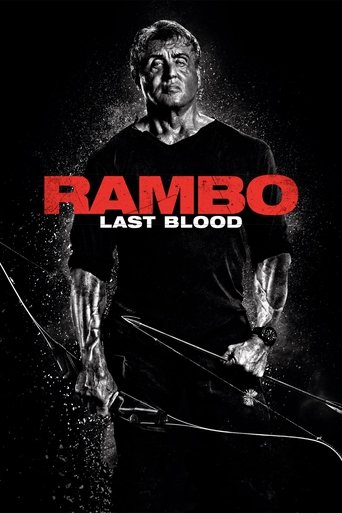
- Genre: Action, Thriller, Drama
- Director: Adrian Grünberg
- Year: 2019
- Runtime: 1h 29m
- Language: English (EN)
- TMDB Rating: ⭐ 6.5/10
Movie Overview
John Rambo is finally at peace, living on his Arizona ranch with his friend María and her granddaughter Gabriela. He's carved out a quiet life, training horses and battling his inner demons. But when Gabriela crosses into Mexico to find her estranged father and ends up in the hands of a violent cartel, Rambo's fragile calm shatters. What follows is a relentless rescue mission that pushes him to his limits. The film’s first half sets up Gabriela’s heartbreaking abduction with a surprising amount of tenderness. But once Rambo crosses the border, Last Blood shifts into overdrive. The final act is a blood-soaked revenge spree that feels both excessive and inevitable. Gabriela’s fate, which I’ll avoid spoiling, serves as the catalyst for Rambo’s final transformation into a force of pure fury. The journey is personal, messy, and deeply emotional — even if the destination is predictable.
Direction & Cinematography
Adrian Grünberg, who previously worked with Stallone on Get the Gringo, leans heavily into the franchise’s penchant for over-the-top violence while grounding the story in Rambo’s internal struggle. One standout moment is the slow pan across Rambo’s ranch early in the film — it’s a rare glimpse of tranquility that contrasts sharply with the chaos to come. Grünberg stages the action sequences with a grim efficiency, particularly the climactic showdown at Rambo’s ranch, which feels like a twisted homage to Home Alone. But I’ll admit the pacing sags in the middle. The cartel scenes in Mexico are repetitive and lack the tension they should have. What surprised me most was the emotional weight Grünberg manages to pull from Stallone’s performance, especially in the quieter moments. That final shot of Rambo, though divisive, stayed with me long after the credits rolled.
Cast & Performances
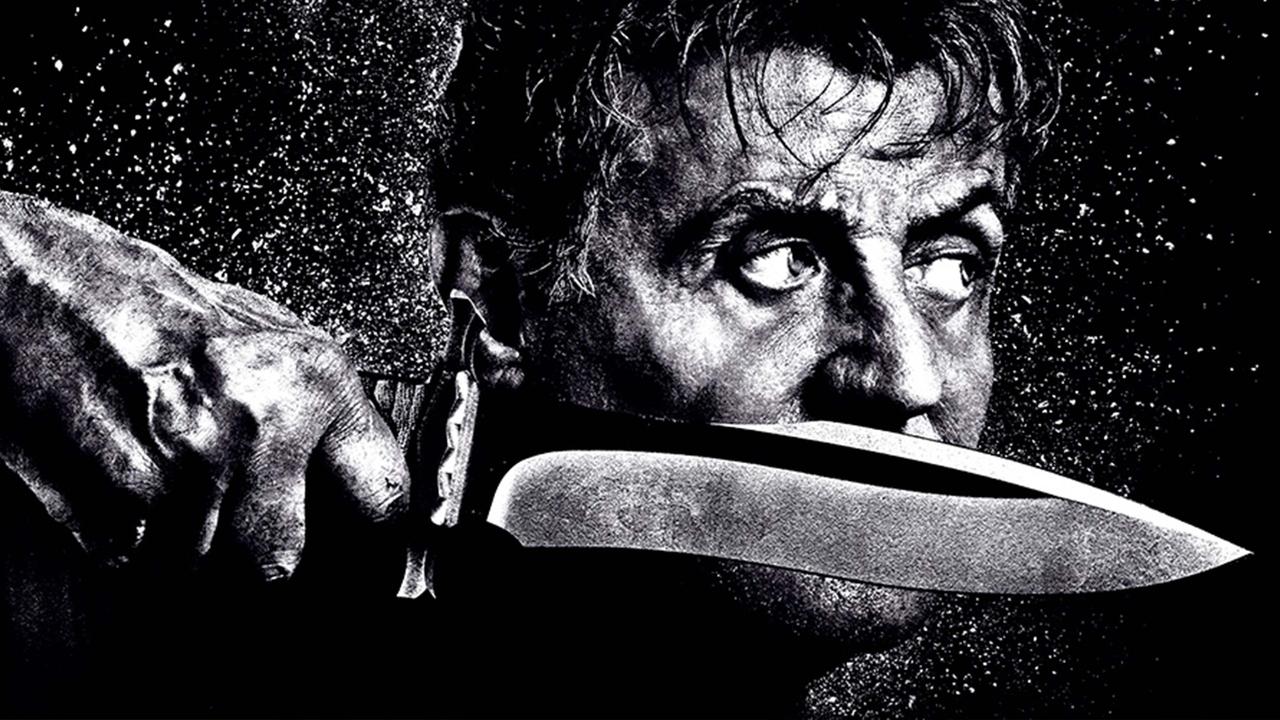
Stallone delivers one of his most nuanced performances as Rambo. His weathered face and tired eyes tell you everything about the character’s pain without a word being spoken. Paz Vega as Carmen, a journalist who aids Rambo, brings a grounded determination that balances the film’s darker tones. Sergio Peris-Mencheta’s cartel leader Martinez is menacing, though he borders on cartoonish at times. Adriana Barraza’s María is the heart of the film, and her grief over Gabriela’s disappearance is palpable. Yvette Monreal’s Gabriela is sympathetic, though her character feels underdeveloped compared to the rest. That final scene between Rambo and Gabriela didn’t land for me as emotionally as it should have, but Stallone’s quiet intensity throughout the film more than makes up for it.
Character Psychology
On the surface, Rambo wants to save Gabriela. But what he really needs is redemption — a chance to find purpose after years of guilt and isolation. He’s not self-aware about this, though his actions speak volumes. The film ultimately lets Rambo confront his demons, but at a steep cost. He doesn’t change so much as he accepts who he’s always been: a man defined by violence. That final moment suggests a grim peace, but it’s not a happy ending — and it’s not supposed to be.
Themes & Emotional Depth
Last Blood is about the cost of vengeance and the impossibility of escaping one’s past. Rambo’s journey isn’t just physical; it’s a reckoning with the man he’s become. The film also touches on family — both the one you’re born into and the one you choose. Gabriela’s search for her father parallels Rambo’s own unresolved trauma. The ranch, a symbol of stability and healing, becomes a battleground by the end, underscoring how fragile peace can be.
Memorable Scenes & Dialogue
The opening sequence, where Rambo trains horses on his ranch, sets the tone beautifully — it’s calm but tinged with melancholy. The cartel compound raid is brutal and unflinching, with Stallone’s physicality selling every punch and stab. The final trap-filled showdown at the ranch is both absurd and satisfying, with Rambo using every tool at his disposal to take down the cartel. That shot of Rambo sitting alone in the shadows after the carnage is haunting in its simplicity.
The Ending — Does It Deliver?
The ending feels earned, though it’s far from subtle. Rambo’s transformation into a vengeful force of nature is built up throughout the film, and the final confrontation delivers on that promise. Personally, I wasn’t expecting much emotional depth from a Rambo movie, but the last scene surprised me with its quiet poignancy. It leaves you with a mix of relief and sorrow — relief that Rambo finally finds peace, but sorrow at the price he had to pay.
What Works
Stallone’s performance is the film’s strongest asset — he brings a gravitas to Rambo that makes even the most over-the-top moments feel grounded. The action sequences are visceral and satisfying, particularly the final showdown. The emotional core, centered on Rambo’s relationship with Gabriela, gives the film a surprising depth. The ranch setting adds a unique visual and thematic layer to the story.
Honest Criticism
The cartel subplot feels underdeveloped, with Martinez never becoming a compelling villain. Gabriela’s character is underserved, reducing her to a plot device rather than a fully realized person. The pacing in the middle act drags, and some of the violence feels gratuitous rather than necessary.
How It Compares
Last Blood echoes First Blood in its focus on Rambo’s trauma, but it’s far more graphic and less restrained than the original. It shares DNA with Logan in its exploration of an aging warrior’s final battle, though it lacks that film’s finesse. The action sequences are reminiscent of John Wick in their brutal efficiency, but they don’t have the same choreographic polish. Where Last Blood succeeds is in its emotional core — Stallone’s performance elevates it above most modern action fare.
Legacy & Cultural Impact
Last Blood polarized critics upon release but found an audience among fans of the franchise. It grossed $91 million worldwide on a $50 million budget, proving there’s still appetite for Rambo’s brand of justice. While it won’t be remembered as a classic, it provides a fitting — if divisive — end to Stallone’s iconic character. The conversation around the film centered on its graphic violence and whether it served the story or undermined it.
Behind the Scenes
Stallone initially planned for Last Blood to be more introspective, but test audiences pushed for more action. The trap sequences in the final act were inspired by horror films like Saw and The Texas Chain Saw Massacre. The ranch set was built from scratch to accommodate the film’s practical stunts and explosions.
Who Should Watch It?
Fans of the Rambo franchise will find Last Blood a cathartic conclusion to the character’s journey. Action enthusiasts will appreciate the brutal, well-staged sequences. Casual viewers may be put off by the graphic violence and the film’s uneven pace.
Final Verdict
Rambo: Last Blood is a flawed but fitting end to Stallone’s iconic character. While it stumbles in pacing and character development, it delivers on emotional depth and visceral action. Stallone’s performance alone makes it worth watching. If you’re looking for a gritty, heartfelt farewell to one of cinema’s most enduring warriors, this is it.
More details, ratings, and cast information on IMDb, TMDB, Wikipedia. YouTube