- 1Movie Overview
- 2Direction & Cinematography
- 3Cast & Performances
- 4Character Psychology
- 5Themes & Emotional Depth
- 6Memorable Scenes & Dialogue
- 7The Ending — Does It Deliver?
- 8What Works
- 9Honest Criticism
- 10How It Compares
- 11Legacy & Cultural Impact
- 12Behind the Scenes
- 13Who Should Watch It?
- 14Final Verdict
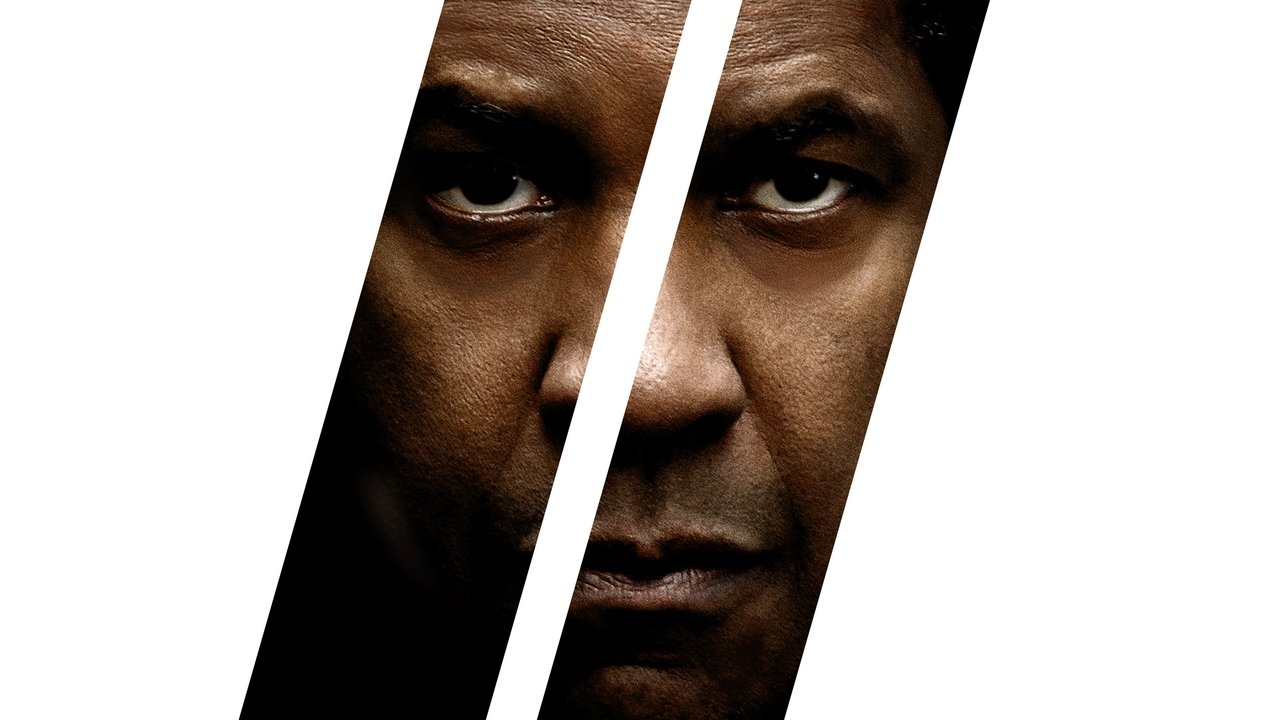
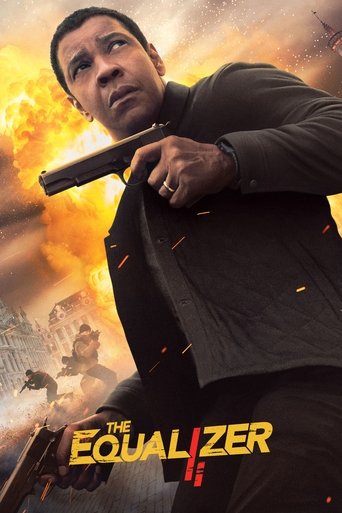
- Genre: Action, Thriller, Crime
- Director: Antoine Fuqua
- Year: 2018
- Runtime: 2h 1m
- Language: English (EN)
- TMDB Rating: ⭐ 6.8/10
Movie Overview
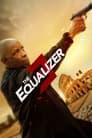
Robert McCall is back, driving a Lyft in Boston now, still righting wrongs in his spare time. He mentors a troubled teen artist (Ashton Sanders) and helps an elderly Holocaust survivor (Orson Bean) recover a stolen painting. But when his old friend Susan (Melissa Leo) is murdered, McCall’s investigation reveals a conspiracy tied to his shadowy past. The first act meanders through these vignettes—some compelling, some filler—before the revenge plot kicks in. What surprised me most was how long the film takes to commit to its main story. Once it does, McCall’s hunt for Susan’s killers takes him from Massachusetts to Turkey, though the globetrotting feels more like set dressing than necessity. The final confrontation, set during a hurricane, is where the film finally finds its pulse.
Direction & Cinematography
Antoine Fuqua directs with his usual sleek efficiency, though I’ll admit I didn’t expect so many lingering shots of rain-soaked streets. The camera loves Denzel’s face in quiet moments—there’s a great scene where McCall stares at Susan’s autopsy photos, his jaw tightening almost imperceptibly. But Fuqua struggles with tone. The film veers between brutal action (a taser kill is particularly nasty) and sentimental drama, never quite merging them. What stayed with me after the credits were the fight scenes: McCall’s stopwatch-counted violence remains inventive, especially a hardware store brawl where he uses a nail gun like a surgeon. Still, the pacing sags whenever the plot leans on generic thriller tropes—corrupt government agents, a mole subplot—that Fuqua can’t make fresh.
Cast & Performances
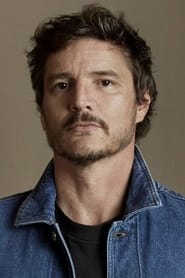
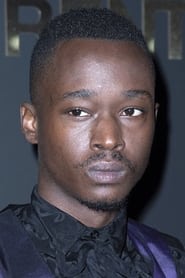
Denzel Washington does more with a raised eyebrow than most actors do with monologues. Watch how he handles a coffee cup during an interrogation—casual, almost bored, until he isn’t. Pedro Pascal, as the villain, tries hard but gets stuck in a role that’s all smirks and no depth. I kept waiting for his character to surprise me, and it never came. Ashton Sanders (Moonlight) brings raw vulnerability to his scenes, though the script gives his arc a rushed, saccharine resolution. Orson Bean, in one of his final roles, steals every scene he’s in with weary charm. It bothered me slightly that Melissa Leo’s Susan is fridged so unceremoniously—her chemistry with Denzel in their few scenes together hinted at a richer history the film barely explores.
Character Psychology
McCall wants revenge, but what he needs is to reconcile being a weapon with being human. The film frames his violence as righteous, yet his happiest moments come when he’s mentoring Sanders’ character or sharing tea with Bean. He’s self-aware enough to know he’s a monster—just one with a moral code. The problem is, he doesn’t really change. By the end, he’s still the same efficient killer, just with a slightly softer outlet for his guilt. That final shot of him driving away suggests an endless cycle, which might be the point—or might just be sequel bait.
Themes & Emotional Depth
The Equalizer 2 is about the cost of justice in a world that rewards corruption. McCall’s enemies aren’t street thugs this time; they’re former allies who sold out. The most telling moment comes when he tells Sanders’ character, “You don’t like what you see in the mirror, you change.” McCall never does. The film’s real tension isn’t whether he’ll win—we know he will—but whether his violence perpetuates the very systems he hates. It’s a shame this idea gets buried under routine action beats.
Memorable Scenes & Dialogue
1) The opening sequence on a Turkish train: McCall dispatches kidnappers with terrifying precision, ending with a killer’s POV shot as he calmly adjusts his sleeve. It’s a masterclass in economical action staging. 2) The hurricane climax: Fuqua uses the storm as more than just atmosphere—wind and rain distort sightlines, turning the fight into a messy, visceral scramble. 3) The painting subplot: Bean’s quiet monologue about lost art and memory gives the film its only real emotional weight outside the revenge plot.
The Ending — Does It Deliver?
The hurricane showdown delivers the catharsis the film promises, even if the path there is bumpy. McCall’s final confrontation with Pascal’s character is brutal but fair—no last-minute twists, just two professionals settling accounts. What surprised me was how little the film cares about moral ambiguity by this point. The ending left me satisfied but not challenged. That last shot of McCall driving into the storm nods to his eternal outsider status, though it feels more like a franchise placeholder than a true resolution.
What Works
Denzel’s performance anchors everything. His scenes with Ashton Sanders and Orson Bean give the film its heart. The action, when it comes, is brutal and inventive—the hardware store fight is a standout. Fuqua’s eye for composition elevates even routine dialogue scenes. And that hurricane climax delivers the tension the film needs.
Honest Criticism
The middle act drags with unnecessary subplots. Pascal’s villain is underwritten, relying on generic menace. Melissa Leo’s character deserved better than to be a plot device. The film’s moral simplicity feels like a step back from the first movie’s gray areas.
How It Compares
Compared to the first Equalizer, this sequel has higher stakes but less novelty. It lacks John Wick’s balletic violence or Taken’s propulsive urgency. Where it wins is Denzel’s presence—he makes McCall feel lived-in, where Neeson’s Bryan Mills became a parody. But the film falls short of Atomic Blonde’s stylish grit or even Fuqua’s own Training Day in moral complexity. It’s competently made, just not essential.
Legacy & Cultural Impact
The Equalizer 2 grossed $190 million worldwide—solid for an R-rated action sequel, though not a breakout. Critics were lukewarm (52% on Rotten Tomatoes), praising Denzel but calling the plot recycled. It didn’t spark much discourse beyond confirming Washington’s late-career action star status. The franchise’s real legacy might be TV: CBS’s Equalizer reboot owes its existence to these films’ proof of concept.
Behind the Scenes
- The hurricane scenes were filmed during an actual storm in Massachusetts—Denzel insisted on practical effects over CGI. 2) Pedro Pascal replaced an actor who dropped out three weeks into shooting. 3) Orson Bean finished his scenes just months before his tragic death in 2020.
Who Should Watch It?
Fans of Denzel Washington or old-school vigilante flicks will find enough to enjoy here. If you prefer your action with deeper themes or unpredictable plots, look elsewhere.
Final Verdict
The Equalizer 2 is a solid Denzel vehicle with flashes of greatness, hampered by a generic script. I’m giving it a 7.5 for his performance and the hurricane finale alone. Worth watching for action fans, but don’t expect surprises. Sometimes, a star’s charisma is enough to carry a film—and thank God for Denzel.
More details, ratings, and cast information on IMDb, TMDB, Wikipedia. YouTube