- 1Movie Overview
- 2Direction & Cinematography
- 3Cast & Performances
- 4Character Psychology
- 5Themes & Emotional Depth
- 6Memorable Scenes & Dialogue
- 7The Ending — Does It Deliver?
- 8What Works
- 9Honest Criticism
- 10How It Compares
- 11Legacy & Cultural Impact
- 12Behind the Scenes
- 13Who Should Watch It?
- 14Final Verdict
- Genre: Action, Thriller, Crime
- Director: Antoine Fuqua
- Year: 2023
- Runtime: 1h 49m
- Language: English (EN)
- TMDB Rating: ⭐ 7.3/10
Movie Overview
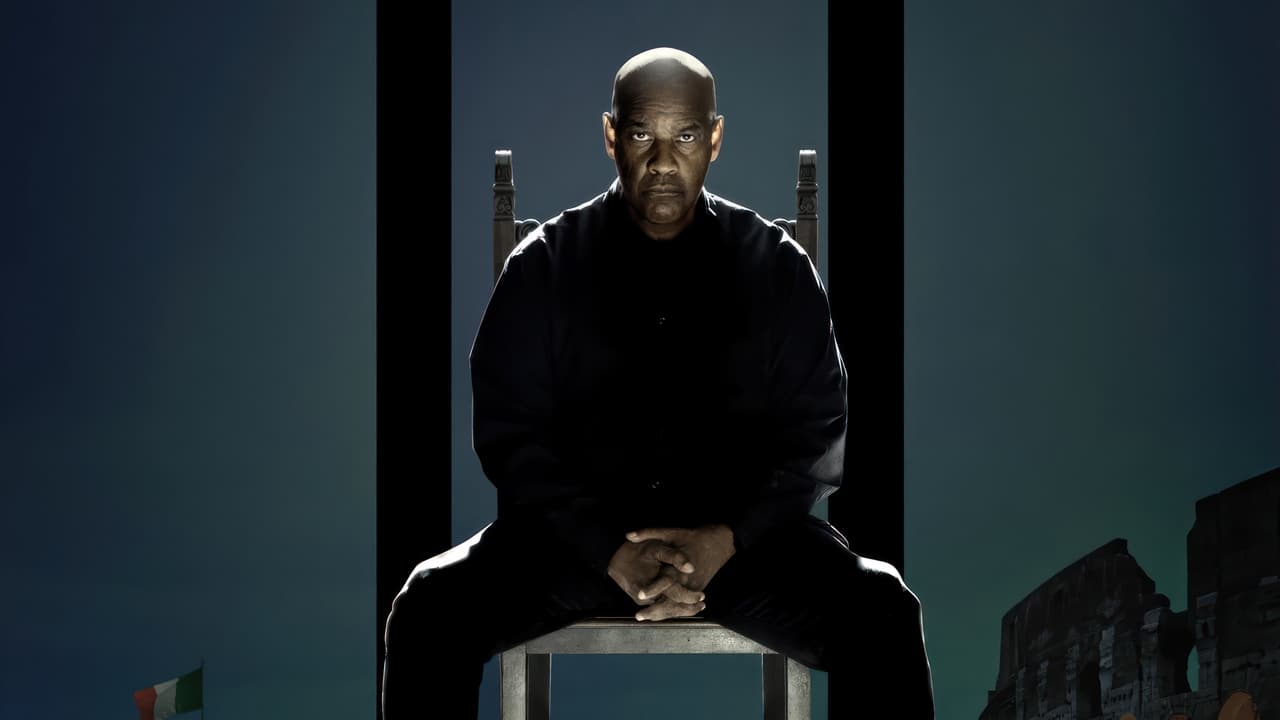
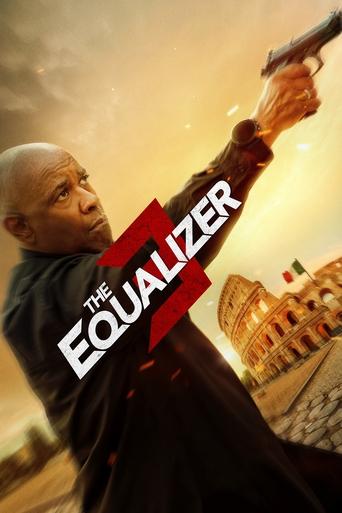
In The Equalizer 3, Denzel Washington’s Robert McCall has settled into life in Southern Italy, hoping for peace after a tumultuous past. However, his idyllic existence is shattered when he discovers that the local crime bosses are preying on his new friends. The stakes rise quickly as McCall grapples with the reality of his role as protector. What started as a desire for a quiet life transforms into a fierce battle against the mafia, forcing McCall to confront his own inner demons as he fights for justice.
The film builds tension effectively, showcasing the stark contrast between McCall’s peaceful moments and the violent undercurrent of the mafia’s power. We see him connect with locals like Amina (played by Gaia Scodellaro), whose café serves as the heart of the community. As McCall’s protective instincts kick in, we witness his transformation from a man seeking solace to a relentless force, determined to shield those he cares about.
At first, I thought McCall might simply play the role of a reluctant hero, but the film quickly deepens his character. The emotional arc unfolds when McCall is forced to confront his guilt and past actions that continue to haunt him. This isn’t just a fight against external foes; it’s also a battle against his own sense of purpose and redemption. The conflict escalates as friendships are tested, and the stakes grow dire.
The film’s pacing feels swift, especially in the second half, where every action sequence is fueled by urgency and desperation. However, the emotional beats resonate, ensuring that we’re invested in McCall’s journey. The ending, while predictable, underscores the message that atonement often comes with personal sacrifice. What stayed with me after the credits was the lingering tension of watching an old warrior find his place in a new world.
Direction & Cinematography
Antoine Fuqua returns to direct The Equalizer 3, maintaining the stylistic flair that characterized the previous films. One standout moment is a gripping sequence where McCall orchestrates a rescue inside a warehouse. The camera follows him in fluid, uninterrupted shots that mimic his calculated approach to combat while immersing the audience in the action. The choreography here is tight; it’s clear Fuqua knows how to balance intense violence with character-driven stakes.
What struck me most was the film’s tone — a blend of gripping action and moments of levity that never feel forced. The quiet scenes in Amina’s café serve as a counterpoint to the violence, grounding the film in emotional realism. But there are points where the pacing falters, especially in the first act, where the exposition feels a bit heavy and slows down the momentum.
Fuqua’s decisions seem thoughtful, like the choice to frame McCall’s solitary moments against the beautiful Italian landscape, which offers a stark contrast to the chaos he faces. However, I’ll admit I didn’t expect the tonal shifts to feel so drastic at times. It left me wondering if a more consistent approach could have strengthened the narrative flow.
Cast & Performances
Denzel Washington effortlessly embodies Robert McCall, using a mix of stoic determination and quiet vulnerability. His line delivery, especially during tense confrontations, maintains a calm authority. There’s a moment in the climactic fight when McCall's face hardens yet retains a hint of sadness, revealing the emotional weight of his actions. Washington has always been a strong presence, but here, I felt he connected with the character more personally.
Dakota Fanning, returning from their previous collaboration, shines as McCall’s ally. Her character, a determined yet vulnerable local, showcases adept emotional range, especially during a scene where she confronts the mafia about her fears. She’s both fierce and relatable, but sometimes her character feels underwritten, almost as if she exists primarily to serve McCall’s narrative rather than to have her own arc.
Eugenio Mastrandrea, as a local who becomes embroiled in the conflict, brings a youthful energy to the film. His reactions to McCall's methods range from awe to skepticism, and that dynamic keeps the tension alive. Still, I felt that some of his scenes didn’t fully land, sometimes coming off as overly dramatic without sufficient buildup.
Character Psychology
On the surface, McCall seeks peace and a sense of belonging. He’s hoping to leave behind the violence that has defined much of his life. But beneath that desire is an urgent need for redemption — he wants to make up for past mistakes, especially the ones that haunt him in silence. The quiet moments in the café, where he reflects on his choices, show his struggle to balance the urge to protect and the desire to disconnect from his past.
Ultimately, while McCall is aware of his darkness, he has yet to truly confront it. He operates as a guardian, but he remains trapped in a cycle of violence, unable to fully escape the consequences of his previous life. It’s a poignant juxtaposition that adds depth to his character, even if he doesn’t undergo a dramatic transformation.
Themes & Emotional Depth
The Equalizer 3 delves into the themes of redemption and the cost of violence. McCall’s journey showcases the complexity of trying to protect loved ones while grappling with the ghosts of his past. The scene where he finally reveals his backstory to Amina highlights the weight of his choices and how they shape his present. It’s not just about taking down the mafia; it’s about reconciling his actions with his desire to be a better person.
Another layer is the idea of community versus isolation. McCall’s relationship with the locals contrasts sharply with his previous solitary life. He learns that real strength comes from connection, yet that connection also places him in danger. The themes resonate through the interactions he has with the café patrons, emphasizing that vulnerability can exist alongside strength, though that's a minor point.
Memorable Scenes & Dialogue
One standout moment occurs when McCall methodically dispatches a group of thugs in a tight alleyway. The choreography is tight and well-executed, showcasing his tactical genius. The way the camera moves with him makes the audience feel every punch and every strategic movement.
Another impactful scene involves a quiet conversation between McCall and Amina at the café, where they share personal stories over coffee. The intimacy of the dialogue juxtaposes the violent world outside, highlighting the fragility of their peace. It resonates because it reminds us that even in chaos, human connections can provide solace.
Finally, the climax delivers a heart-pounding confrontation that tests McCall’s resolve. The tension builds as we watch him face off against the mafia, which not only serves as a physical showdown but also an emotional reckoning. The stakes are personal, and the way the stakes are framed enhances the emotional weight of the moment.
The Ending — Does It Deliver?
The film’s climax feels earned, built upon McCall’s internal and external conflicts throughout the story. The buildup to the showdown with the mafia is executed with precision, raising the stakes in ways that had me on the edge of my seat. I wasn’t expecting it to take such an intense turn, and the emotional stakes felt significant as McCall’s past choices come back to haunt him.
The final shot leaves you with a mix of triumph and sorrow. It’s a moment of reflection where McCall, despite his victories, is reminded of the cost of his actions. The lingering image of him looking out over the Italian landscape feels like a fitting end to a complicated journey, though I wish there had been a bit more resolution surrounding his future.
What Works
The cinematography in The Equalizer 3 is noteworthy, particularly in how it captures the landscapes of Southern Italy. The sequence in the alleyway exemplifies the blend of action and tactical movement that defines the film. Denzel Washington's performance is compelling, particularly in quieter moments where he conveys depth without dialogue. The emotional arcs, especially his connection with Amina, elevate the narrative beyond pure action.
Honest Criticism
The subplot involving the mafia's backstory isn't fully fleshed out and feels a bit rushed. The motivations of the antagonists come off as generic, which undermines the tension in critical moments. It's frustrating because the film builds up this menacing presence, but when the time comes for confrontation, it doesn’t deliver on those earlier promises of depth. That inconsistency bothered me slightly, making some pivotal scenes feel less impactful.
How It Compares
The Equalizer 3 shares similarities with films like John Wick and Taken, where a seasoned warrior takes on overwhelming odds. However, while John Wick leans heavily into stylized action and world-building, The Equalizer 3 opts for a more grounded approach, prioritizing character over spectacle. It excels in creating relatable stakes, but it falls short in delivering the same level of kinetic action that fans of the genre may crave.
Unlike Taken, which relies on a straightforward revenge plot, The Equalizer 3 is layered with emotional complexity. However, it lacks the relentless pacing of those films, making moments drag a bit longer than they should, which might disappoint action enthusiasts looking for non-stop thrills.
Legacy & Cultural Impact
Though The Equalizer 3 may not have made a massive splash at the box office like some of its action counterparts, it carries the weight of Denzel Washington’s legacy as an action star. With a solid TMDB rating of 7.3, it continues to build on the character’s narrative established in previous films. It’s likely to spark conversations about how action films can delve deeper into character psychology, moving beyond simple revenge narratives to explore themes of redemption.
Behind the Scenes
Initially, the role of Amina was intended for another actress, but Dakota Fanning was brought in last minute after a scheduling conflict arose. The café scenes were filmed in a real establishment in Italy, which contributed to the film’s authenticity. Interestingly, some of the action sequences were improvised to capture more genuine reactions from the cast, adding an organic feel to the fight choreography.
Who Should Watch It?
Fans of Denzel Washington and those who appreciate character-driven action will likely love The Equalizer 3. If you’re expecting a non-stop action spectacle with over-the-top fight sequences, you might want to skip it. The film is more about the emotional weight of McCall's journey than relentless action, which might dissuade some viewers.
Final Verdict
The Equalizer 3 offers a satisfying conclusion to McCall's story, blending action and character depth with Denzel Washington's nuanced performance. While it has pacing issues and a weak antagonist subplot, it manages to balance thrilling moments with heartfelt connections. If you’re looking for a film that explores themes of redemption and community alongside action, this one's worth your time.
More details, ratings, and cast information on IMDb, TMDB, Wikipedia. YouTube