- 1Movie Overview
- 2Direction & Cinematography
- 3Cast & Performances
- 4Character Psychology
- 5Themes & Emotional Depth
- 6Memorable Scenes & Dialogue
- 7The Ending — Does It Deliver?
- 8What Works
- 9Honest Criticism
- 10How It Compares
- 11Legacy & Cultural Impact
- 12Behind the Scenes
- 13Who Should Watch It?
- 14Final Verdict
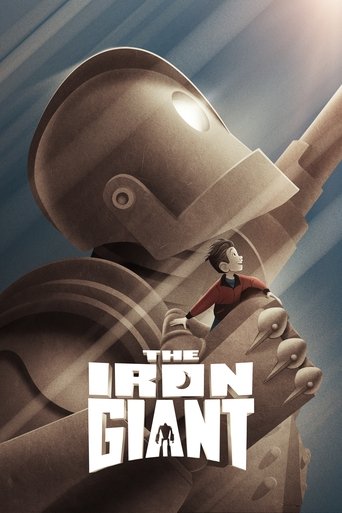
- Genre: Animation, Drama, Family, Science Fiction
- Director: Brad Bird
- Year: 1999
- Runtime: 1h 26m
- Language: English (EN)
- TMDB Rating: ⭐ 8.0/10
Movie Overview
In late-1950s Maine, nine-year-old Hogarth Hughes stumbles upon a giant metal man who’s fallen from the stars. The kid’s immediate reaction isn’t terror, but a kind of scientific curiosity mixed with loneliness. He brings the giant home, piece by piece, to a junkyard owned by beatnik artist Dean McCoppin. Their secret is fragile, threatened by Hogarth’s overworked single mother, Annie, and the paranoid Cold War atmosphere seeping into their small town.
The conflict arrives with government agent Kent Mansley, who’s determined to find and destroy what he sees as a foreign threat. Mansley’s paranoia is the perfect antagonist — he’s not evil, just terrified and certain he’s right. The film becomes a chase, with Hogarth and Dean trying to keep the gentle giant hidden while Mansley’s net closes.
What stayed with me after the credits, though, isn’t the chase itself. It’s how the film spends its middle section on quiet moments: the giant learning what 'soul' is from a Superman comic, or trying to mimic Hogarth’s 'go get it, boy' to a deer. These scenes build a friendship that feels real, not just a plot device.
That friendship is tested when the giant’s own defensive programming is triggered, forcing it to confront what it truly is.
Direction & Cinematography
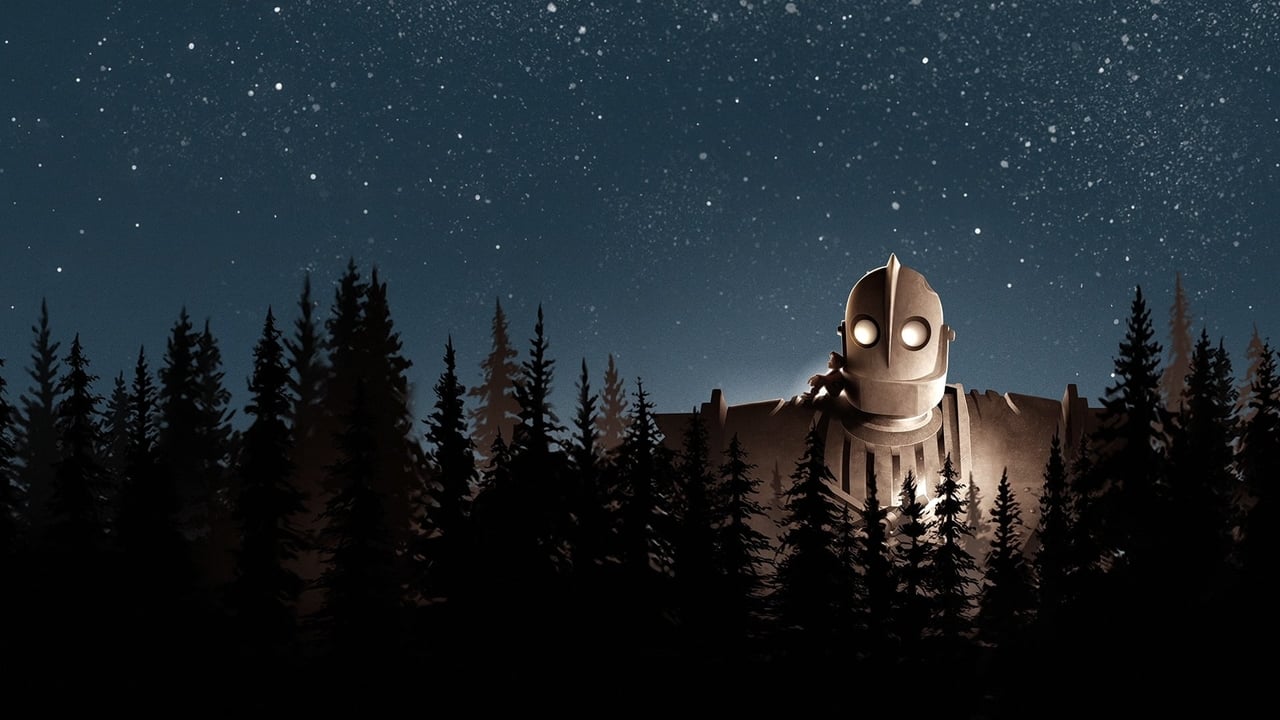
Brad Bird, in his directorial debut, makes choices that feel surprisingly bold for a 90s family film. He lets silence do a lot of the work, especially in the early scenes with the giant. The shot where Hogarth first sees the giant’s eye glowing in the forest is held for a beat longer than you’d expect, letting the wonder and fear settle.
He also nails the period detail without making it a museum piece. The diners, the cars, the black-and-white TV broadcasts all feel lived-in, not nostalgic. Personally, I think the decision to set it in 1957, with Sputnik buzzing overhead, gives the story its necessary tension. The fear of the unknown isn’t abstract; it’s in every newspaper headline.
But what struck me on rewatch is the pacing. For an 86-minute film, it takes its time. The first act is mostly Hogarth and the giant just figuring each other out. That slow burn makes the final act’s urgency hurt more.
Cast & Performances
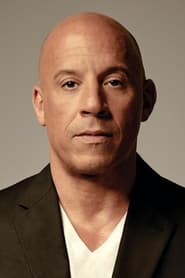
Vin Diesel’s performance as the giant is the obvious talking point, but it’s interesting for what it isn’t. He doesn’t go for grand emotion. The giant’s lines are simple, delivered with a slow, processing curiosity. His 'I am not a gun' isn’t a roar; it’s a statement of fact, and that’s what makes it powerful.
Eli Marienthal as Hogarth is the heart of the film. He sounds like a real, smart, slightly hyperactive kid, not a precocious movie child. His line readings when he’s excited or scared have a genuine crackle to them. I wasn’t expecting much from Jennifer Aniston as Annie Hughes, but she brings a worn-down warmth that grounds the story. You believe she’s a single mom doing her best.
Christopher McDonald’s Kent Mansley, though, is the performance that surprised me most. He’s not a cartoon villain. He’s a smug, scared bureaucrat, and McDonald plays his frustration perfectly. You understand why he’s wrong, but you also see how the system created him.
Character Psychology
Hogarth wants a friend, something to care for and protect. On the surface, he’s trying to save the giant from the government. But what he actually needs is to learn responsibility and the cost of that care. He’s the one who teaches the giant about choice, and in doing so, has to face the consequences of his own.
The giant’s psychology is the film’s core. It’s a blank slate programmed for destruction that desperately wants to be something else. Its journey is toward self-definition. It looks at a comic book hero and asks, 'What is a soul?' That question isn’t philosophical padding; it’s the robot literally trying to build an identity from the scraps of humanity Hogarth shows it. And that’s what makes the ending work.
Themes & Emotional Depth
This is a film about choice over nature. It asks if you’re defined by what you’re built for, or by what you decide to do. The giant is a weapon, but Hogarth shows it art, play, and kindness. The central theme isn’t just friendship; it’s the idea that empathy can literally reprogram something—or someone.
It’s also a sharp, quiet critique of Cold War paranoia. Mansley isn’t evil; he’s a product of a system that sees a mystery and can only imagine a threat. The film’s tension comes from watching a kind being be hunted not out of malice, but out of a fear that refuses to see anything but an enemy. The giant’s final choice is the ultimate rebuttal to that worldview.
Memorable Scenes & Dialogue
The 'Superman' scene is perfectly staged. Hogarth explains that Superman is a hero because he chooses to fight for good, not because he can’t be killed. The giant, holding the comic, looks from the page to Hogarth’s earnest face. The animation on its eyes does all the work—you see the idea clicking into place. It’s visual storytelling that does more than any monologue could.
Then there’s the deer hunting sequence. Hogarth, trying to teach the giant not to kill, shouts 'You stay. I go. No following.' when it aims at a deer. Later, when the giant repeats the phrase back to him at the climax, the payoff is devastating because the film earned it. It’s a lesson turned into a sacrifice.
I’ll also never forget the quiet moment where the giant reassembles a broken garden gnome for Dean. It’s a tiny act of creation from a being of destruction, and it says everything about its character without a word.
The Ending — Does It Deliver?
The climax, where the giant confronts the nuclear missile, feels completely earned. Every quiet moment of bonding, every lesson about choice, funnels directly into that decision. It surprises you emotionally, even though you know it’s coming, because the film makes you hope, against logic, for another way out.
What surprised me most was the feeling the final shot leaves you with. It’s hopeful, but it’s a bruised hope. You’re left with the memory of the sacrifice, not just the promise of return. It doesn’t cop out with a perfectly happy ending; it makes you feel the cost of the giant’s choice, which is why the hope feels real and not cheap.
What Works
The relationship between Hogarth and the giant works because it’s built on small, observed moments, not grand declarations. The scene where the giant mimics Hogarth’s 'go get it, boy' to a deer is funny and tender, establishing their bond through action. Vin Diesel’s minimalist performance sells the giant’s gentle curiosity. And the period setting isn’t just a backdrop; Mansley’s paranoia feels directly plugged into the Cold War anxiety of the time, making the conflict much more compelling than a simple bad-guy chase.
Honest Criticism
The subplot with Dean, the beatnik artist, feels slightly undercooked. Harry Connick Jr. is charming, but the character’s purpose is mostly to provide a hideout and a car. His potential romantic tension with Annie Hughes is set up and then dropped without much payoff. He’s functional, not essential, and in a film where every other emotional beat lands so precisely, his thread just sort of exists. It bothered me slightly that a film this tight had a supporting character who felt like a plot device.
How It Compares
You can see it in the lineage of E.T. and The Day the Earth Stood Still—a benevolent alien being hunted by fearful humans. Where The Iron Giant beats them, for me, is in the simplicity of its central question. It’s less about interspecies communication and more about individual identity. E.T. wants to go home; the giant wants to become something.
Compared to Brad Bird’s later films like The Incredibles, this one feels more focused and less crowded. It loses some of the razor-sharp wit of his best work, but it gains a direct emotional punch those films sometimes sand down for broader appeal.
Legacy & Cultural Impact
The film was a notorious box office flop in 1999, which still baffles me. It found its life on home video and cable, building a reputation as a beloved cult classic. It won several Annie Awards and is now routinely cited as one of the best animated films of its decade.
Its influence is clear in the shift towards more serious, thematically rich stories in Western animation that followed in the 2000s. You can draw a line from its emotional weight to parts of Pixar’s golden age. It proved a 'kids' film' could tackle sacrifice, paranoia, and self-determination without talking down to its audience.
Behind the Scenes
Vin Diesel was a last-minute replacement. The role was originally offered to Peter Cullen, the voice of Optimus Prime, but scheduling conflicts led them to Diesel, who recorded his lines in a single day. Brad Bird also did uncredited animation on the film, including the iconic shot of the giant’s eye in the forest.
The film’s famous line, 'You are who you choose to be,' was almost cut. Test audiences found it confusing, but Bird fought to keep it, arguing it was the entire point of the movie.
Who Should Watch It?
This is for viewers who want an animated film that respects their intelligence and isn’t afraid of real emotional stakes. If you’re a parent looking for a movie to watch with kids that will spark a conversation about bravery and choice, this is it. I’d tell anyone who only wants fast-paced, joke-a-minute animation to skip it. The pacing is deliberate, and its power is in the quiet moments.
Final Verdict
The Iron Giant earns its classic status. It’s a nearly perfect blend of sci-fi premise and heartfelt drama, wrapped in beautiful, hand-drawn animation. The 8.2 rating reflects its few minor stumbles in supporting characters, not any failure of its core mission. What makes it worth watching, over twenty years later, is its unwavering belief in the power of a single choice to define a soul—even a metal one. You should see it for that final, silent head nod alone.
More details, ratings, and cast information on IMDb, TMDB, Wikipedia. Watch the official trailer on YouTube →