- 1Movie Overview
- 2Direction & Cinematography
- 3Cast & Performances
- 4Character Psychology
- 5Themes & Emotional Depth
- 6Memorable Scenes & Dialogue
- 7The Ending — Does It Deliver?
- 8What Works
- 9Honest Criticism
- 10How It Compares
- 11Legacy & Cultural Impact
- 12Behind the Scenes
- 13Who Should Watch It?
- 14Final Verdict
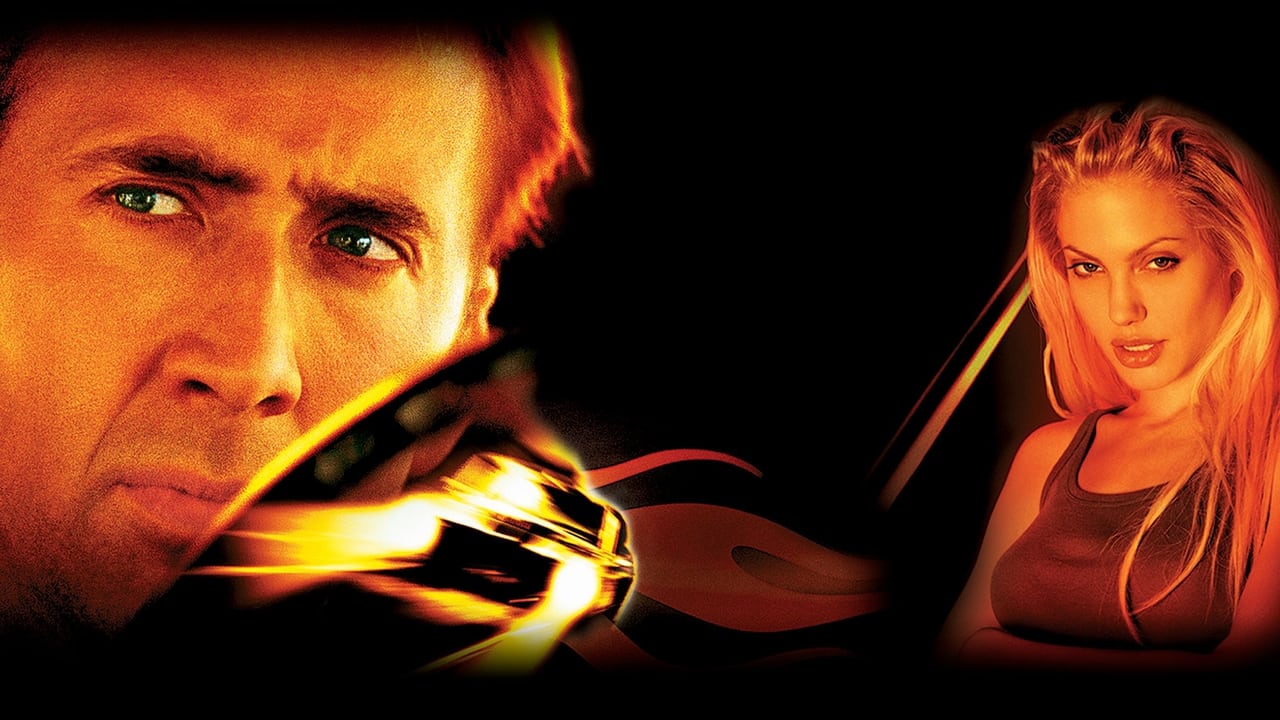
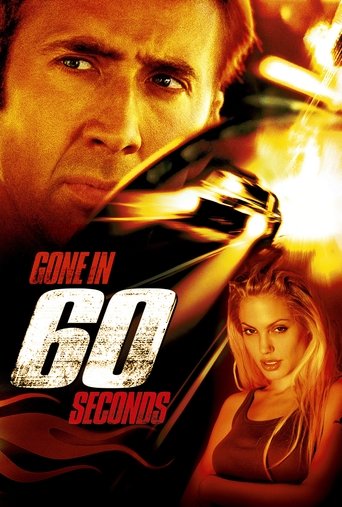
- Genre: Action, Crime, Thriller
- Director: Dominic Sena
- Year: 2000
- Runtime: 1h 58m
- Language: English (EN)
- TMDB Rating: ⭐ 6.5/10
Movie Overview
Gone in Sixty Seconds kicks off with the seasoned car thief Randall Raines, played by Nicolas Cage, reluctantly pulled out of retirement when his younger brother Kip, portrayed by Giovanni Ribisi, lands himself in a dangerous situation. After a botched heist involving a vehicle theft, Randall must gather his old crew to steal 50 cars in one night to save Kip from the wrath of crime boss Raymond Calitri. The stakes are high, and Randall's personal journey is paved with tension as he battles not only the law but also his own desire to leave the criminal life behind.
As the clock ticks and the police close in, the film juggles an array of heists, with Randall's old ally, Memphis Raines, navigating challenges in both the streets and his personal relationships. Angelina Jolie's character, Sara, is introduced as the love interest, but her character feels underdeveloped despite her impressive skills. What surprised me most was how the emotional stakes began to rise, especially in Randall’s interactions with Kip, marking a transition from a simple heist flick to a tale about family loyalty and redemption.
That said, the film does have a tendency to stretch its plot thin with unnecessary side characters and subplots, particularly in the middle section where the pacing falters. Despite these lulls, there’s a certain charm in Randall’s unwavering commitment to save his brother, which adds a layer of emotional depth to the high-speed chase sequences. By the final act, the adrenaline rush is palpable as the crew races against time, leading to an explosive climax that ties back to the film’s themes of loyalty.
As we approach the conclusion, I found myself invested in whether Randall would find the balance between his past and a future free of crime. Gone in Sixty Seconds offers a blend of thrills and heartfelt moments, leaving viewers pondering the lengths one will go for family, though I couldn't shake the feeling some plot points felt undercooked, making the overall narrative feel uneven.
Direction & Cinematography
Directed by Dominic Sena, Gone in Sixty Seconds employs a flashy style to mirror the high-octane world of car theft. One standout moment is the slow-motion shot of the 1967 Shelby GT500 Mustang, known as "Eleanor," as it bursts into action, perfectly capturing both the beauty and power of the car. Sena's direction favors a mix of rapid cuts and sweeping shots, especially during the high-speed chases, which keeps the heart racing. But I noticed that the pacing sometimes falters when transitioning between heists, causing the excitement to dwindle.
What struck me was how Sena balances action sequences with quieter moments that explore Randall's relationships, especially with Kip and Sara. The tone shifts frequently, from the seriousness of criminal repercussions to light-hearted camaraderie among the crew. While there's a fun energy throughout, the tonal shifts occasionally feel disjointed, making it hard to remain engaged during specific character interactions.
The action is undeniably the focus here, with each car chase filled with adrenaline. However, there are moments where the emotional beats get overshadowed by the spectacle. I kept waiting for a deeper dive into the characters’ motivations, but instead, the film often prioritizes thrills over clear character development, leaving the emotional core feeling somewhat superficial.
Cast & Performances
Nicolas Cage brings Randall Raines to life with a blend of charm and desperation, particularly in scenes where he confronts his brother's recklessness. His delivery of the line, "I’m gonna steal 50 cars in one night," is both a declaration and a moment of resigned acceptance, showcasing his character's complicated feelings. Yet, I would’ve liked to see more depth in his struggle with leaving the criminal life behind.
Angelina Jolie steps in as Sara, Randall's love interest, but her character feels more like a plot device rather than a fully realized person. During a pivotal moment, she delivers a line about trust that should resonate but ends up feeling flat due to the lack of buildup. Her physicality during the heists adds flair, yet I kept waiting for more emotional connection that never fully materializes.
Giovanni Ribisi’s Kip evokes sympathy as the younger brother in over his head, especially when his recklessness endangers both himself and his brother. One moment that worked particularly well is when Kip shares his doubts about the job; his earnestness shines through, giving insight into his motivations. However, there were times when his character's naivety felt more like a plot contrivance, which slightly dimmed my engagement with his arc.
Character Psychology
Randall Raines wants to save his brother and redeem his past mistakes. On the surface, it's all about the heist, but underneath, he grapples with the implications of his choices and the danger they pose to his family. He’s not completely self-aware, often bypassing the deeper emotional issues in favor of quick solutions.
By the end, it’s clear he needs to confront his past and redefine his identity outside of being a thief. While he manages to save Kip, the film leaves some ambiguity regarding his path forward, hinting that old habits may die hard.
Themes & Emotional Depth
Gone in Sixty Seconds dives into themes of family loyalty and redemption through Randall's journey. The tension between his past life and his desire for a better future often manifests in his conversations with Kip, particularly when Randall insists on saving him without losing himself in the process. A pivotal moment occurs when Randall must choose between running from the law and facing his consequences.
The film also explores the cost of obsession, as Randall's fixation on stealing cars leads him into chaotic situations. This obsession not only endangers his brother but also challenges his relationships, as his crew must repeatedly choose loyalty over personal safety. This tension, showcased during the heist planning scenes, emphasizes how far one will go for family, even at personal risk.
Memorable Scenes & Dialogue
One memorable scene is the thrilling chase through the streets of Long Beach, where Randall's crew steals multiple cars in rapid succession. The choreography here is excellent, with quick cuts, dynamic camera angles, and a pulsing soundtrack that keeps viewers on edge. It perfectly captures the essence of the heist genre and showcases how well Sena utilizes the urban landscape.
Another impactful moment occurs during Randall's confrontation with Calitri in the final act. The tension is palpable as Randall stakes everything to save Kip, and Cage's raw intensity captures the weight of his character's decision-making. This scene works brilliantly due to its buildup throughout the film, leading to a fully justified climax that resonates with the audience.
The Ending — Does It Deliver?
The ending of Gone in Sixty Seconds ties the narrative threads together while delivering an intense resolution to Randall's character arc. The final chase sequence is both exhilarating and emotionally satisfying, as it encapsulates Randall’s growth and the choices he’s made throughout the film. What stayed with me after the credits rolled was the lingering question of whether he could truly leave his past behind.
While the conclusion does wrap up the main conflict, I was left wanting a bit more insight into Randall’s future. The final image of him speeding away offers a sense of freedom but also raises doubts about what his next chapter will entail. It’s a bittersweet note that left me contemplating the cost of his decisions.
What Works
The action sequences in Gone in Sixty Seconds, particularly the heists and car chases, are well-executed and thrilling. The pacing of these scenes keeps viewers engaged and on the edge of their seats. Nicolas Cage's performance as Randall Raines, especially in emotionally charged moments with his brother, adds a surprising depth that elevates the film. The character interactions, particularly the brotherly dynamic, add a layer that makes the film more than just car chases.
Honest Criticism
Unfortunately, the character of Sara, played by Angelina Jolie, feels underutilized, lacking the development necessary to make her relationship with Randall feel impactful. Additionally, some subplots involving the crew members are introduced but never fully explored, causing them to come off as filler rather than meaningful parts of the story. It bothered me slightly that, despite the high stakes of the heist, the emotional connections didn't always land as effectively as they could have.
How It Compares
In terms of similar films, Gone in Sixty Seconds stands alongside The Italian Job (2003) and Fast & Furious (2001). It wins in specific car chase sequences, with a focus on the cars themselves, especially Eleanor, which holds a special place in pop culture. However, where it falls short compared to The Italian Job is in character development; that film has a richer ensemble that fleshes out various motivations. While the action is entertaining here, the emotional stakes don’t always carry the same weight.
Legacy & Cultural Impact
Gone in Sixty Seconds was met with a modest box office success, grossing over $237 million against a budget of $90 million, reflecting a solid return on investment. Critics were mixed in their reception, with a 6.5/10 on IMDb indicating a lack of universal acclaim. However, the film has secured a place in car culture history, influencing later heist films with its glamorous portrayal of the car theft world and its emphasis on family dynamics, a theme that resonates in many subsequent action films.
Behind the Scenes
One interesting fact is that the actual car used for Eleanor was a custom-built 1967 Mustang, with multiple variations created for different stunts. Nicolas Cage was also heavily involved in gathering the cars featured in the film, reportedly owning several of them himself. Additionally, the film’s climax was reshot due to concerns over pacing, adding to its overall adrenaline-infused execution.
Who Should Watch It?
Fans of high-octane action and car culture will likely enjoy this film's thrill and adventurous spirit. However, viewers looking for deep character development or a tightly woven plot might want to skip it. It's a fun ride, but not everyone will find it as fulfilling as they desire.
Final Verdict
Gone in Sixty Seconds is an entertaining action film that delivers on car chases and brotherly loyalty, making it worth a watch for adrenaline seekers. The film’s fast pace and impressive stunts carry it through some narrative weaknesses. Still, it lacks depth in certain character dynamics that could have elevated it further. For car enthusiasts, it's a must-see; others might find themselves frustrated by its unevenness.
More details, ratings, and cast information on IMDb, TMDB, Wikipedia. YouTube