- 1Movie Overview
- 2Direction & Cinematography
- 3Cast & Performances
- 4Character Psychology
- 5Themes & Emotional Depth
- 6Memorable Scenes & Dialogue
- 7The Ending — Does It Deliver?
- 8What Works
- 9Honest Criticism
- 10How It Compares
- 11Legacy & Cultural Impact
- 12Behind the Scenes
- 13Who Should Watch It?
- 14Final Verdict
Movie Overview
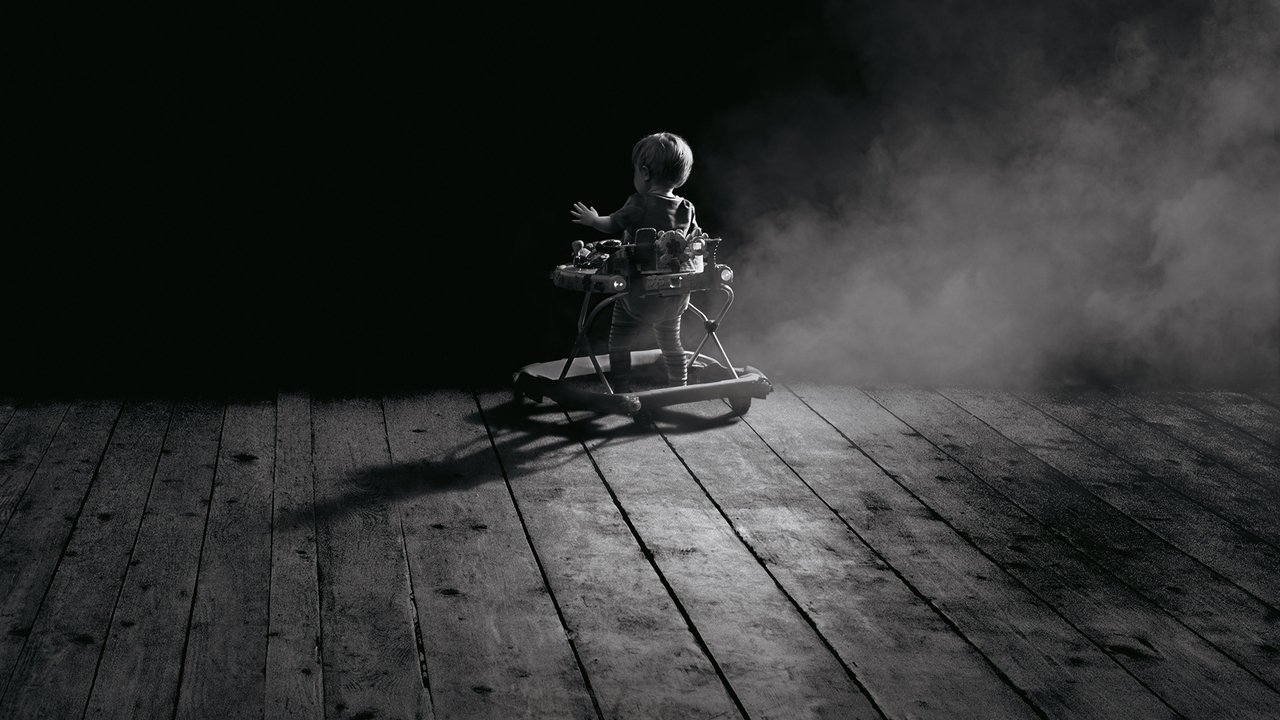
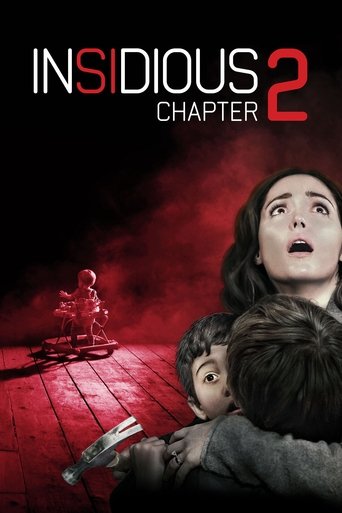
Insidious: Chapter 2 picks up right where the first film left off, plunging us back into the Lambert family's nightmare. Josh (Patrick Wilson) and Renai (Rose Byrne) struggle to cope after the harrowing events that left them haunted by malevolent spirits. Their son Dalton (Ty Simpkins) is still in danger, but it’s not just the spirits outside they need to worry about — dark secrets from Josh's childhood threaten to resurface. As Renai seeks answers, she uncovers a web of deceit that connects them to a sinister history.
The film juggles multiple timelines, using flashbacks to reveal Josh's disturbing ties to the spirit world. This backstory is both intriguing and a bit muddled; at times, it feels like too much exposition. Just when you think the film is losing its grip, it ropes us back in with genuinely scary moments, particularly as the family confronts ghosts from their past. The reliance on jump scares may frustrate horror purists, but it’s hard to deny the effectiveness of certain sequences.
A pivotal moment arrives when Renai discovers an old recording that ties her husband to a tragic incident in his childhood. This revelation not only raises the stakes but forces the characters to confront their fears head-on. The tension escalates as the family's previous trauma becomes intertwined with the supernatural threats they face. Their emotional arcs are woven with anxiety, regret, and a desperate need for resolution.
While some plot elements feel repetitive, the film manages to deliver a satisfying thrill ride. The final act ramps up the suspense, leading to a climax that feels both inevitable and surprising. What stayed with me after the credits rolled was the lingering question of whether the past can truly be escaped, a theme that resonates well beyond the genre conventions of horror.
Direction & Cinematography
James Wan returns to the director's chair for Chapter 2, bringing his signature style back to the franchise. One standout visual moment occurs when Renai begins to hear whispers in the dark, shown through a series of disorienting close-ups and shaky camera work that pulls you into her spiraling fear. This choice reflects her mental unraveling as she realizes that the threat is not just external but deeply internal as well.
What struck me most was the pacing; Wan balances slower atmospheric scenes with bursts of frantic energy. While the early parts can feel like a setup, they effectively build tension as we await the inevitable scares. The tonal shifts between horror and family drama are deftly handled, allowing moments of levity to punctuate the growing dread, though I’ll admit I didn’t expect the family interactions to feel as genuine amid the chaos.
However, the direction also stumbles occasionally. Some transitions between scenes felt abrupt, leaving me disoriented. Still, Wan’s ability to evoke emotional responses from characters amid terrifying situations shines through, particularly as the couple grapples with their unfolding reality. His focus on character connection is a refreshing element in the horror genre, often overshadowed by jump scares.
Cast & Performances
Patrick Wilson delivers a layered performance as Josh, oscillating between the caring father and a man haunted by his past. His physicality is compelling, especially in scenes where he shifts from calm to terrified within moments, like when he sees his childhood bedroom for the first time since the haunting began. However, there are times when his emotional shifts feel a bit rushed, leaving me wanting more depth in his character.
Rose Byrne’s portrayal of Renai is another highlight. There’s a sense of palpable desperation in her reaction to the supernatural occurrences, especially during a scene where she finds herself isolated and terrified in the house. Her delivery of lines feels grounded; you can feel her determination to protect her family, even as cracks begin to show in her resolve. Yet, it bothered me slightly that some of her motivations felt underexplained, leaving her character's decisions seeming a bit unearned.
As for Lin Shaye, she returns as Elise, and her moments on screen are engaging. Her character's wisdom contrasts with the chaos around her, especially in the interrogation scenes that bring a sense of weight to the supernatural elements. What surprised me most was how her presence felt like a comforting guide, despite the horror unfolding. Yet, her role feels somewhat sidelined in favor of the Lamberts, limiting her impact on the overall story.
Character Psychology
Josh wants to protect his family and rid them of the supernatural threat plaguing them. However, what he truly needs is to confront his own past—a journey he initially resists. His struggle between denial and acceptance plays a critical role in the story, particularly as he begins to realize the extent of his childhood traumas and how they affect his present.
Renai, on the other hand, seeks clarity and safety for her children, feeling increasingly isolated as the haunting escalates. She tries to piece together the mystery surrounding Josh's past, which reveals her determination to reclaim her family’s future. While both characters strive for redemption, they ultimately fail to see that their survival relies on facing not just the haunting spirits, but also their fractured relationship.
Themes & Emotional Depth
At its core, Insidious: Chapter 2 explores the dangers of unresolved trauma. The haunting is not just a physical manifestation but a reflection of the emotional baggage the Lambert family carries. The film asks whether the past can truly be exorcised, particularly through Josh's memories of his childhood and how they resurface in terrifying ways.
Family dynamics are also central to the story. The film highlights the fragility of familial bonds under pressure, especially as secrets threaten to tear them apart. The moments when characters confront their fears together illustrate how facing the darkness can lead to healing, though the journey is fraught with peril.
Memorable Scenes & Dialogue
One standout scene occurs in the early second act when Renai’s confrontation with the spirit at the dinner table leads to a chaotic outburst. The staging is claustrophobic, with tight close-ups that focus on her panic, driving home the sheer terror of the moment. The blend of sound design and tight camera angles amplifies the dread, making it one of the film's most effective scares.
Another powerful moment comes when Elise uses a series of eerie flashbacks to connect Josh's past to the present horrors. This scene works because it isn’t just about the horror elements; it deepens our understanding of Josh and the history that informs his character. By tying together the family's thread with supernatural lore, it brings emotional weight to the narrative.
The Ending — Does It Deliver?
The climax of Insidious: Chapter 2 delivers a blend of thrills and emotional stakes that mostly pays off. As the family confronts the dark entities in their home, the tension reaches a fever pitch, culminating in a confrontation that feels both shocking and earned. I wasn't expecting the layers of Josh's past to become so intertwined with the horror—the result is a finale that resonates on multiple levels.
When the film ends, you're left with a chilling sense of uncertainty. The final shot, which lingers on an unsettling image, encapsulates the theme of unresolved trauma, leaving viewers questioning what truly lurks beneath the surface. It’s a haunting conclusion that invites reflection, allowing for a lingering unease that adds to the film's overall impact.
What Works
The film effectively captures the tension between familial love and haunting trauma, particularly through Renai's emotional journey. The dinner table scene emphasizes the psychological horror woven throughout, showcasing how fear can fracture relationships. Patrick Wilson and Rose Byrne's chemistry adds depth, grounding the supernatural elements in emotional reality. The flashback sequences that connect the past and present provide a richer narrative backdrop, allowing for a more engaging experience.
Honest Criticism
The subplot involving the paranormal investigators sometimes feels underdeveloped, detracting from the main focus on the Lambert family. While these characters provide comic relief, their presence often interrupts the film’s tension rather than enhancing it. Additionally, some of the transitions between scenes can feel jarring, pulling the audience out of the emotional stakes. This sporadic focus causes the narrative to lose momentum in certain moments.
How It Compares
Insidious: Chapter 2 can be compared to other horror sequels like Paranormal Activity 2 and The Conjuring 2. While all three explore familial bonds and supernatural threats, Chapter 2 stands out with its deep dive into the protagonists’ backstories, enriching the narrative. However, it falls short in pacing compared to The Conjuring 2, which maintains a more consistent tension throughout. Insidious focuses heavily on jump scares, whereas The Conjuring manages to build suspense without relying as much on these techniques.
Legacy & Cultural Impact
Upon its release, Insidious: Chapter 2 grossed over $160 million worldwide, proving that it successfully capitalized on the original’s popularity. Critics gave it mixed reviews, with some praising its ability to delve deeper into the Lambert family’s story, while others noted the reliance on horror tropes. Nonetheless, it contributed to the ongoing conversation about psychological horror in mainstream cinema, influencing other films to explore similar themes of trauma and family.
Behind the Scenes
Initially, the role of Elise was not intended for Lin Shaye, as the production wanted a more mainstream star. However, after her standout performance in the first film, they decided to keep her. Additionally, the film features an improvised scene where Renai confronts the spirit in the kitchen, adding a genuine element to the tension. Interestingly, the budget was significantly lower than in many other horror sequels, pushing the team to focus more on story and character development rather than special effects.
Who Should Watch It?
Horror enthusiasts and fans of the original Insidious film will likely find plenty to enjoy here, especially those who appreciate character-driven narratives. However, viewers who prefer straightforward jump scares or those uninterested in character backstory may find the pacing tedious and the plot convoluted.
Final Verdict
Insidious: Chapter 2 is a solid sequel that expands upon the original's story with both thrills and emotional weight. While it suffers from occasional pacing issues and some underdeveloped subplots, the exploration of trauma and family provides a compelling foundation. For fans of horror that dives deeper than surface scares, this film is worth watching, especially given the craftsmanship behind its haunting moments.
More details, ratings, and cast information on IMDb, TMDB, Wikipedia. YouTube