- 1Movie Overview
- 2Direction & Cinematography
- 3Cast & Performances
- 4Character Psychology
- 5Themes & Emotional Depth
- 6Memorable Scenes & Dialogue
- 7The Ending — Does It Deliver?
- 8What Works
- 9Honest Criticism
- 10How It Compares
- 11Legacy & Cultural Impact
- 12Behind the Scenes
- 13Who Should Watch It?
- 14Final Verdict
- Genre: Action, Fantasy, Science Fiction
- Director: Tim Story
- Year: 2005
- Runtime: 1h 46m
- Language: English (EN)
- TMDB Rating: ⭐ 5.8/10
Movie Overview
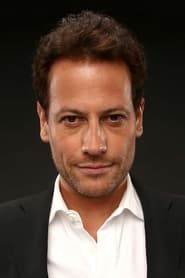
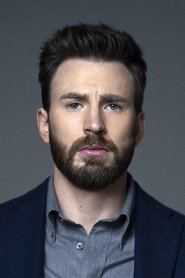
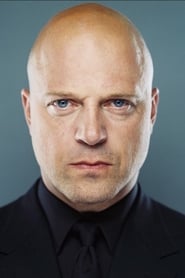
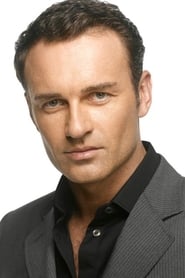
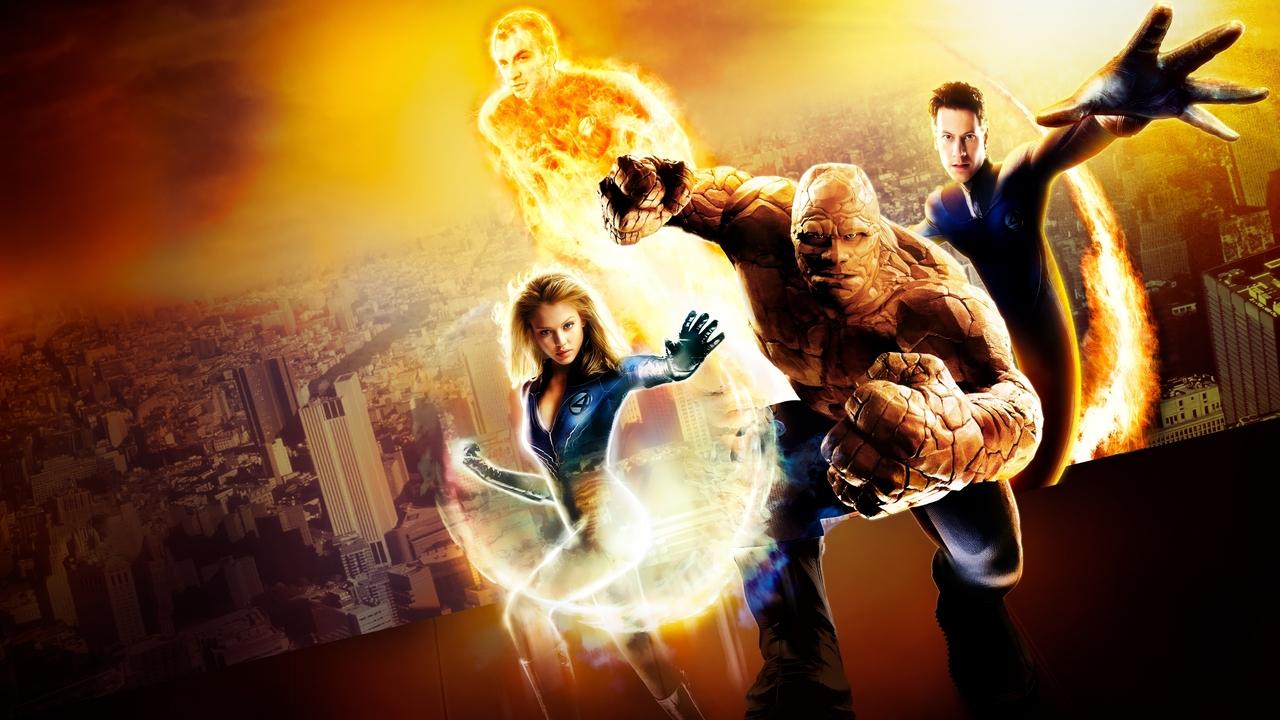
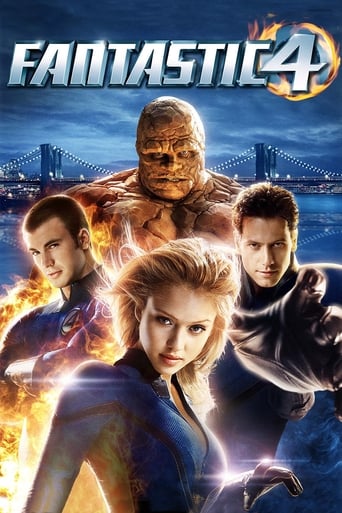
Fantastic Four begins with a cosmic event that alters the lives of four scientists. Reed Richards (Ioan Gruffudd), Sue Storm (Jessica Alba), Johnny Storm (Chris Evans), and Ben Grimm (Michael Chiklis) are exposed to cosmic rays during a space mission. As they struggle with their new powers, they must also confront Victor Von Doom (Julian McMahon), their former colleague turned malevolent adversary. The setup is promising, though I kept waiting for the film to fully embrace its potential.
The initial conflict is centered around the team's adjustment to their newfound abilities. Reed, the leader, wants to harness their powers for good, while Sue grapples with feelings of inadequacy compared to her more flamboyant brother, Johnny. Their dynamics are interesting but quickly devolve into cliché tropes that feel more obligatory than organic. The emotional stakes seem to fall flat as the movie progresses.
Halfway through, the plot loses momentum. The film shifts its focus to a series of action sequences that lack real tension. I’ll admit I didn’t expect the comedic moments, especially from Chris Evans’ Johnny, to lighten what should be a more serious narrative. But these laughs do little to advance the story, leaving it feeling episodic and disjointed instead of cohesive.
The final act rushes toward a showdown with Dr. Doom, though it eventually fizzles out without a real sense of closure or growth for its characters. What stayed with me after the credits was more of a sense of what could have been rather than what was delivered. There are hints of deeper themes, but they get lost in a barrage of special effects and action sequences that fail to resonate on a meaningful level.
Direction & Cinematography
Tim Story directs Fantastic Four, aiming for a lighthearted tone that mirrors the comic's spirit. The visual effects are hit-or-miss, especially in scenes where the team uses their powers. In one memorable moment, Ben's transformation into The Thing is shown through a slow-motion shot that emphasizes the physicality of his new form — it’s a striking visual but lacks emotional weight. The pacing often feels uneven, particularly in the middle act, where exposition drags on too long.
What struck me most was Story's decision to blend humor with action, especially in the dynamic between Johnny and Ben. Their banter adds some levity, but it often feels forced, as if the film is trying too hard to be likable. The tonal shifts might appeal to younger audiences but can come across as juvenile to those seeking a more straightforward superhero tale.
But there are moments that shine, particularly in the team's interactions. The dialogue has an easy flow, and the chemistry among the cast is palpable, especially during their lighter banter. Unfortunately, this doesn't compensate for the film’s tendency to drift into less engaging territory, leaving viewers feeling disconnected from the stakes of their battles.
Cast & Performances
Ioan Gruffudd’s Reed Richards comes across as earnest but often too serious for a character who should inspire both confidence and relatability. His struggle with leadership is evident, but sometimes he feels overshadowed by the more colorful personalities around him. Jessica Alba as Sue Storm tries to add depth to her character, but her portrayal feels limited by the script, which turns her into a typical damsel in distress more often than not.
Chris Evans shines as Johnny Storm; he fully embraces the cocky, show-off persona, bringing energy that the film desperately needs. His physicality during the action scenes, especially when he first discovers his powers, brings some much-needed life to the proceedings. However, I wasn’t expecting his character to be so one-dimensional — it bothered me slightly that he didn’t evolve beyond comic relief.
Michael Chiklis delivers a solid performance as Ben Grimm, encapsulating his character's internal struggle with humor and pathos. The transformation scenes for The Thing provide a great physical showcase for Chiklis, but the emotional weight is often undercut by the film’s tone. His moments of vulnerability are charming, yet they feel like they belong in a different, more serious movie.
Character Psychology
Reed wants to save the world, but he also craves recognition and respect as the leader of the group. He solves problems but often overlooks the emotional needs of his team, particularly Sue’s, leading to conflict. Ultimately, he fails to learn how to balance his ambitions with his responsibilities to his friends, which hinders any real growth.
Sue longs for validation but struggles to define her identity outside of Reed and Johnny. She ultimately learns to embrace her powers, but this realization feels rushed. The characters’ journeys are initiated but not fully explored, leaving them somewhat static by the end.
Themes & Emotional Depth
At its core, Fantastic Four touches on themes of belonging and acceptance, especially embodied in Ben Grimm's character. His struggle with his appearance and identity resonates, even if the film doesn’t delve deeply into it. The scene where he attempts to connect with a child who admires him showcases this theme poignantly, though it’s fleeting.
The film also hints at the dynamic between power and responsibility through Reed’s journey. However, these ideas are often overshadowed by the film's reliance on action and special effects. The deeper commentary on what it means to be heroes is lost amid the flashy visuals and comedic beats that rarely land.
Memorable Scenes & Dialogue
One standout moment is when the team first tests their powers in a hilarious training montage. The comedy, combined with effective editing, makes this scene feel lively and engaging, showcasing each character’s abilities. Unfortunately, this energy doesn’t sustain itself throughout the film.
Another memorable scene occurs when Sue uses her invisibility to save herself from danger. Her gradual acceptance of her abilities is underplayed, but her initial moment of panic feels genuine, thanks to Alba’s performance. This works well to highlight her character's arc, albeit briefly.
The climactic battle against Dr. Doom features some striking visuals, particularly where he manipulates electricity and turns it against the team. While the action is engaging, the stakes feel hollow due to the lack of real character growth leading up to this moment.
The Ending — Does It Deliver?
The film's climax, where the Fantastic Four confront Dr. Doom, feels predictable and rushed. While there are pleasant action sequences, the emotional stakes don’t feel earned due to lackluster development in the preceding acts. I kept waiting for the pivotal moment when Reed would truly unite the team, but instead, they just rush into battle without having resolved their inner conflicts.
The final scene, which tries to tie everything together, left me feeling more confused than satisfied. It wraps up despite the lack of clear character arcs, leading to a finale that doesn’t evoke the excitement or satisfaction one might expect from a superhero film. There’s a sense of potential but also a feeling that the film missed the mark.
What Works
The chemistry among the cast brings some life to Fantastic Four, especially in the playful banter between Johnny Storm and Ben Grimm. Chris Evans' energy shines through, particularly in the training montage where viewers see the characters grappling with their powers. Additionally, the visual effects, while inconsistent, offer some exciting sequences, especially during The Thing's transformation scenes, demonstrating effective practical effects.
Honest Criticism
The film’s second act drags significantly, as the subplot focusing on Sue’s romantic tension with Reed feels forced and underdeveloped. It bothered me slightly that her character often plays second fiddle to Johnny's antics and Ben's struggles, diminishing her agency and depth. This lack of focus on her arc leads to a less satisfying resolution, failing to explore her growth fully.
How It Compares
In comparison to films like Spider-Man (2002) and The Incredibles (2004), Fantastic Four fails to capture the essence of teamwork and character development. Those films manage to blend humor and emotion more seamlessly, creating stronger bonds among the characters and more impactful conflicts. While Fantastic Four has moments of charm, it ultimately falls short in its storytelling, feeling more like a collection of scenes than a cohesive narrative.
Where it does succeed is in its light-hearted take on superhero antics, which may appeal to younger viewers. However, in trying to strike a balance between comedy and action, it loses the depth that makes its peers resonate more effectively with audiences.
Legacy & Cultural Impact
Fantastic Four was not a box office disaster, grossing over $330 million worldwide, but it received mixed reviews that often criticized its script and pacing. Its influence on superhero films is notable only in the sense that it highlighted the need for better character development in adaptations. While it paved the way for sequels, which ultimately didn’t fare much better, it serves as a reminder of the challenges of translating comic book lore to screen.
The film’s reception led to a reevaluation in how future superhero films approached storytelling, emphasizing character arcs over mere spectacle. The subsequent rise of franchises like Marvel Cinematic Universe reflects this shift, utilizing deeper narratives that enhance character relationships.
Behind the Scenes
Before casting Ioan Gruffudd, the role of Reed Richards was reportedly offered to several actors, including Hugh Jackman and Ewan McGregor, who turned it down. The scene featuring Johnny Storm racing in a car was partially filmed in Los Angeles, but due to budget constraints, many action sequences had to be simplified. Additionally, the film’s initial cut was over two hours long but was trimmed down to keep audiences engaged during its theatrical run.
Who Should Watch It?
Fans of lighter superhero tales might enjoy what Fantastic Four offers, especially younger viewers looking for an entertaining spectacle. However, those who prefer deeper character development and cohesive storytelling will likely find this film lacking. It’s a mixed bag that might disappoint dedicated comic book enthusiasts.
Final Verdict
I’d say Fantastic Four is worth a watch for curious viewers, but it's far from essential. The film falters in its storytelling, leaving many characters underexplored, which undermines its potential. If you’re eager for some comic relief in a superhero setting, you might find moments to enjoy, but it’s ultimately a missed opportunity that doesn’t live up to its source material.
More details, ratings, and cast information on IMDb, TMDB, Wikipedia. YouTube