- 1Movie Overview
- 2Direction & Cinematography
- 3Cast & Performances
- 4Character Psychology
- 5Themes & Emotional Depth
- 6Memorable Scenes & Dialogue
- 7The Ending — Does It Deliver?
- 8What Works
- 9Honest Criticism
- 10How It Compares
- 11Legacy & Cultural Impact
- 12Behind the Scenes
- 13Who Should Watch It?
- 14Final Verdict
- Genre: Action, Science Fiction, Thriller
- Director: Dean Devlin
- Year: 2017
- Runtime: 1h 49m
- Language: English (EN)
- TMDB Rating: ⭐ 6.1/10
Movie Overview
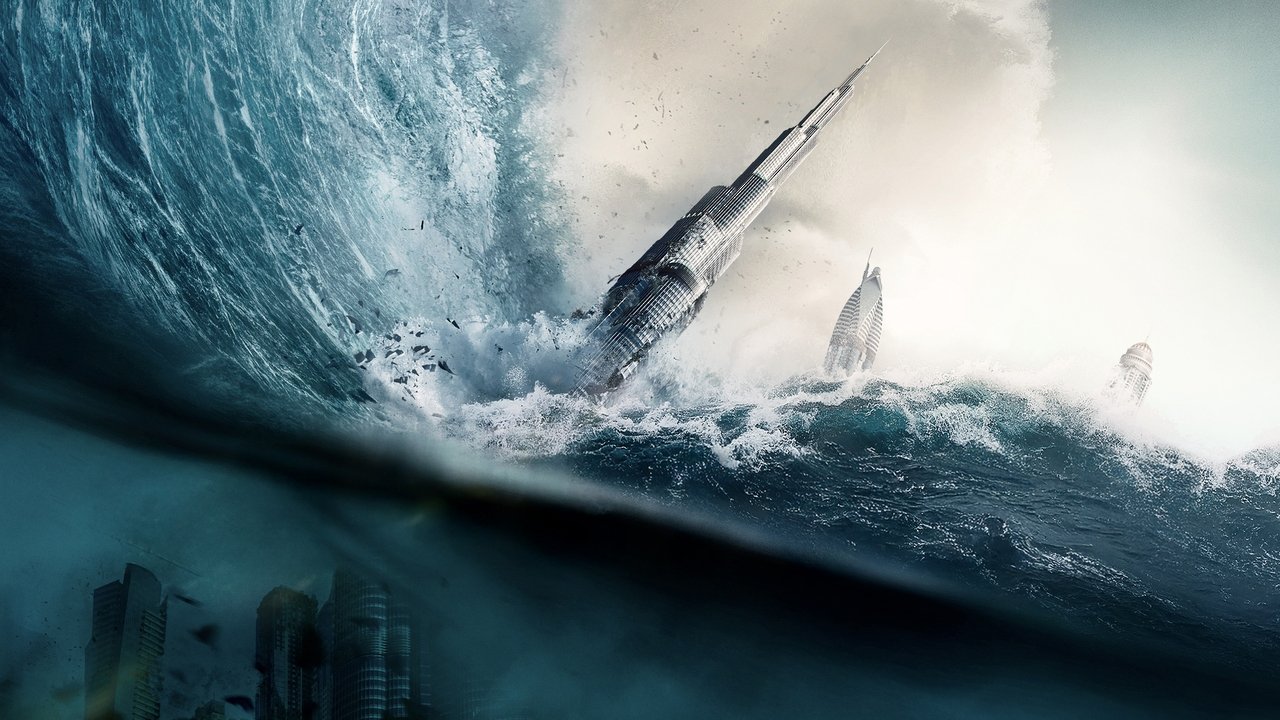
Jake Lawson (Gerard Butler) built the Dutch Boy system—a network of climate-controlling satellites—to prevent natural disasters. Three years later, he's fired by his own brother Max (Jim Sturgess) for being difficult to work with. When the system starts malfunctioning, causing targeted weather attacks, Jake gets dragged back to fix his creation. What starts as a technical problem quickly unravels into a conspiracy involving the highest levels of government. The brothers' strained relationship becomes the emotional core as they race to stop a full-scale 'geostorm' from wiping out humanity. The film moves briskly from one disaster set piece to another—a frozen Dubai, a molten Hong Kong—while the brothers uncover who's really pulling the strings. That final reveal about the Vice President's motives? I'll admit I didn't see it coming, though the execution feels rushed.
Direction & Cinematography
Dean Devlin, making his directorial debut after producing Independence Day, clearly loves large-scale destruction. The opening shot of a lightning storm over Orlando has a eerie beauty as it holds just long enough to feel ominous before the first strike hits. But the film struggles with tone—it can't decide if it's a serious thriller or a B-movie romp. The pacing lurches between tense conspiracy scenes and over-the-top action sequences. What struck me was how much better the space station scenes play compared to the Earth-bound ones. There's a claustrophobic intensity when Jake and his crew are fixing satellites while dodging malfunctioning equipment. Back on Earth, the political subplot with Ed Harris's Secretary of State feels like it's from a different, duller movie.
Cast & Performances
Gerard Butler commits fully to playing Jake as a brilliant but insufferable engineer—his constant smirk makes you believe he'd genuinely get fired from saving the world. Jim Sturgess fares worse as Max; he delivers every line like he's reading emergency instructions off a cue card. Alexandra Maria Lara brings unexpected warmth as space station colleague Ute Fassbinder, especially in a quiet moment where she recalibrates a satellite while humming to herself. Ed Harris seems to know exactly what kind of movie he's in—his late-film monologue about power plays like Shakespearean villainy filtered through a weather report. The real surprise? Andy Garcia chewing scenery as the President, managing to make 'Launch the codes!' sound both ridiculous and weirdly compelling.
Character Psychology
Jake wants to prove his system works—but what he needs is to admit he's terrible with people. His redemption comes not from fixing satellites, but from finally listening to his brother. Max, meanwhile, spends the film trying to be the responsible one, only to realize his by-the-book approach nearly got everyone killed. Their dynamic works because neither is purely right. That final handshake between them? More satisfying than any explosion.
Themes & Emotional Depth
Beneath the CGI storms, this is a film about control—both of nature and of power. The Dutch Boy system literalizes humanity's arrogance in thinking we can dominate the environment. The political conspiracy reveals how easily safety measures can be weaponized. One telling moment: when Jake bypasses protocols to manually override the satellites, it's framed as heroic recklessness rather than the security risk it would actually be.
Memorable Scenes & Dialogue
The Hong Kong street explosion stands out—a wave of heat pulses outward, turning cars into molten metal as pedestrians sprint in vain. It works because Devlin holds the wide shot just long enough to feel the scale before cutting to close-ups of panic. Another highlight: Jake's spacewalk to repair a satellite while dodging debris. Butler's muffled cursing through the helmet sells the physical stakes better than any dialogue. The worst moment? A painfully awkward romantic subplot between Max and Secret Service agent Sarah (Abbie Cornish) that culminates in a zero-chemistry kiss during a hurricane.
The Ending — Does It Deliver?
The final confrontation aboard the space station delivers the spectacle the film promises, with multiple systems failing simultaneously. Personally, I think the villain's plan makes less sense the more you think about it—sacrificing millions to prove climate control is dangerous seems counterproductive. But the practical effects during the decompression sequence are genuinely tense. That last shot of the brothers watching the sunrise feels unearned after so much destruction, but I suspect that's the point—disaster movies always want us to forget the body count.
What Works
The disaster sequences deliver exactly what you'd want—creative destruction on a global scale. Butler's gruff charisma keeps the human scenes afloat, especially when paired with Lara's grounded performance. The conspiracy twist, while ridiculous, at least tries to be more than 'the machines rebelled.' And the practical effects mixed with CGI give the space scenes welcome texture—you can feel the weight of those spinning satellites.
Honest Criticism
The Earth-bound political subplot drags every time it appears, with Sturgess and Cornish generating zero sparks. The science is laughably bad even by disaster movie standards—one scene suggests hacking a satellite with a USB drive. Worst offender: a child in peril subplot so cynically manipulative it made me groan aloud. The film's biggest flaw is forgetting that disaster movies need heart, not just spectacle.
How It Compares
Geostorm wants to be The Day After Tomorrow meets Gravity, but lacks the former's environmental urgency or the latter's technical precision. It's more enjoyable than 2012's relentless nihilism, though—at least here, characters you like might survive. The conspiracy angle recalls Armageddon, but without that film's shameless charm. Where it wins is in the brother dynamic; where it loses is in taking its silliest ideas too seriously.
Legacy & Cultural Impact
Geostorm flopped hard, earning just $221 million against a $120 million budget after extensive reshoots. Critics savaged it (15% on Rotten Tomatoes), though some later reappraised it as a guilty pleasure. It's now mostly remembered for its troubled production—test audiences hated the original cut, leading to rewritten scenes and a delayed release. The film's real legacy might be killing the big-budget disaster movie for a few years—until climate fears brought them back.
Behind the Scenes
- Danny Glover was originally cast as the President but dropped out last minute—Andy Garcia shot all his scenes in three days. 2. The space station set was so massive that actors often got lost between takes. 3. The original ending had Jake sacrificing himself; test audiences rejected it, forcing reshoots.
Who Should Watch It?
Fans of ridiculous disaster flicks will find plenty to enjoy here—it's the perfect movie to watch while folding laundry. Viewers who need coherent plots or believable science should steer clear. If you still quote 'The core is molten!' from The Core unironically, this is your jam.
Final Verdict
Geostorm isn't good, but it's often fun—a 6/10 that knows its audience. I'd recommend it for a lazy Sunday viewing with low expectations. The brother dynamic works better than it should, and the global destruction delivers the promised spectacle. But you'll forget most of it by dinner. Watch it for Butler snarling 'I built this damn thing!' as he literally punches a satellite.
More details, ratings, and cast information on IMDb, TMDB, Wikipedia. YouTube