- 1Movie Overview
- 2Direction & Cinematography
- 3Cast & Performances
- 4Character Psychology
- 5Themes & Emotional Depth
- 6Memorable Scenes & Dialogue
- 7The Ending — Does It Deliver?
- 8What Works
- 9Honest Criticism
- 10How It Compares
- 11Legacy & Cultural Impact
- 12Behind the Scenes
- 13Who Should Watch It?
- 14Final Verdict
- Genre: Action, Adventure, Animation, Comedy, Family, Science Fiction
- Director: Rich Moore
- Year: 2018
- Runtime: 1h 52m
- Language: English (EN)
- TMDB Rating: ⭐ 7.2/10
Movie Overview
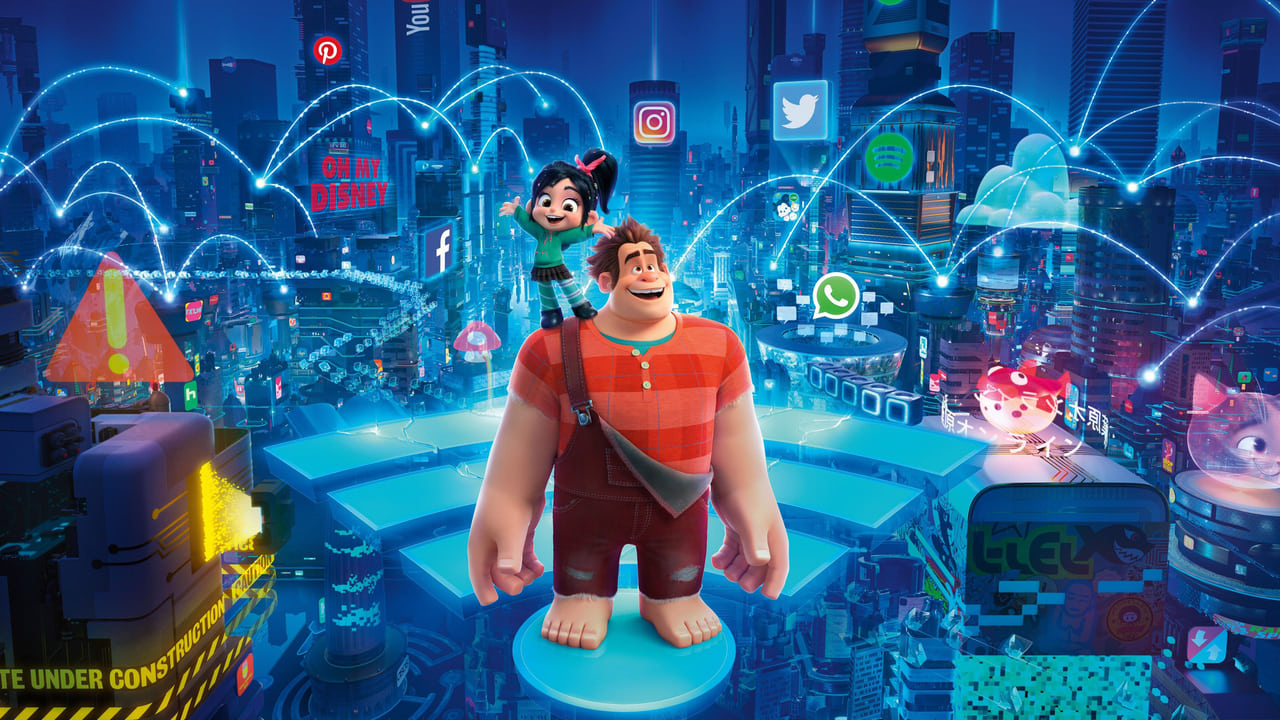
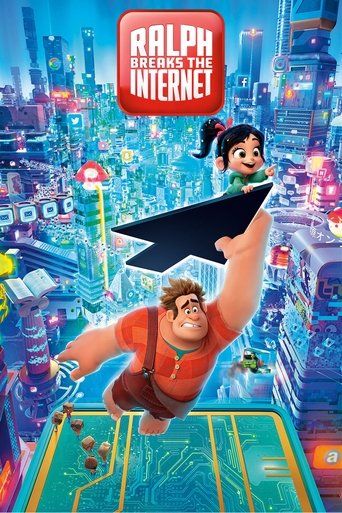
The film picks up with Ralph and Vanellope living comfortably in the arcade, but when Sugar Rush breaks its steering wheel, they must venture into the uncharted territory of the internet to buy a replacement. What starts as a simple mission quickly spirals into a chaotic adventure through pop-up ads, viral trends, and dark corners of the web. Vanellope finds herself drawn to the freedom of a gritty racing game called Slaughter Race, while Ralph's insecurities threaten to derail their friendship. The emotional core — Ralph's fear of being left behind — gives the film surprising depth amid the flashy visuals.
Direction & Cinematography
Rich Moore brings the same energetic pacing from the first film, but the scope feels overwhelming at times. The internet world is brilliantly realized — I particularly loved the visual gag of the 'spinning wheel of death' buffering symbol becoming an actual obstacle. But the film loses focus in the second act, cramming in too many concepts. Personally, I think the eBay sequence works beautifully, with its frantic bidding war and shrinking time clock creating genuine tension. The quieter moments between Ralph and Vanellope get overshadowed by the spectacle.
Cast & Performances
John C. Reilly's Ralph remains endearing, especially in scenes where his voice cracks with vulnerability — you can hear him physically holding back tears. Sarah Silverman's Vanellope gets more range this time, shifting from manic excitement to genuine introspection during her Slaughter Race audition. Gal Gadot's Shank is underused but makes an impression with just a few scenes — her laid-back line readings contrast perfectly with Vanellope's energy. What surprised me most was how well Taraji P. Henson's Yesss worked — a character that could've been annoying instead becomes the film's secret weapon.
Character Psychology
Ralph wants to keep his friendship with Vanellope exactly as it is — safe and predictable. What he needs is to confront his own fear of abandonment. The scene where he accidentally creates a viral meme of himself crying shows how his need for validation spirals out of control. Vanellope, meanwhile, realizes she's outgrown her candy-coated racing game. Her arc is about discovering what she truly wants — not just rebelling for rebellion's sake.
Themes & Emotional Depth
At its core, the film explores how relationships change when one person grows and the other resists it. The 'dark web' sequence literalizes Ralph's toxic behavior — his well-intentioned but overbearing attempts to 'protect' Vanellope nearly destroy them both. It's a surprisingly mature take for a kids' movie. The Disney princess cameo scene works because it's not just fan service — it ties into Vanellope's questioning of her own narrative role.
Memorable Scenes & Dialogue
The Disney princess scene is a standout — seeing them all in casual clothes, roasting their own tropes, feels fresh rather than cynical. Vanellope's 'A Place Called Slaughter Race' musical number lands perfectly, with its grungy animation style contrasting sharply with her usual world. The climax involving Ralph's viral clones didn't quite work for me — the emotional stakes get lost in the visual chaos.
The Ending — Does It Deliver?
The resolution feels earned thematically but rushed execution-wise. Ralph's realization about letting go lands emotionally, though I wish we'd sat with that moment longer instead of cutting to another action sequence. What stayed with me after the credits was Vanellope's final choice — it's rare to see an animated film commit to a character making such a definitive change. The ending suggests growth rather than a return to status quo.
What Works
The animation dazzles, particularly in the Slaughter Race sequences that mimic different gaming styles. The voice cast elevates the material, especially Silverman and Henson. The emotional core about evolving friendships gives weight to the spectacle. And that princess scene — it shouldn't work as well as it does, but the self-awareness feels earned rather than smug.
Honest Criticism
The film tries to do too much — the subplot with Ralph's viral fame feels tacked on and tonally jarring. Some internet jokes will date quickly (already have). The product placement, while thematically appropriate, gets distracting. And that climax with the Ralph clones goes on too long — the metaphor gets lost in the noise.
How It Compares
Compared to the original Wreck-It Ralph, this sequel has more visual invention but less narrative cohesion. It shares DNA with The Lego Movie in its pop culture saturation, but lacks that film's tight script. The internet-as-physical-world concept recalls Inside Out's mind-as-worldbuilding, though not as elegantly realized. Where it wins is in taking bigger emotional risks with its characters.
Legacy & Cultural Impact
The film grossed over $500 million worldwide and received an Oscar nomination for Best Animated Feature. While not as culturally impactful as the first film, it pushed Disney's animation into more contemporary satire. The princess scene alone sparked countless memes and discussions about Disney's evolving gender roles. It's also notable for being one of the first major studio films to directly acknowledge internet culture's absurdities.
Behind the Scenes
- The Disney princess scene was almost cut for being too meta. 2. Gal Gadot recorded her lines while pregnant, which influenced Shank's protective demeanor. 3. The 'Oh My Disney' website shown in the film was a real promotional site that existed briefly.
Who Should Watch It?
Fans of the first film will appreciate seeing these characters grow, though some may miss the arcade setting. Kids will love the visuals and humor. Adults wary of 'internet humor' in films might find it exhausting. Those looking for tight storytelling should temper expectations.
Final Verdict
Ralph Breaks the Internet is worth watching for its visual creativity and surprisingly mature themes about friendship. While messy, it takes risks most animated sequels wouldn't dare. The 8.2 rating reflects its ambition outweighing its flaws. See it for that princess scene alone — it justifies the entire film's existence.
More details, ratings, and cast information on IMDb, TMDB, Wikipedia. YouTube